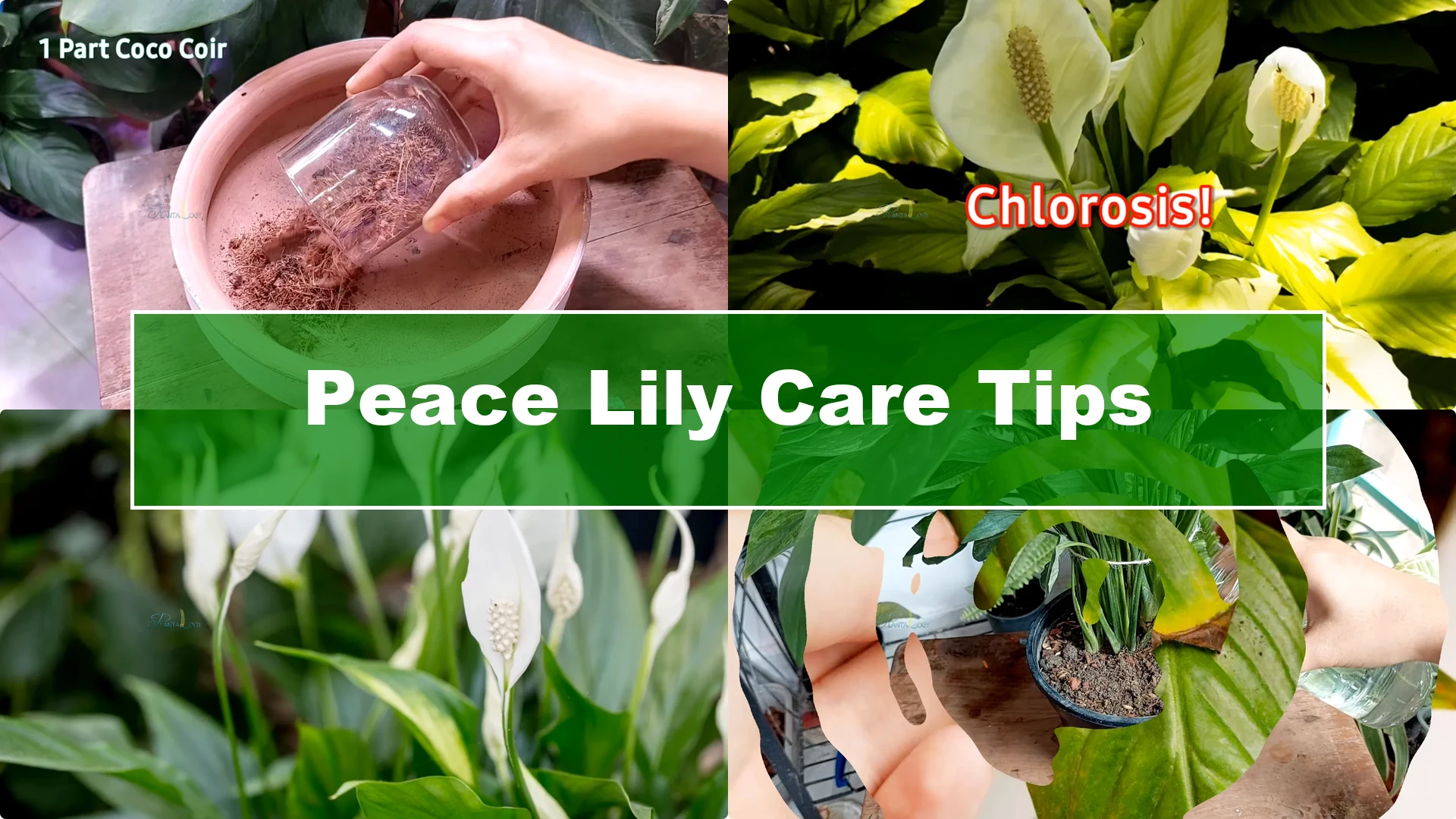
If you want to stop killing your peace lily and end up with a healthy, bushy plant, here are seven very important care tips you need to know.
1. Peace Lily Care Tips – Soil
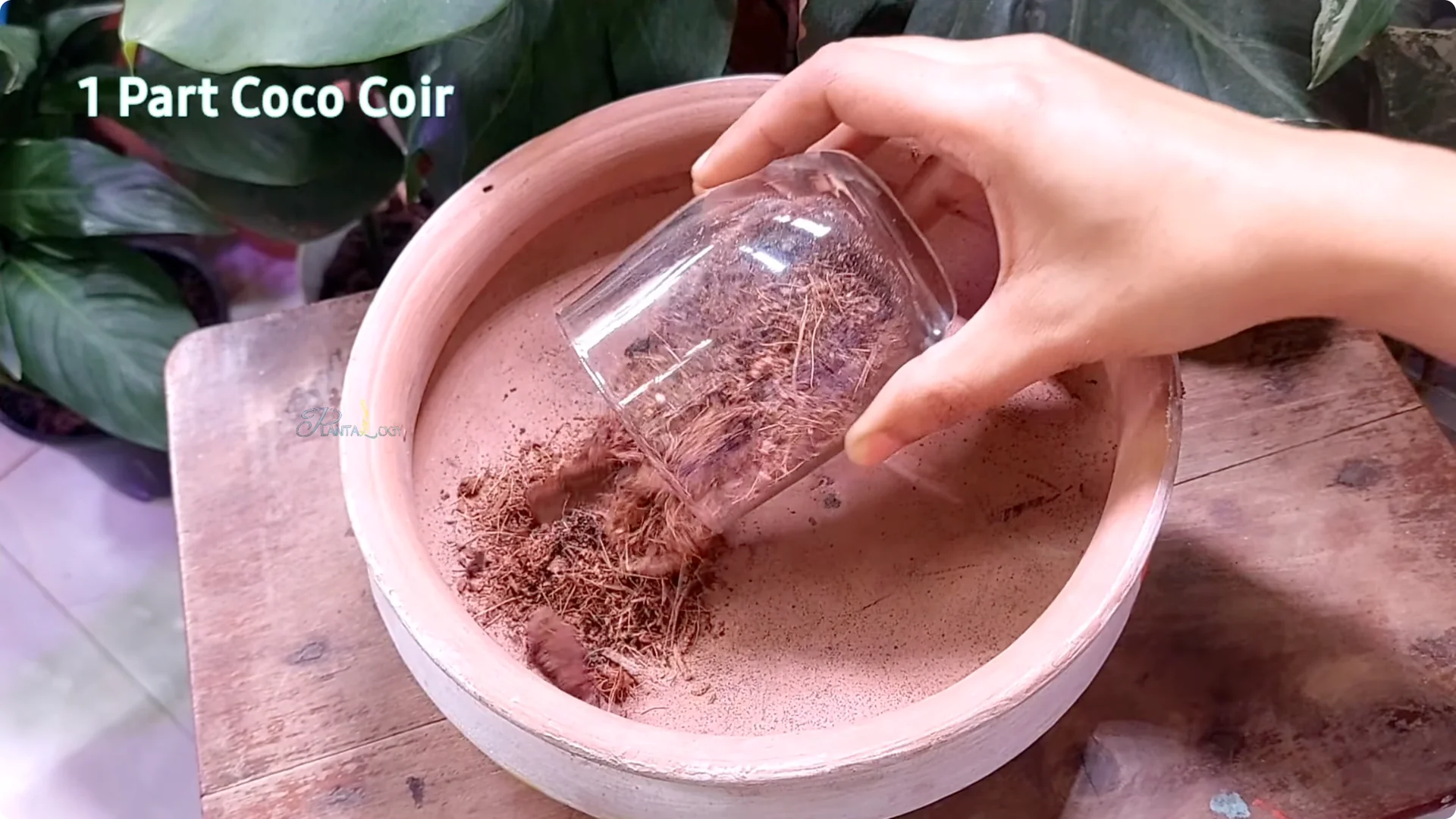
This plant prefers comparatively moisture-retentive soil, but confusing muddy and compact soil with water-retentive soil is a possible reason that causes root rot over time. The soil should be water retentive but at the same time should be arable and allow extra water to escape.
You can prepare a standard potting soil mix. Add one part coco coir or peat moss, one part orchid bark or tree bark, and one part charcoal. Add one part coarse sand or perlite and a half part of worm castings, mix them all, and it is ready to be used.
2. Peace Lily Care Tips – Nutrients and pH
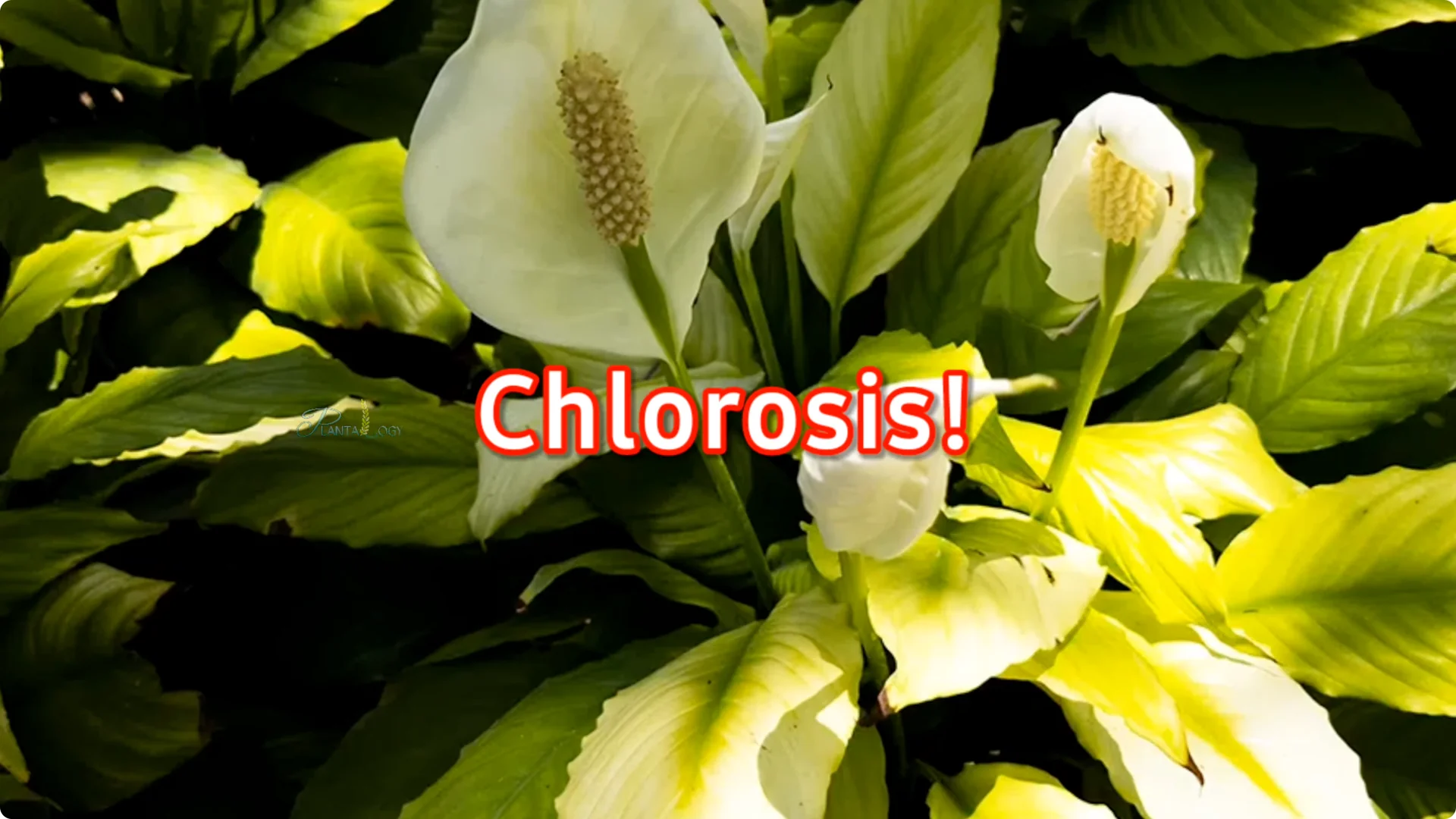
Sometimes the newer leaves look pale green or show chlorosis. It is a sign of nutrient deficiency, especially iron deficiency. This plant prefers soil pH between 5.8 to 6.5, which is slightly acidic.
If the soil turns alkaline, it hinders the plant roots from uptaking nutrients and shows several nutrient deficiencies. Long-term nutrient deficiency shows a lack of chlorophyll, which is the green pigment of the leaves, and stunts the growth. Monthly application with chelated iron or a soil acidifier can recover such problems over time.
3. Peace Lily Care Tips – Light
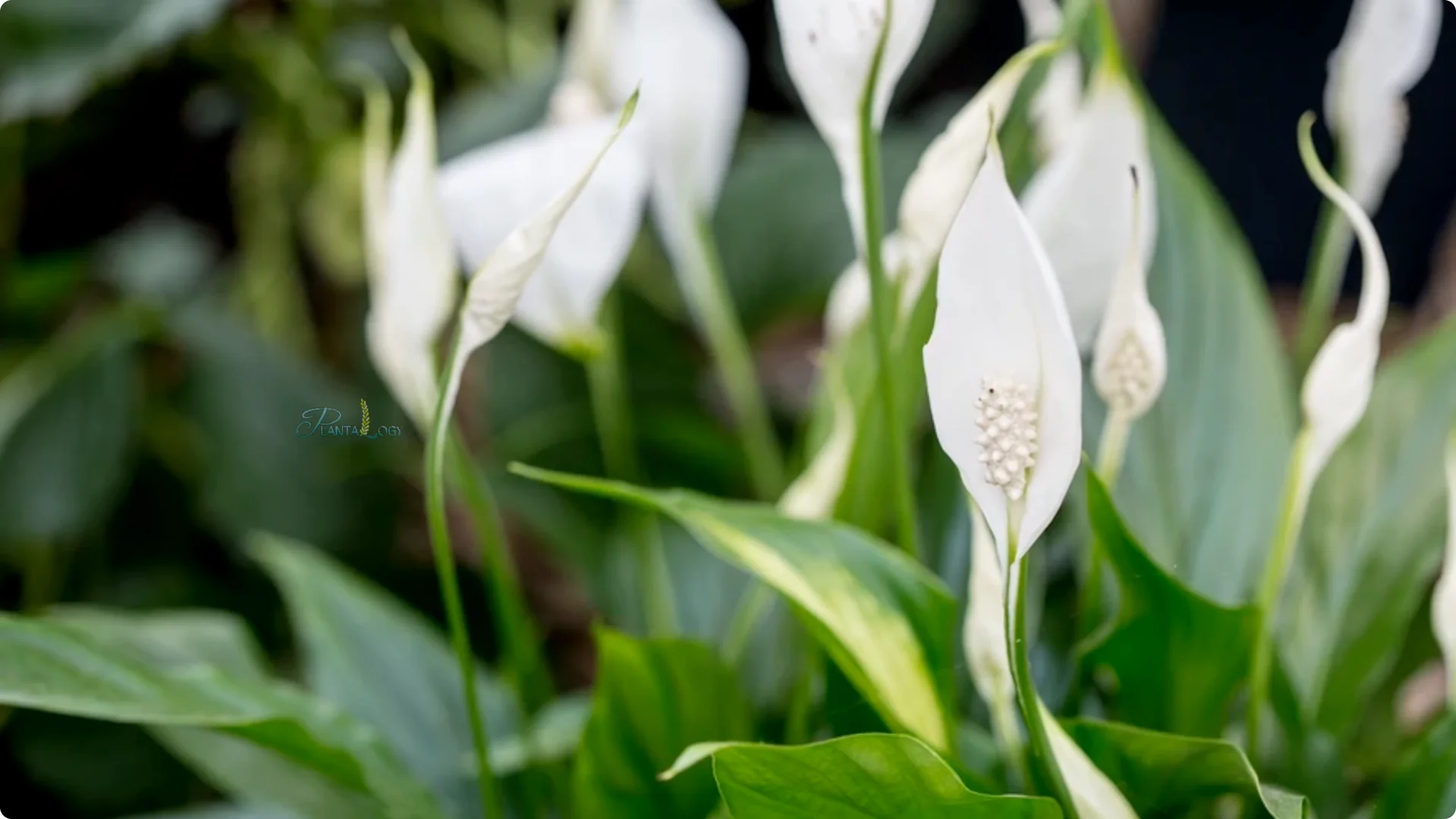
Peace lily (Spathiphyllum) is an indoor or low light plant, but it prefers low to moderate indirect light to thrive. For improved growth and to encourage the plant to bloom, 4 to 5 hours of bright indirect light is ideal.
Very low light or keeping the plant in a dark place like corners of a room or a bathroom where there is no access to light reduces the photosynthesis rate. It causes yellowing of the leaves and ultimately kills the plant. Direct sun exposure can burn the leaves, shrink the leaves, or alter the leaf color.
Ensure the peace lily is placed in a bright place and is receiving 4 to 5 hours of light, but the area is cool enough to maintain leaf moisture. However, the variegated peace lily varieties prefer extra hours of bright light compared to green or dark green types.
Read More: Essential Asparagus Fern Care Tips
4. Peace Lily Care Tips – Water Quality
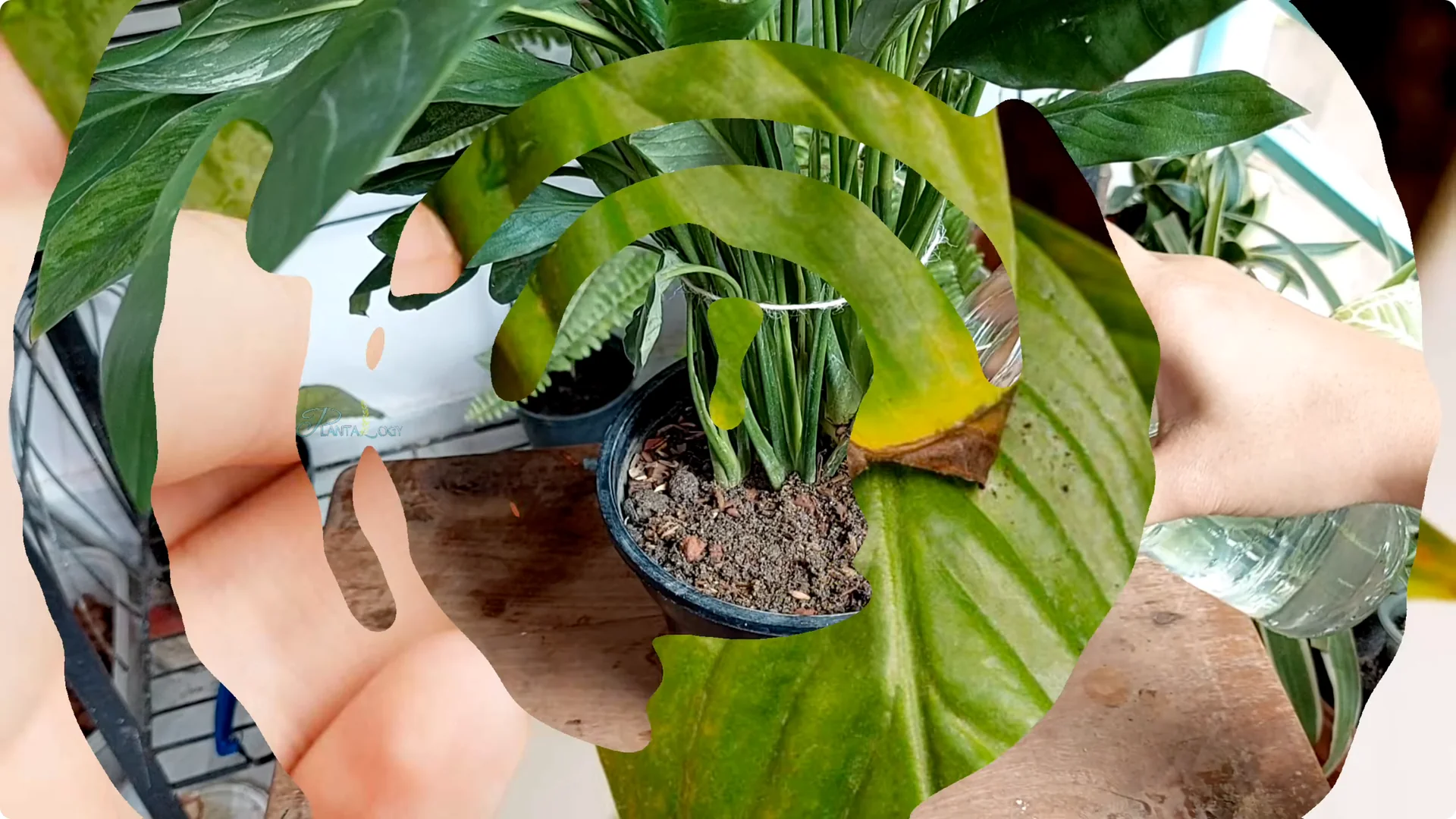
Peace lilies prefer acidic soil, so they are sensitive to salinity and mineral contamination. Their leaf tips accumulate ions of hard minerals such as chlorine and sodium, burst the cells, and cause brown leaf tips and leaf edges.
Use rainwater whenever you are watering. It also improves the leafy growth of the plant. You can use distilled water or filtered water.
Read More: Essential Tips Aloe Vera Care
5. Peace Lily Care Tips – Watering
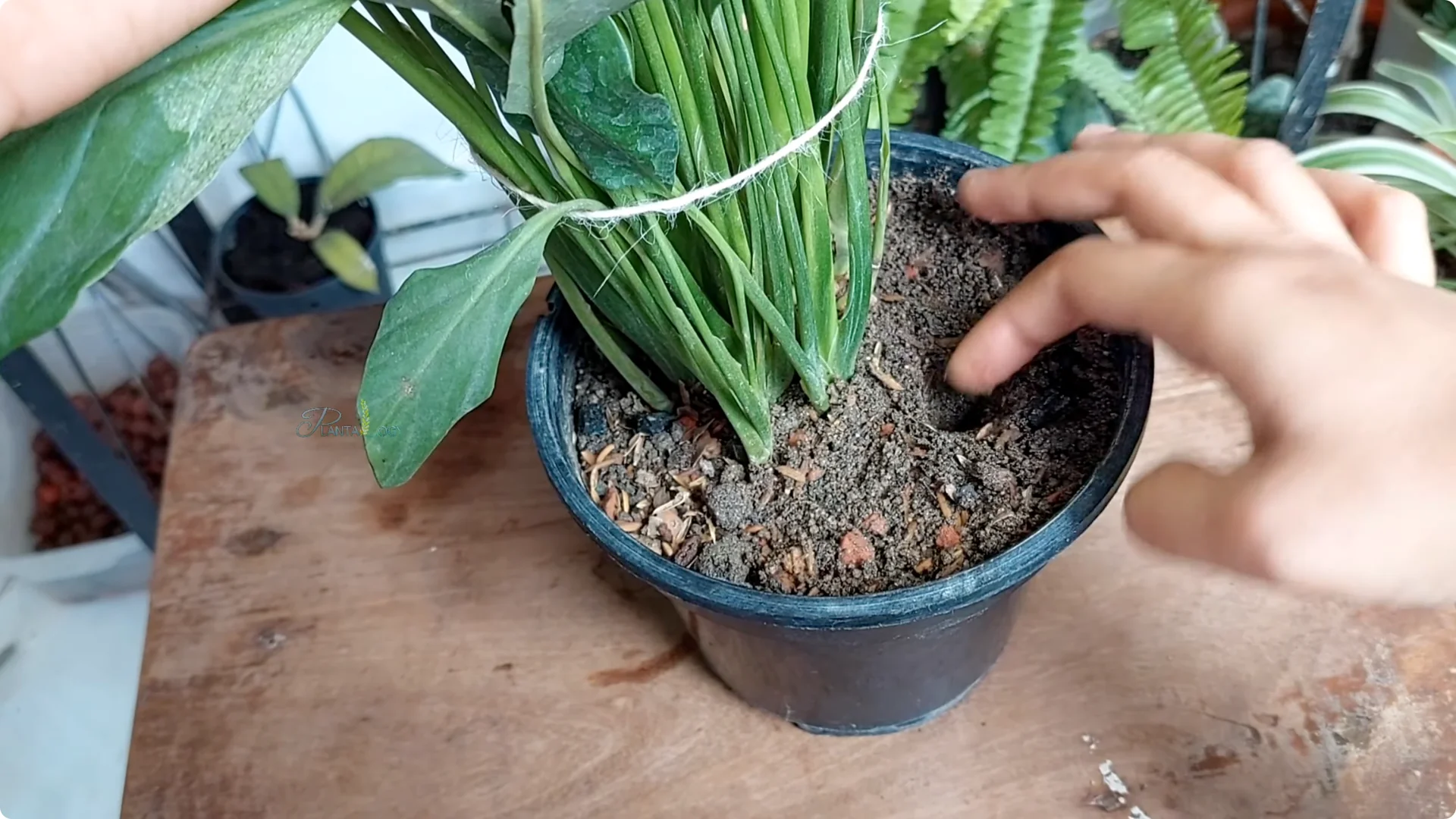
Peace lily has thick roots and they are susceptible to overwatering. Many plants die due to overwatering, which is related to compact soil or long-term soggy, saturated conditions.
Water the plant when around 60 percent of the soil feels dry. Also, the leaves wilt when a peace lily needs water. Underwatering also damages the roots and shrinks the plant base.
Maintaining an even moisture level in the soil is very important. Check the soil before watering and ensure the upper 2 to 3 inches of soil feel nearly dry before you water the plant.
6. Peace Lily Care Tips – Fertilizing
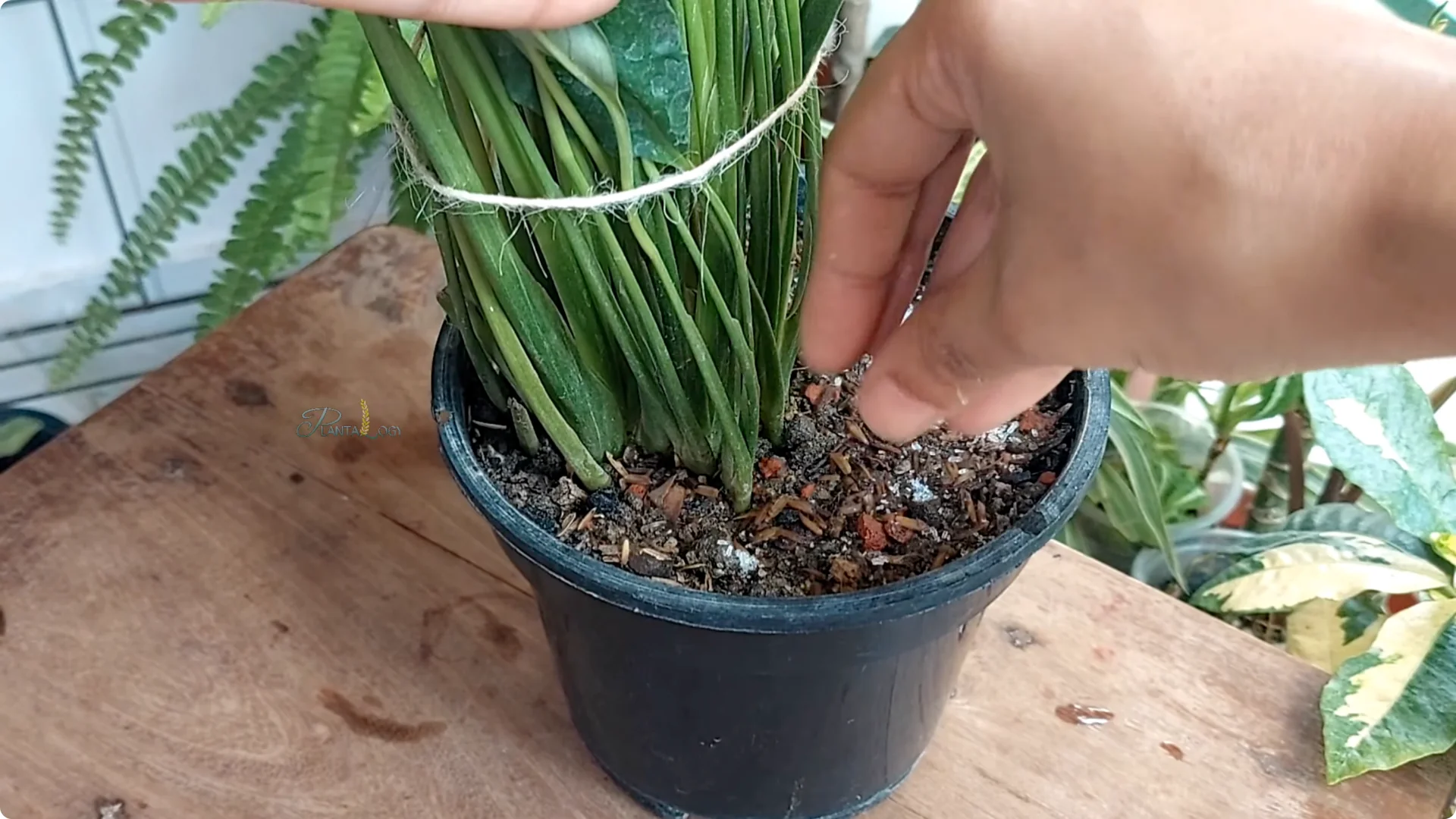
Sometimes we hurry to grow this plant fast and get a lot of blooms, and as a result we excessively fertilize. This leads to leaf yellowing, wilting, base rot, and leaf burning at the end.
To keep them healthy and produce plenty of attractive spathes, fertilize with an evenly balanced fertilizer such as 10-10-10 NPK or one that is slightly higher in nitrogen.
Read More: Revive Allamanda Plant Care Tips
7. Peace Lily Care Tips – Pests
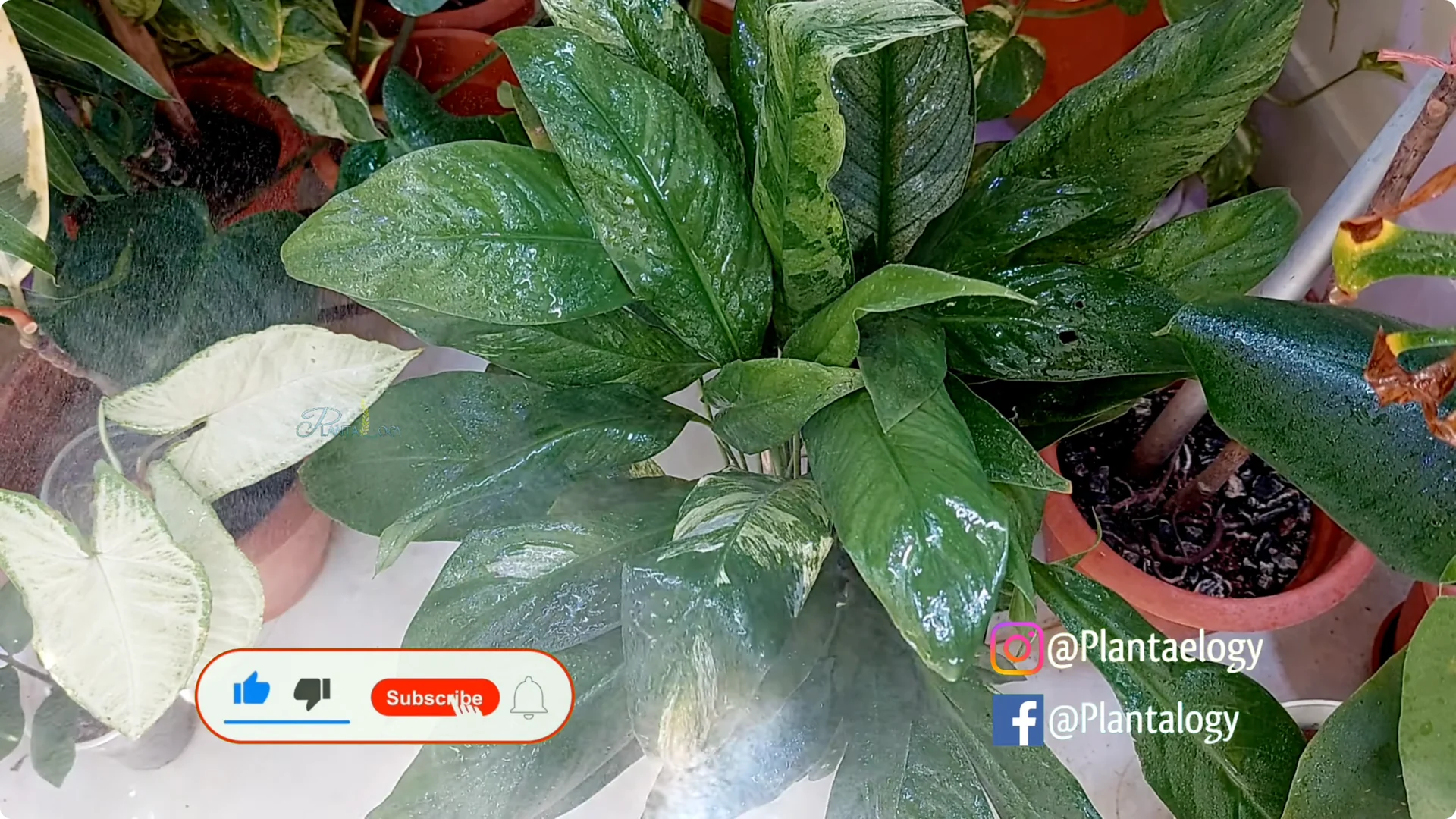
Spider mites, mealybugs, or scale insects often infest Spathiphyllum, especially when the humidity is below 30 percent. Dry air attracts spider mites, they feed on the green pigment of the leaves, stunt growth with severe infestation, and can ultimately kill the plant.
Use a miticide twice a month at the initial stage. For severe spider mite infestation, spray the solution twice a week until the population is in control. Applying neem oil twice a month also helps control other pests and diseases.
Final Thoughts
Keep the soil airy and moisture retentive, maintain a slightly acidic pH, and give bright indirect light for a few hours daily. Water with low-mineral water and aim for even moisture, feed lightly but consistently, and manage pests quickly. With these peace lily care tips, you can grow a healthy, bushy plant that blooms reliably.