

Few people realize that behind those flawless Instagram shots and cozy Etsy storefronts lies a multi-million dollar shadow industry. It is a world where your passion for plants makes you a prime target for professional scammers. We have grown accustomed to the convenience of marketplaces, but even the most reputable platforms hide traps that are easy to miss.
A mistake here is not just about losing money. It is the risk of wiping out your entire home collection with a single infested order. The most cynical part is that even experienced collectors fall for these tricks and then spend months blaming themselves for the death of a plant that was in fact dead before it was packaged.
I am going to break down 15 of the most insidious strategies used by scammers on Amazon, eBay, and other platforms. You will learn how they sell you thin air in a pretty package and how to spot death in a pot before you ever hit the buy now button. And at the end, I will reveal one word in a product description that means you should close the tab and never look back.
Online Plant Marketplace Scams
1. Mystery boxes
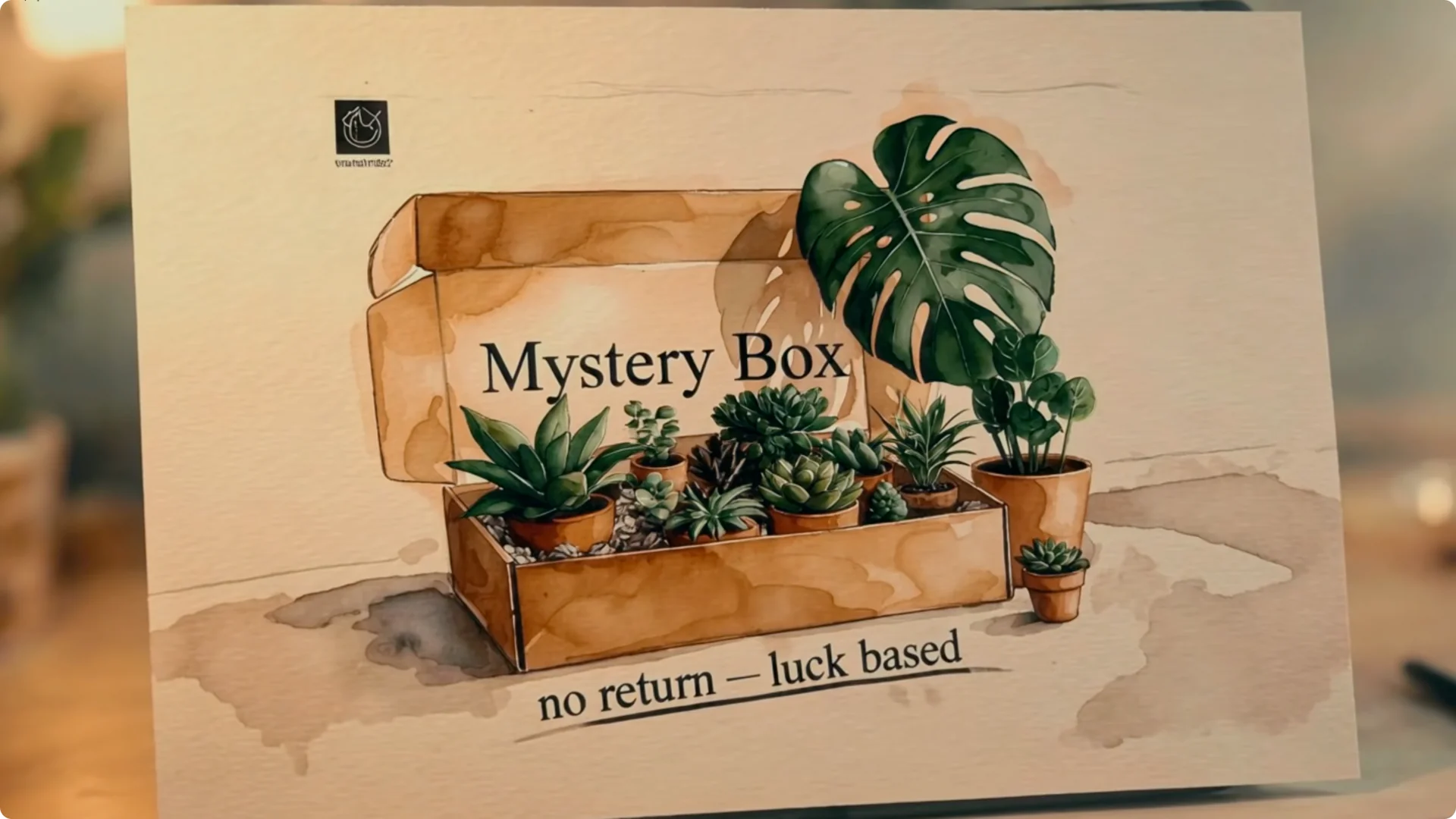
Buying a mystery box is pure gambling psychology applied to the botanical world. Sellers exploit our thrill-seeking nature and hope for a miracle, but the format is perfect for liquidating dead stock. When stock rooms fill with plants that lost their marketable appearance, cuttings with damage, or the cheapest varieties like common golden pothos, they become nearly impossible to sell individually.
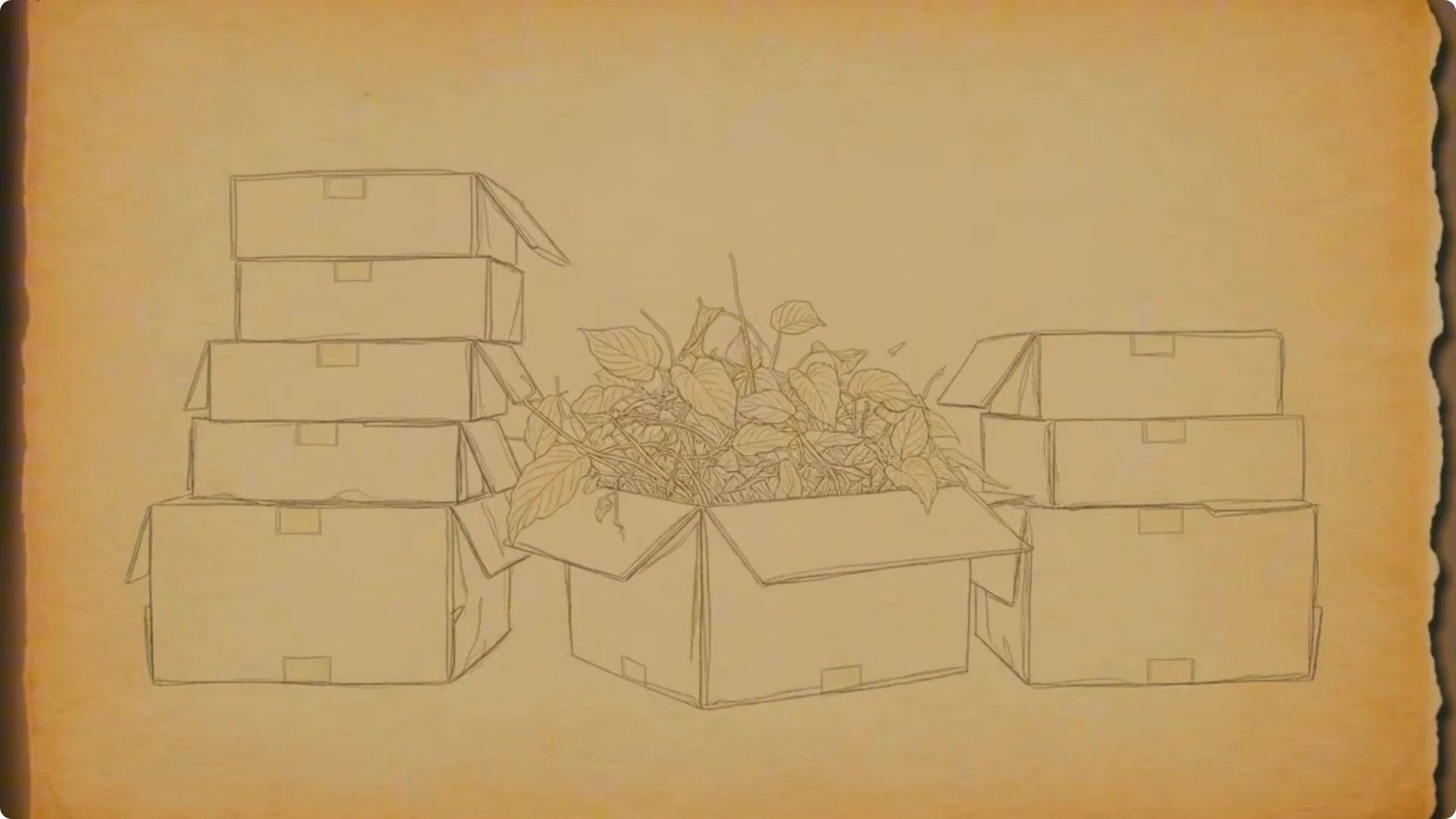
A mystery box lets a seller offload this dead weight under the guise of an exclusive surprise. The mechanics of the deception lie in manipulating value. A seller might claim contents worth $200, but they calculate this using their own inflated prices when the real market value is barely a third.
On eBay, fine print often states that mystery boxes are non-refundable because the contents are based on chance. This ties the buyer’s hands when a promised rare aroid arrives as compost. Apply the math over emotion rule to avoid paying for someone else’s trash cleanup.
How to vet a mystery box
Step 1: Ask for a general list of possible species for the specific price point. Step 2: Compare the claimed value to actual market prices in recent sold listings, not the seller’s storefront tags. Step 3: If you get vague lines about the packer’s inspiration, understand you are paying to receive what nobody else wanted.


2. Impossible seeds
Scammers offer plant seeds with physically impossible traits. Electric blue Venus flytraps, rainbow roses, neon pink cacti, and pitch black orchids are created with hyperrealistic AI imagery. These visuals are convincing enough to seduce even a discerning eye with the dream of a horticultural breakthrough.

The problem is biological impossibility. The DNA of a rose lacks genes for blue or rainbow pigments, and Venus flytraps cannot achieve such colors without lethal chemical intervention. Customers pay for packets that contain lawn grass, weed seeds, or worse, invasive species capable of devastating local ecosystems.
The disappointment hits 3 to 4 months later when seeds fail to germinate or grow into common dandelions. By then, the refund window has closed, leaving you with a wasted season. Protect yourself by looking up the Latin name and verifying the variety’s existence in international registries such as the RHS.
If a plant lacks a specific Latin name and is only labeled with descriptors like magic neon flower, it is a guaranteed scam. Keep your money and your ecosystem safe. Do not confuse wishful thinking with biology.
For help diagnosing stagnation after honest purchases, see these practical houseplant care tips for stalled growth.
3. Photo bait and switch
An Etsy listing often features a lush specimen-size Monstera albo or Philodendron Pink Princess staged in a designer studio. The seller sets a premium price that seems justified for such a mature plant. The devil sits in fine print at the bottom of the page with a line like you will receive a starter plant in a 2 inch pot or images for illustration only.

This is classic bait and switch. The buyer, dazzled by the primary photo, has already taken psychological ownership of that massive plant and instead receives a tiny starter with two immature leaves. A $150 or $200 payment turns into a plug that needs 3 to 5 years to reach the photo size, assuming it survives shipping.
To avoid this trap, look for the WYSIWYG tag and insist on a photo of the exact plant that will be packed in your box. Without confirmation that the photo depicts your specimen, the purchase becomes a lottery. The outcome is predictably disappointing.
4. Spent nodes
In rare plant cuttings, sellers push spent nodes or zombie nodes. You are sold a healthy-looking stem segment with roots, but the axillary bud where new growth should emerge is already activated or damaged. Biologically, the plant is a dead end.
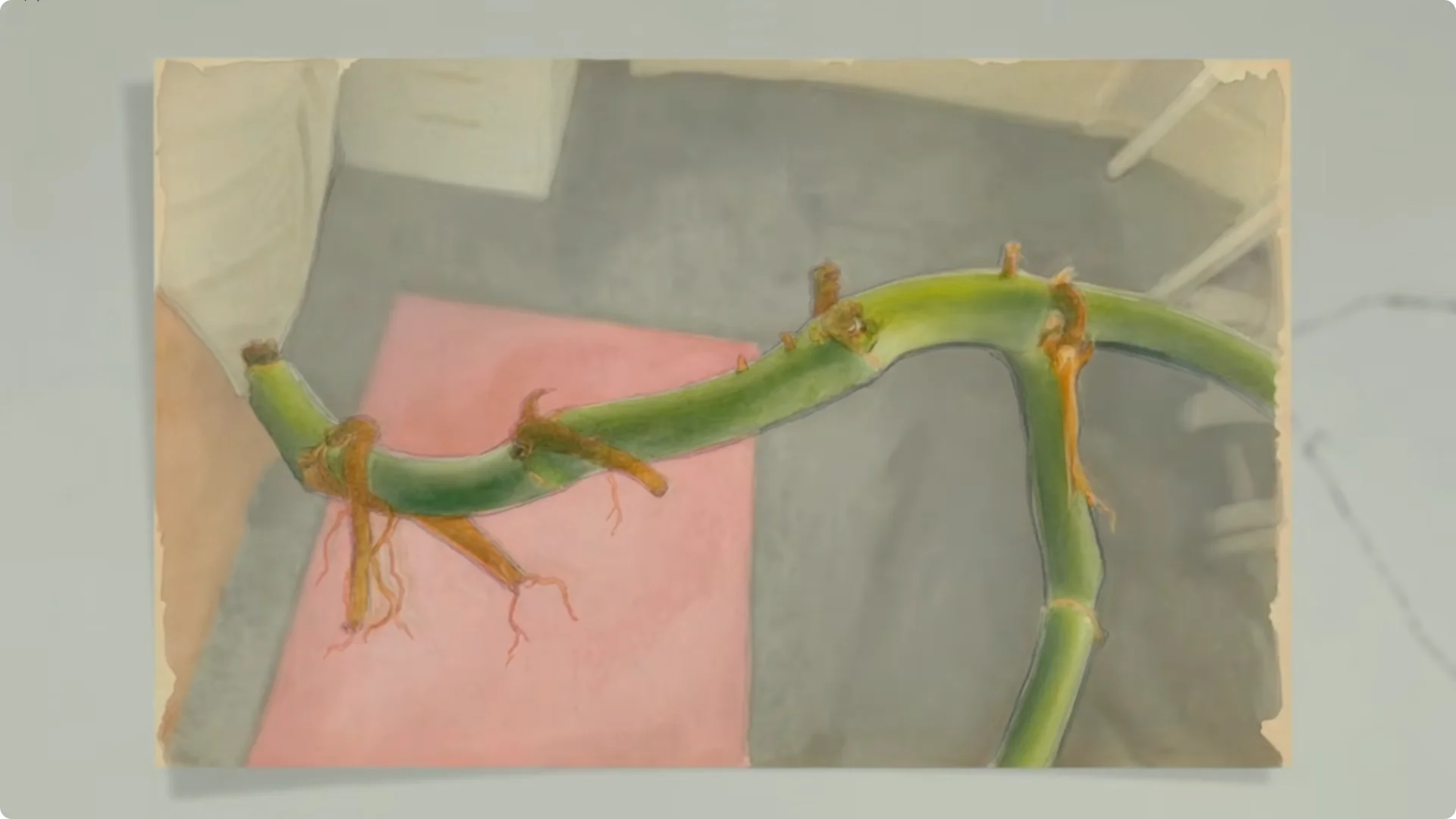
It can stay green for months and even push new roots, but it will never produce a single leaf. For the seller, it is a way to pocket hundreds from waste left after pruning a mother plant. Proving the deception on major marketplaces is difficult, which leads new buyers to blame a black thumb.
There is one real defense. Demand macro photos of the area where the growth eye should be located. A viable bud has some dimension and distinct hue, while a spent node looks like a flat, scarred mark.
If you are not confident in botanical anatomy, follow the golden rule. Only buy top cuts where the growth point is active by definition. You are paying for a future plant, so verify the future exists.
5. Leaf shine deception
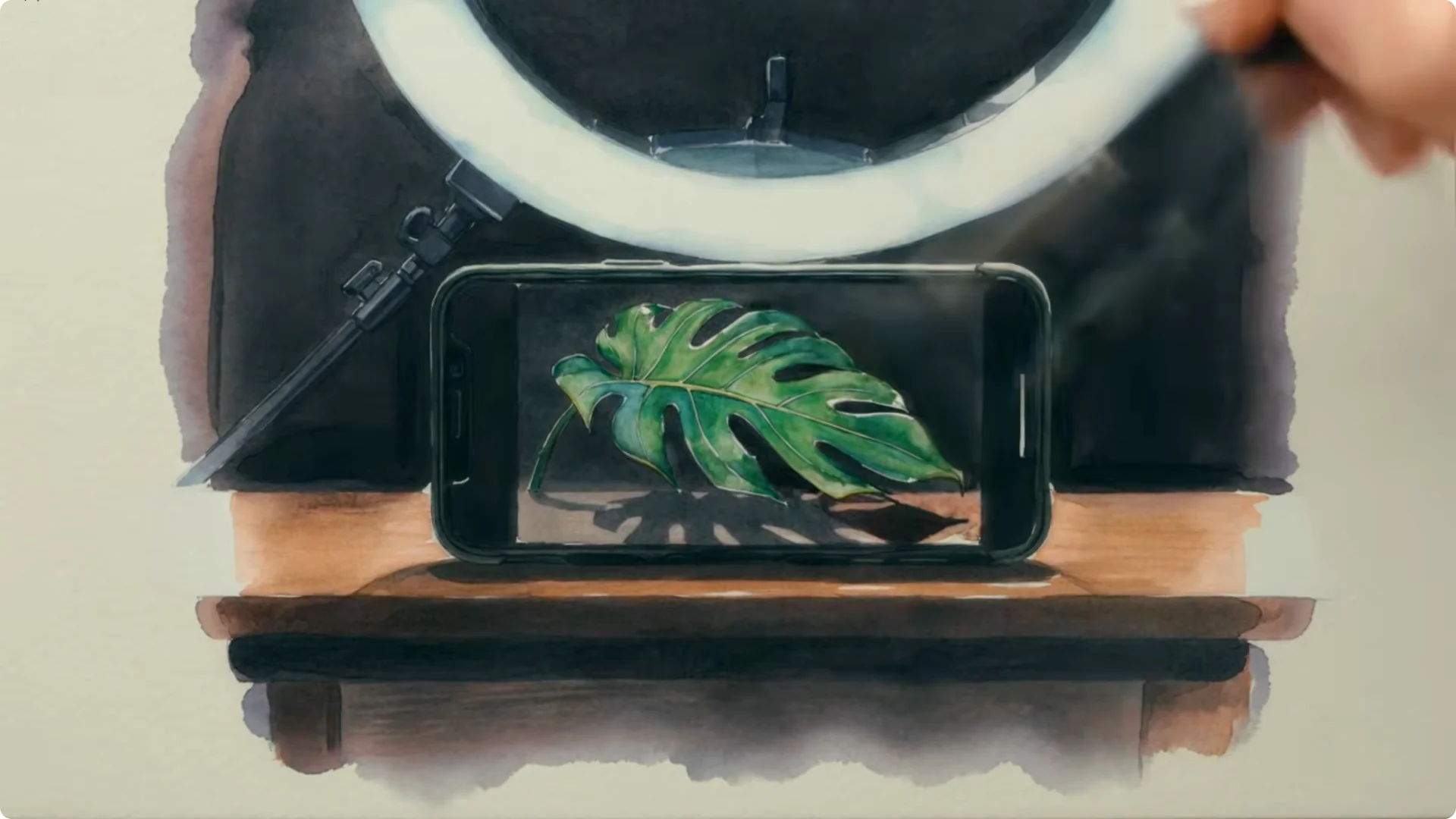
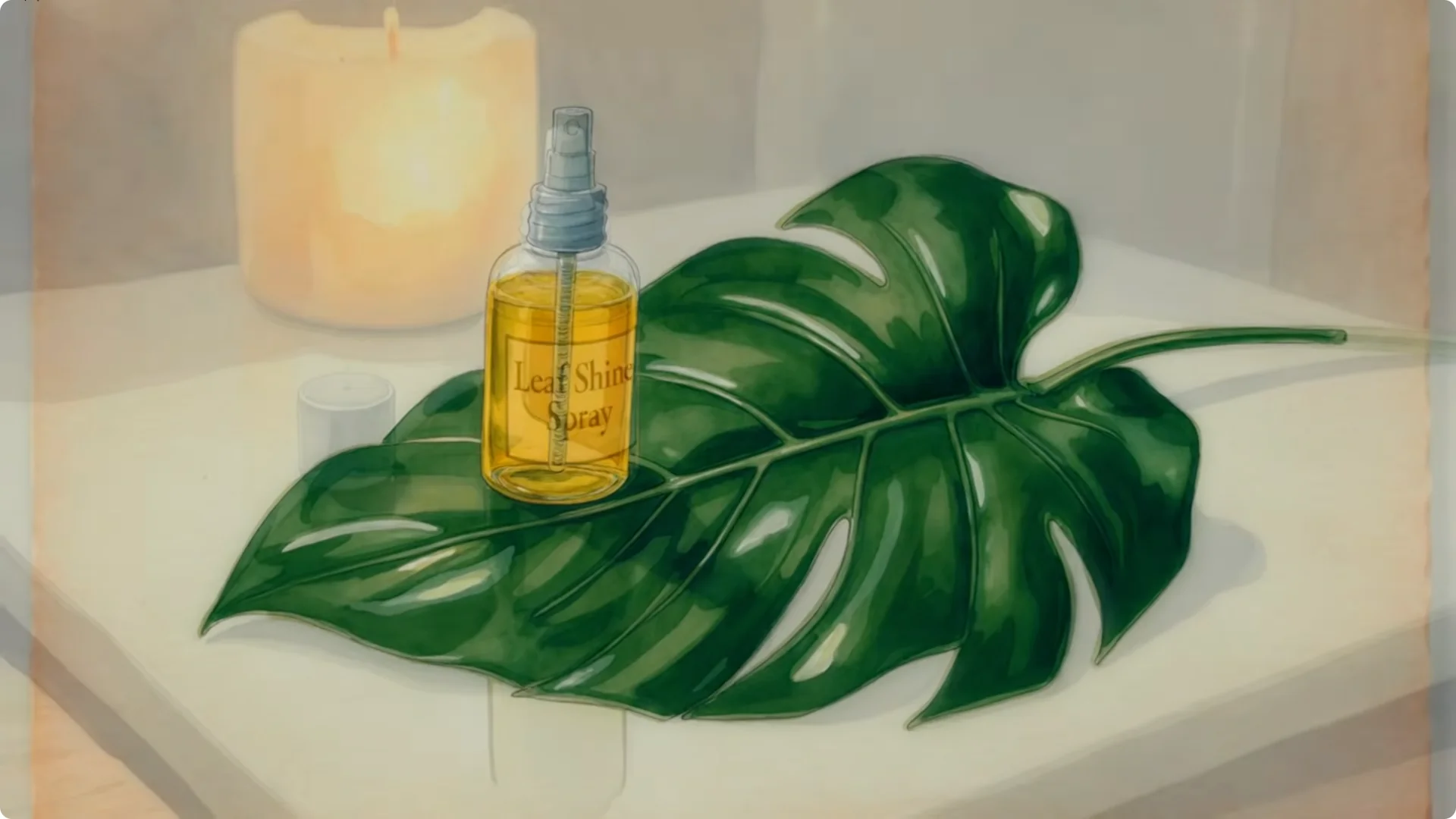
Modern cameras and lighting can hide almost any flaw, and the tool of choice is professional leaf shine. These oily formulas give plants a temporary plastic-like sheen that appears as perfect health on video. In reality, the gloss is makeup that masks sticky residue, pest punctures, and small fungal lesions.
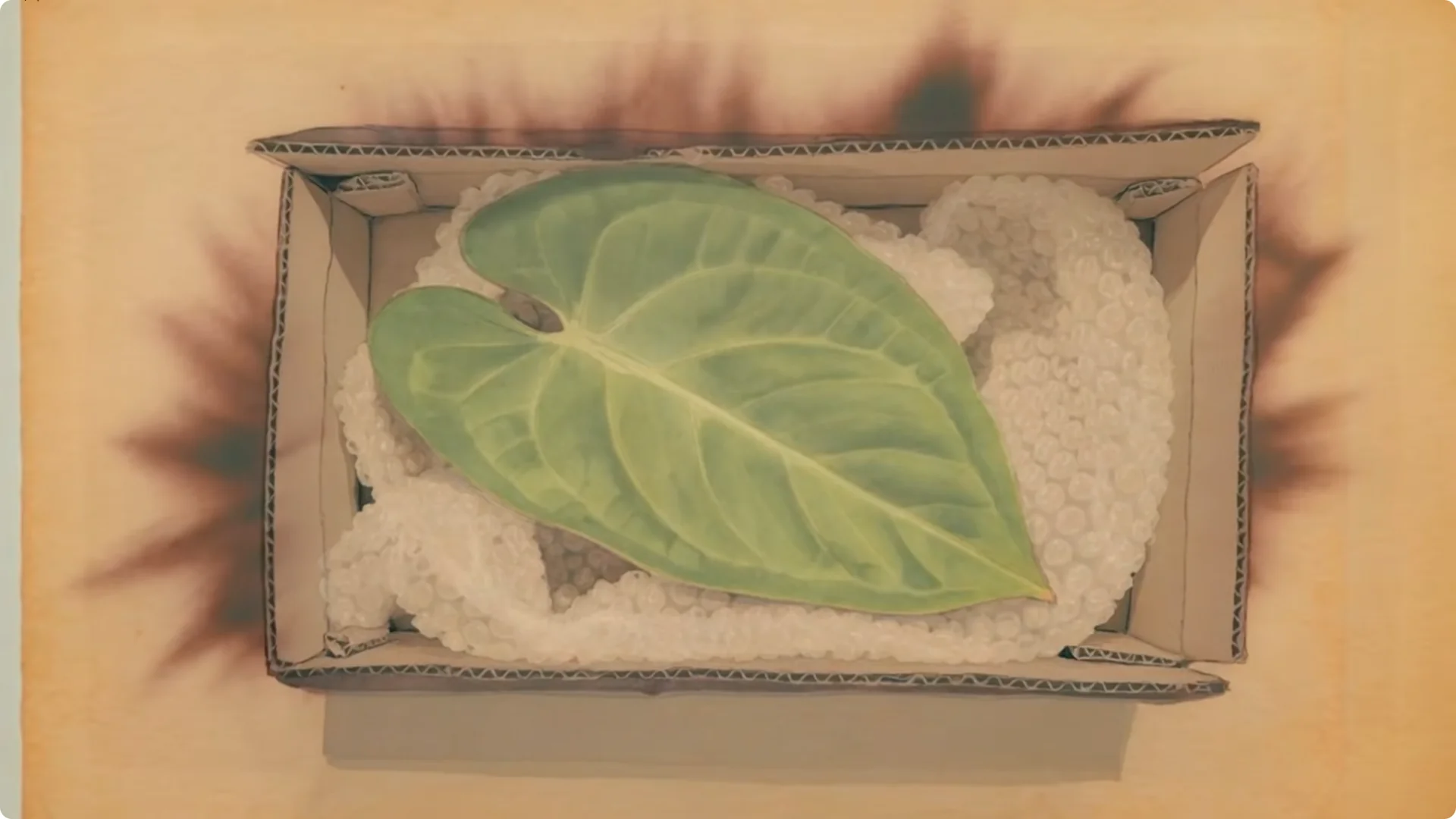
Leaf shine clogs stomata, hindering breathing and transpiration. During long dark transit, that becomes a death sentence. The buyer is not just receiving a sick plant but bringing a biological threat to the entire home collection.
Overly shiny, greasy leaves should be a red flag because a natural leaf rarely gleams like a car hood. That visual noise distracts you from life crawling in the axils. Keep a cool head at unboxing and look for pest signs, not polish.
For common stress cues and pest flags in an easy-care classic, review the signs your snake plant is giving you.
Unboxing inspection steps
Step 1: Use a flashlight and magnifier to check leaf undersides and axils for thrips, mealybugs, and spider mites. Step 2: If leaves feel oily, isolate the plant immediately and begin quarantine in a separate room. Step 3: Observe daily for movement, honeydew, webbing, and stippling before introducing it to your collection.

6. Marketing name manipulation
This is an elegant way to drain a wallet. Dishonest sellers avoid precise botanical names and replace them with flashy epithets like ultra rare neon dragon philodendron or exotic silver queen. The names often mask common, dirt-cheap varieties rebranded with a fancy backstory.
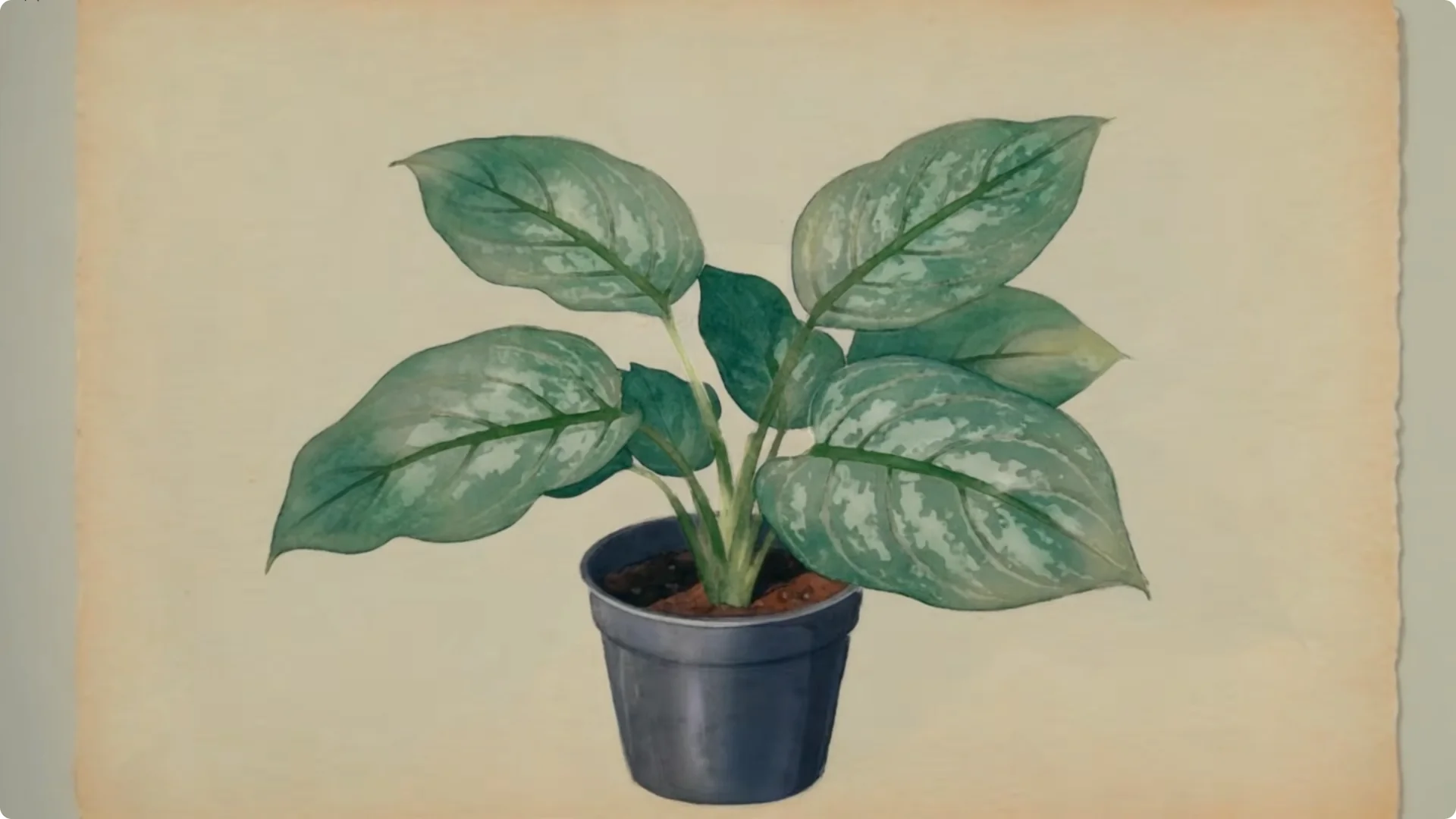
It plays on the human desire for exclusivity. The same plant might be sitting at a local hardware store for $10 to $15 while a scammer lists it at $80 to $100 with stories of limited runs. If a listing lacks Latin species and cultivar names, relying on buzzwords, it is a massive red flag.
The sting is not just financial but personal when you find that neon dragon on a clearance shelf. Use Google Lens or reverse image search to dispel the magic. The truth is usually in the grocery aisle.
7. Tissue culture shortcuts
Tissue culture has made rare species accessible, and it also created a new deception. Sellers buy sterile flasks of tiny plantlets and, instead of a careful deflasking and acclimation process, shove them into moss and market them as established starters. These plantlets are used to 100 percent humidity and sterile conditions.
When moved to typical home air, they experience climate shock. Within 24 to 48 hours, a plantlet can melt into brown mush. Buyers blame themselves for watering or lighting errors, but the truth is these TC plantlets had almost no chance without specialized acclimation.
You can spot them by thin, translucent stems and leaves and a size too small for the price. Sellers rarely admit a plant just left the flask. Ask directly about the acclimation period and walk away if it has been less than a month.
8. Hidden root rot
The root system is the foundation of a plant’s life, and it is the easiest part to hide. In large nurseries, automated irrigation often causes overwatering, turning roots to black mush. An honest seller discards such a specimen, but a scammer trims the rot, sticks the plant into dry soil, and ships immediately.
On arrival, leaves still maintain turgor using stored resources, so everything looks perfect on camera. A week later, rot travels up the stem and the plant collapses. The seller responds with a script about a healthy plant shipped in dry soil and blames your care.
The only protection is documentation. Film the unboxing and inspect roots and soil smell within minutes of receiving the package. Without this, proving deception is almost impossible.
Root check on arrival
Step 1: Remove the pot gently and photograph roots in good light. Healthy roots are firm and tan to white, not black, squishy, or foul-smelling. Step 2: If rot is present, stop watering, prune to healthy tissue, and record every step on video for your claim.
9. Review farms
A five-star rating can be the product of a review farm, not great service. Agencies churn out hundreds of glowing comments using bots or compromised accounts with real histories. These profiles lull newcomers into a false sense of safety.
Look for repetitive photos that seem overly professional or obviously lifted from social media. If dozens of ecstatic reviews appear within 24 to 48 hours, that is likely a purchased boost. Formulaic language with exclamation points and no details about roots or packaging is another tell.
The most reliable way to pierce the wall is to search independent subreddits and specialist forums. Genuine collectors flag unscrupulous sellers fast. Their honest reviews are worth more than a hundred purchased stars.
10. Greenhouse illusions
Many sellers offer plants grown in pristine greenhouse conditions. Humidity sits around 90 percent, misting is automated, and lighting is perfectly balanced across the spectrum. Listings often carry easy care or perfect for beginners labels that appeal to new growers.
Once moved to a standard apartment, especially in heating season in the US or Europe where humidity rarely exceeds 40 percent, the plant experiences massive shock. A plant acclimated to the humid jungles of Florida or Thailand may drop leaves or stop growing in a living room in Chicago or London. Even with careful watering, decline continues because the environment changed.
To avoid this trap, assess your space honestly and ask if the plant has undergone home acclimation. If it has spent life under an industrial humidifier, be prepared to recreate that microclimate. That commitment is far from easy care.
If speed is your goal for a forgiving palm, learn how to grow areca palm plants fast with conditions you can actually maintain.
11. Winter heat packs
Winter logistics is a niche of manipulation built on a false sense of security. Stores push heat packs for $10 to $15, promising survival of heat-loving species in subzero temperatures. In reality, these warmers often cause the demise.
Sellers fail to activate the pack or tape it against leaves, causing thermal burns that show as black rot. The biggest flaw is shipping in thin cardboard without insulation, which turns the pack into an ice brick within an hour. The heat pack then becomes a tool to deflect blame onto the courier.
Adopt the winter embargo. Postpone purchases until temperatures are consistently above freezing. Paying for an illusion of safety only to receive a frostbitten herbarium is not worth the refund fight.
12. Legal disclaimers
Many Etsy and eBay sellers add lines like we are not responsible for transit damage. This legal bluff discourages buyers from disputing damaged goods. They shift blame onto USPS or FedEx and claim responsibility ends at drop-off.
Buyer protection policies on major marketplaces take precedence over any individual shop terms. Under trade rules and platform regulations, the sender must ensure the item arrives safely. If a plant was poorly secured and turned into salad during normal transit, that is the shop’s fault.
Do not let aggressive disclaimers strip your right to compensation. Distinguish logistical damage if the box is crushed from seller negligence if the box is intact but the plant rattled inside. Take screenshots of the description and dispute unusable items due to poor packaging.
How to dispute effectively
Step 1: Open a support ticket on the platform immediately with your uncut unboxing video and photos of the intact label, internal packing, and root condition. Step 2: Attach screenshots of the original listing, price, and any misleading terms. Step 3: State clearly if the damage stems from loose packing versus courier crushing to align your claim with policy.
13. Illegal dropshipping
You find a rare monstera listed as shipping from Florida or Amsterdam. After checkout, the tracking shows a pickup in Thailand, Indonesia, or Vietnam. The seller is a middleman without the plant or the phytosanitary certificates required for import.
In most cases, such shipments are seized and destroyed by customs as illegal biological material. Your loss is twofold, money gone and a government notice about import violations. The seller then deletes the account or blames force majeure.
Protect yourself by checking delivery times. If a domestic item shows a 3 to 4 week estimate, it almost certainly flies across an ocean without legal authorization. Legitimate importers highlight permits and never obscure origin.
14. Misused established
In the high-end aroid market, listings scream established plant in bold. To any grower, that means a mature plant with a well-developed root system adjusted to its substrate. Instead, you find a fresh cutting snipped minutes before packing.
Rooting rare, finicky species is a 50 50 gamble even for professionals. This tactic offloads all biological risk onto you and sells the hope of a plant for the price of a specimen. A novice without sphagnum, perlite, or rooting hormones watches an expensive purchase dissolve into a rotten stick.
If a price seems low for a rare species, read the fine print. Look for freshly cut or unrooted. When in doubt, insist on a clear photo of the root system outside the pot and pay less for unrooted material.
15. Artificial scarcity
Ecommerce interfaces bombard you with countdown timers, only one left badges, and popups claiming 15 people have this in their cart. These triggers manufacture artificial scarcity and stir FOMO to drive impulsive buys. In that state, shoppers skip reviews, price checks, and shipping terms.
Often it is a script that refills the last one as soon as it sells. Sellers build a frenzy around ordinary plants to justify inflated prices. The regret of paying double under manufactured panic tends to arrive after the charge clears.
The best defense is cold calculation. If you see a last chance warning, close the tab and come back in 15 minutes. The plant will likely still be there, and your head will be clear enough to spot the red flags.
Golden rules
Your protection begins before you hit buy and continues for weeks after the package arrives. First, always film an uncut unboxing in one continuous shot, starting with a clear view of the intact shipping label and ending with a root inspection. This is your strongest evidence in any dispute.
Second, use protected payment systems such as PayPal goods and services. Never agree to friends and family transfers or direct bank wires. Do not let a seller’s excuses push you into unprotected payment.
Third, every new plant must go into strict quarantine for at least two weeks in a separate room. This protects your main collection from pests that hitchhiked through transit. Be methodical and patient.
Never be too lazy to double-check Latin species names and research real characteristics. Rainbow roses and blue Venus flytraps do not exist in nature. Trust botany, not filters.
The one word to avoid
There is one absolute red flag in a product description. The word is similar or representative. If you are buying an expensive, rare plant and see you will receive a plant similar to the one in the photo, you are forfeiting your rights.
A scammer shows a perfect specimen and ships a sickly cutting, claiming they are similar. A reputable seller in the rare plant market uses the WYSIWYG tag and shows the exact specimen you are buying. If you are offered something similar for hundreds of dollars, close the tab.
Final thoughts on Online Plant Marketplace Scams
This industry thrives on haste, heightened emotions, and gaps in basic biology. Scammers in the plant market have become true professionals using AI imagery, psychological tactics, and marketplace loopholes. Stay vigilant, trust facts over glossy filters, and your indoor jungle will flourish, rewarding you with every new leaf.
If your plants slow down after honest purchases and you want a clear path forward, explore focused houseplant growth tips and watch for the subtle signals your snake plant sends. For targeted growth on a forgiving species, you can also learn to grow areca palm plants fast without risky shortcuts.