
Walk past any small garden right now and I guarantee you’ll see at least three of these. Not ugly plants, not bad soil. Simple decisions, the kind that seemed totally fine at the time.
We are counting them down from least damaging to the one that quietly kills the whole yard. By the end, you’ll never look at a small garden the same way.
10. Small Garden Design Mistakes with Pots and Containers
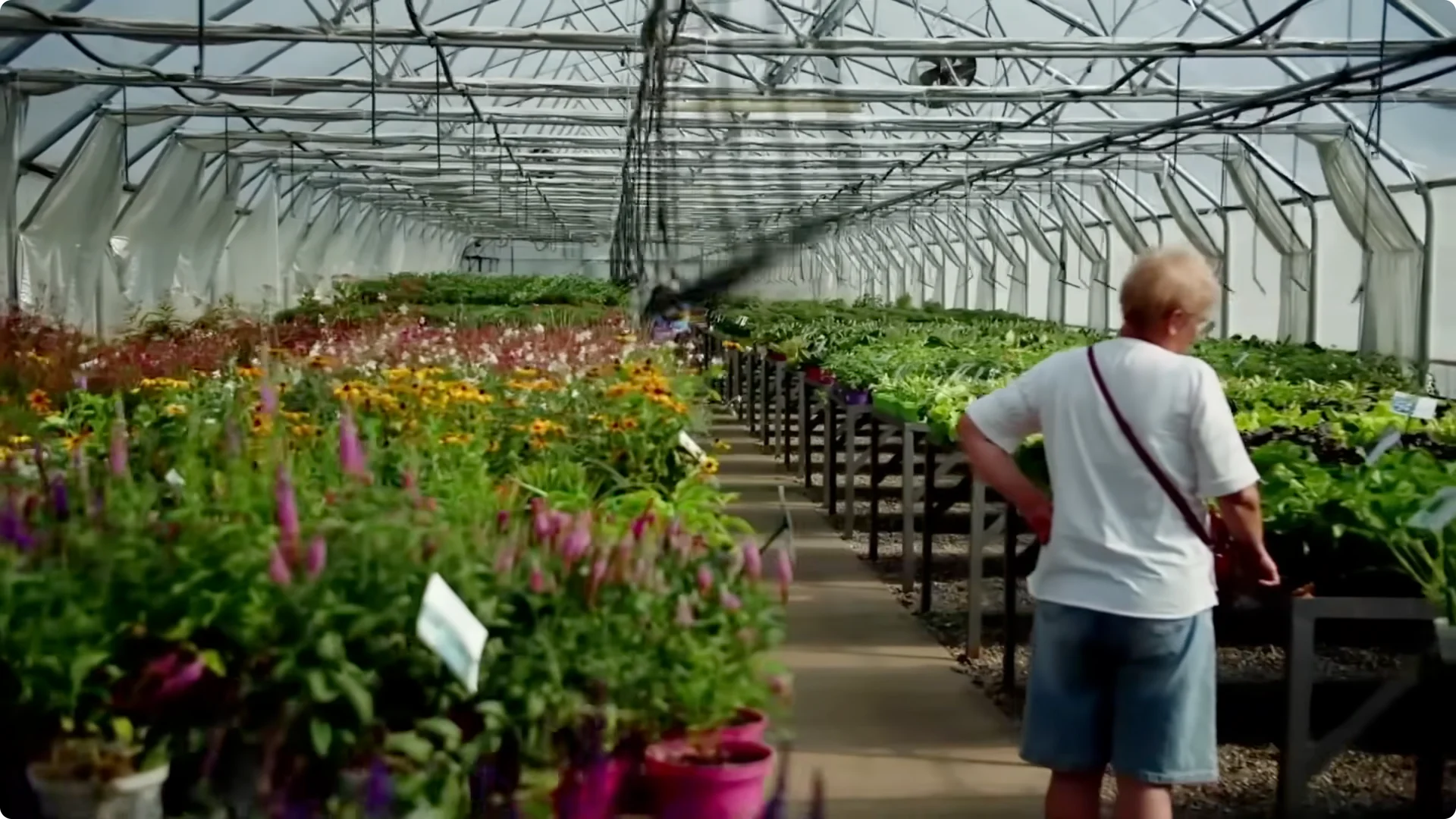
Everyone does this. You go to the garden center, you see a pot you like, you buy it. Next season, same thing.
Different store, different style, different color. After a few years, you’ve got eight pots that have nothing to do with each other, and the whole front yard looks like a yard sale.
Why it hurts
Pots are one of the first things people notice. Before the plants, before the lawn, the containers catch the eye. And when they’re all different sizes, different materials, different colors, the message they send is that nobody made a decision here.
The fix
The fix is simple. Pick one material. Stick to two colors.
Vary only the size. Three matching zinc pots at different heights look intentional. Seven different pots in seven different styles look like chaos.
You don’t need to throw anything away. Just pull the ones that don’t fit and store them out of sight. What’s left will already look better.
Extra tip
Watch out for plastic pots designed to look like terracotta or stone. From 5 ft away, they read as exactly what they are. One cheap looking pot in an otherwise solid setup pulls everything down with it.
That one is visible from the street the second someone pulls up.
9. Small Garden Design Mistakes with Straight Line Planting
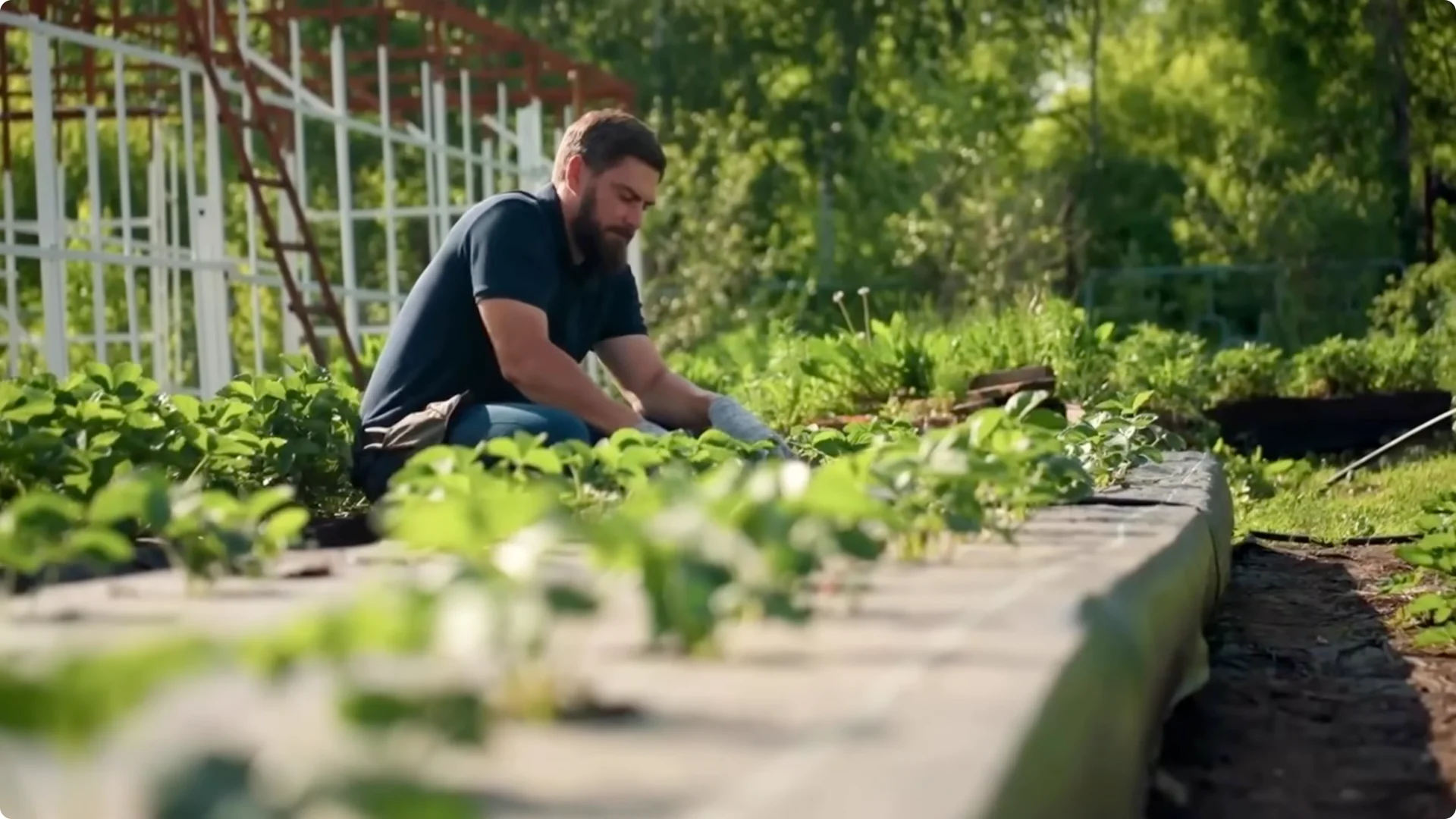
This is one of those mistakes that makes total sense until you see what it actually does to a space. The fence is the edge of the garden, so the plants go along the edge. And because the fence is straight, the planting goes in straight, too.
The problem is that straight lines flatten everything. The garden ends up looking like a school project. Neat, but not designed.
The fix
What the eye reads as designed is depth. Plants at different distances from the fence. Some pulled forward into the space, some sitting back.
That variation creates layers. Layers create shadow. Shadow creates dimension.
A straight row against a fence eliminates all of that. You don’t need new plants to fix this. Just reposition what you already have.
Pull the front row forward 12 to 18 in from the fence. Let the line curve slightly or stagger. Same plants, completely different result.
It suddenly looks like someone thought about it. That fix costs nothing and makes an immediate difference.
Read More: how to avoid common mistakes that lead to dying houseplants
8. Small Garden Design Mistakes with Fabric Under Gravel or Bark
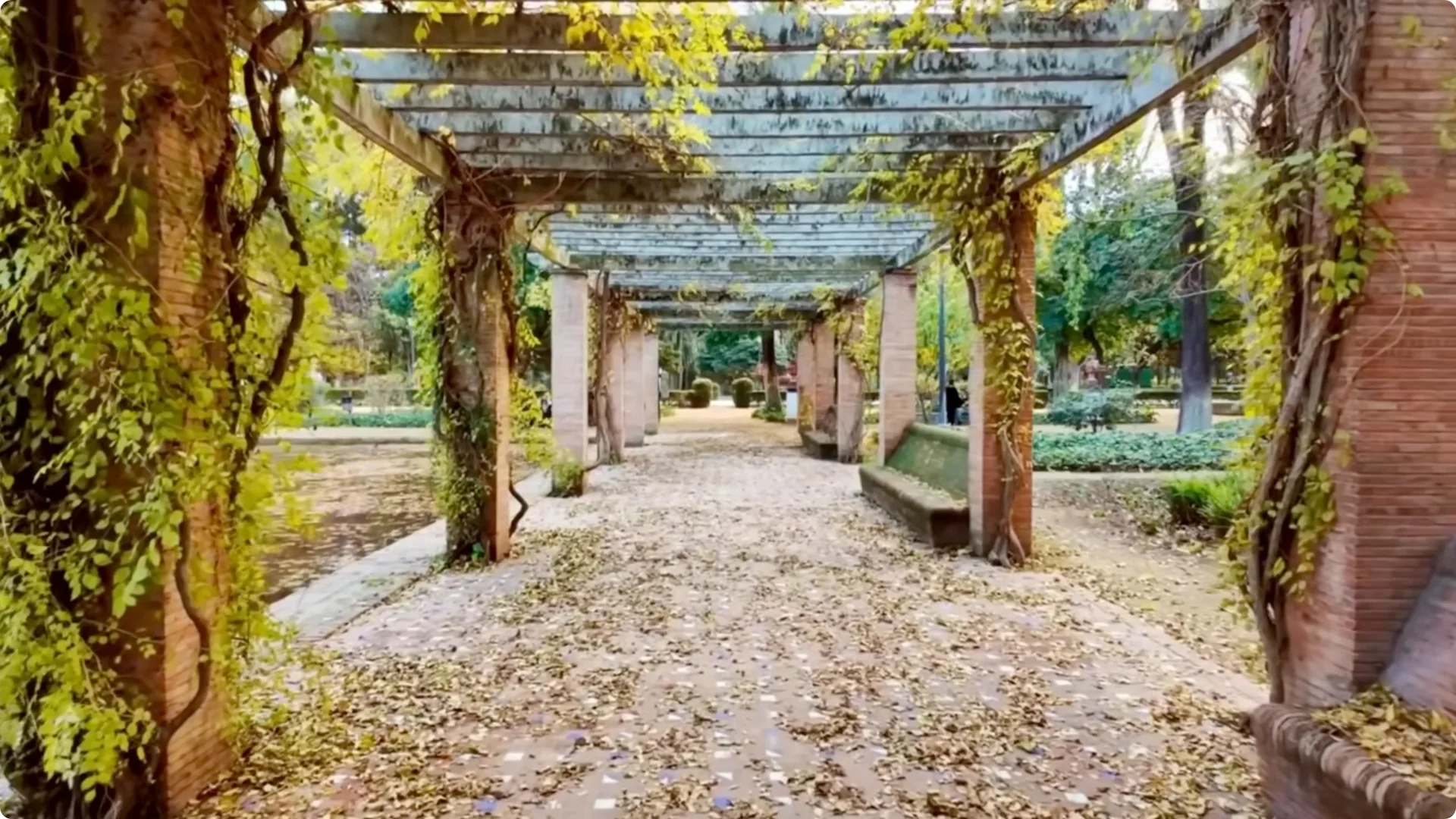
Walk into any garden center and weed barrier fabric is right there near the checkout. Weed barrier sounds perfect. Lay it down, pour gravel on top, done forever.
It works for about one season. Then windblown seeds land on the surface of the gravel. Roots come down through the fabric from above.
When you try to pull the weed out, the fabric tears and bunches. Within 2 or 3 years, the fabric is poking out at the edges, sinking in the middle, and looking worse than no fabric at all. Because at least with no fabric, the bed just looks like a bed.
With torn fabric showing, it looks like a failed attempt. And that is worse. The real fix for weeds is depth, not fabric.
A 4 in layer of bark mulch on bare soil suppresses weeds better than fabric over a 3 year period. It breaks down and improves the soil as it goes. Gravel without fabric works, too.
Just keep it deep. No torn edges, no bunching, no embarrassing reveal every time the wind moves something. That one traps a lot of people because it looks like the right call at the garden center.
7. Small Garden Design Mistakes with Solar Spike Lights
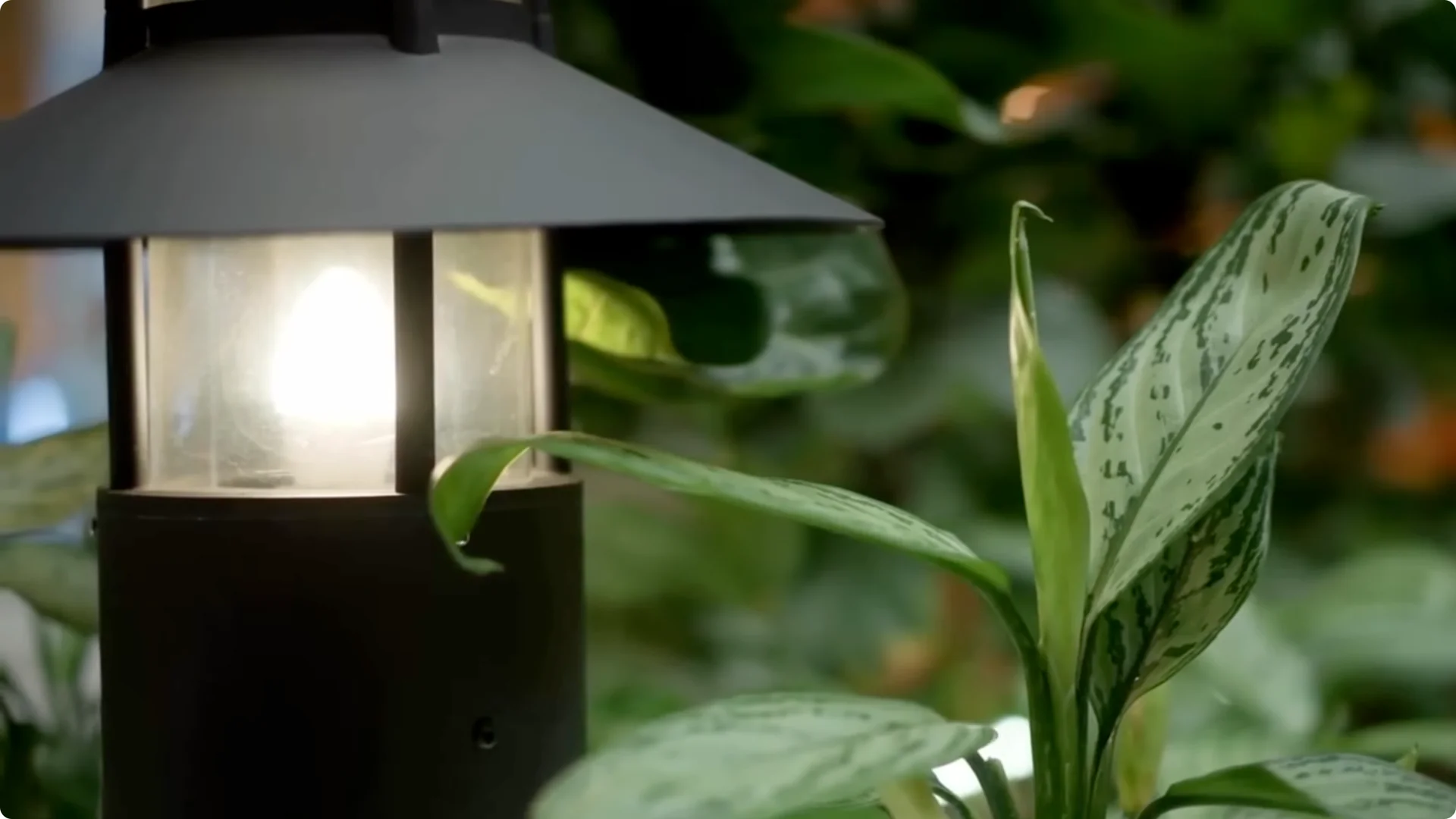
Solar lights are one of the bestselling garden products every spring. A pack of eight, all different, pushed into the ground wherever there is a gap.
Cheap solar lights put out a cold blue white light. That color, usually around 4,000 to 5,000 Kelvin, is the same light used in offices and supermarkets. It makes plants look gray.
It makes the garden feel harsh. And after dark, instead of a warm outdoor space, you’ve got something that looks like a hospital car park. The other issue is placement.
Eight lights dotted randomly does not create atmosphere. It creates noise. Your eye doesn’t know where to go.
There is no focus, no mood, just a scattering of cold white dots. The actual fix is not to spend more on solar lights. It is to change the approach entirely.
Two or three warm white ground spots, 2,700 Kelvin, aimed up at a key plant or wall, will do more for your garden after dark than 20 spike lights ever will. Less coverage, more atmosphere. One good light placed well beats eight average ones every time.
Lighting is one of those things that makes or breaks a garden after 5 pm.
6. Small Garden Design Mistakes with Shrub Shaping
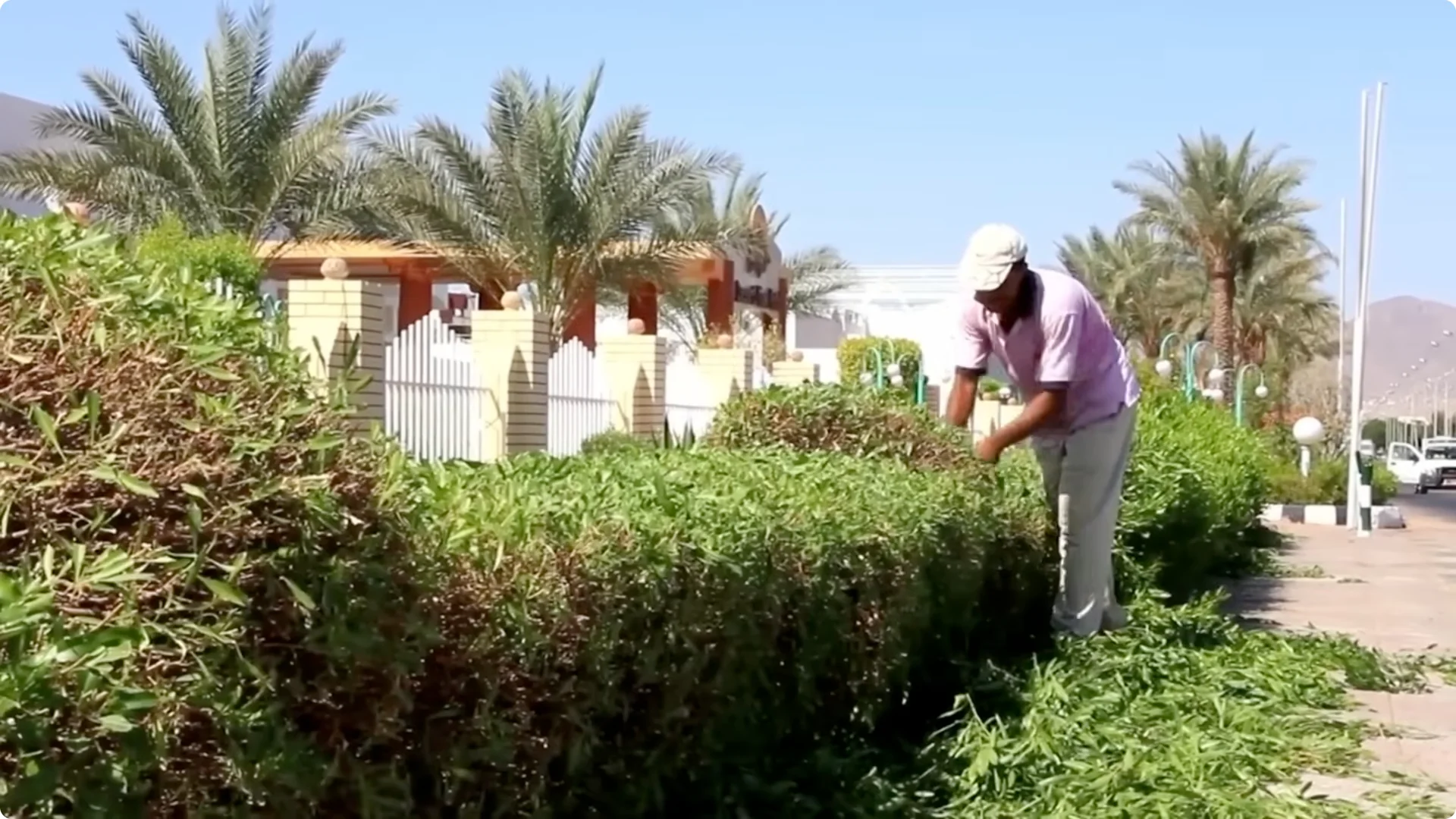
Tidiness feels like the right goal. A shrub clipped into a neat ball or box looks controlled, looked after, and when you first do it, it does look clean. The problem is what happens over time and what it communicates.
When every single shrub in a garden has been trimmed into the same round shape, the whole space looks sterile. There is no variation, no character. It looks like topiary that gave up halfway.
And honestly, it signals one thing. The person doing it knows one move. There is a physical problem, too.
Hard repeated clipping forces all the plant’s energy to the outer surface. The interior goes bare. If the plant gets stressed or you miss a season, it does not bounce back cleanly.
You have locked yourself into a maintenance cycle with no exit. The better approach is selective thinning. Go inside the shrub once a year.
Remove crossing branches. Take out dead wood. Let the outer shape follow the plant’s natural form.
Most shrubs actually look better this way. More alive, more intentional. And the garden reads as considered rather than controlled.
Read More: Monstera mistakes that quietly weaken the plant
5. Small Garden Design Mistakes with Edges
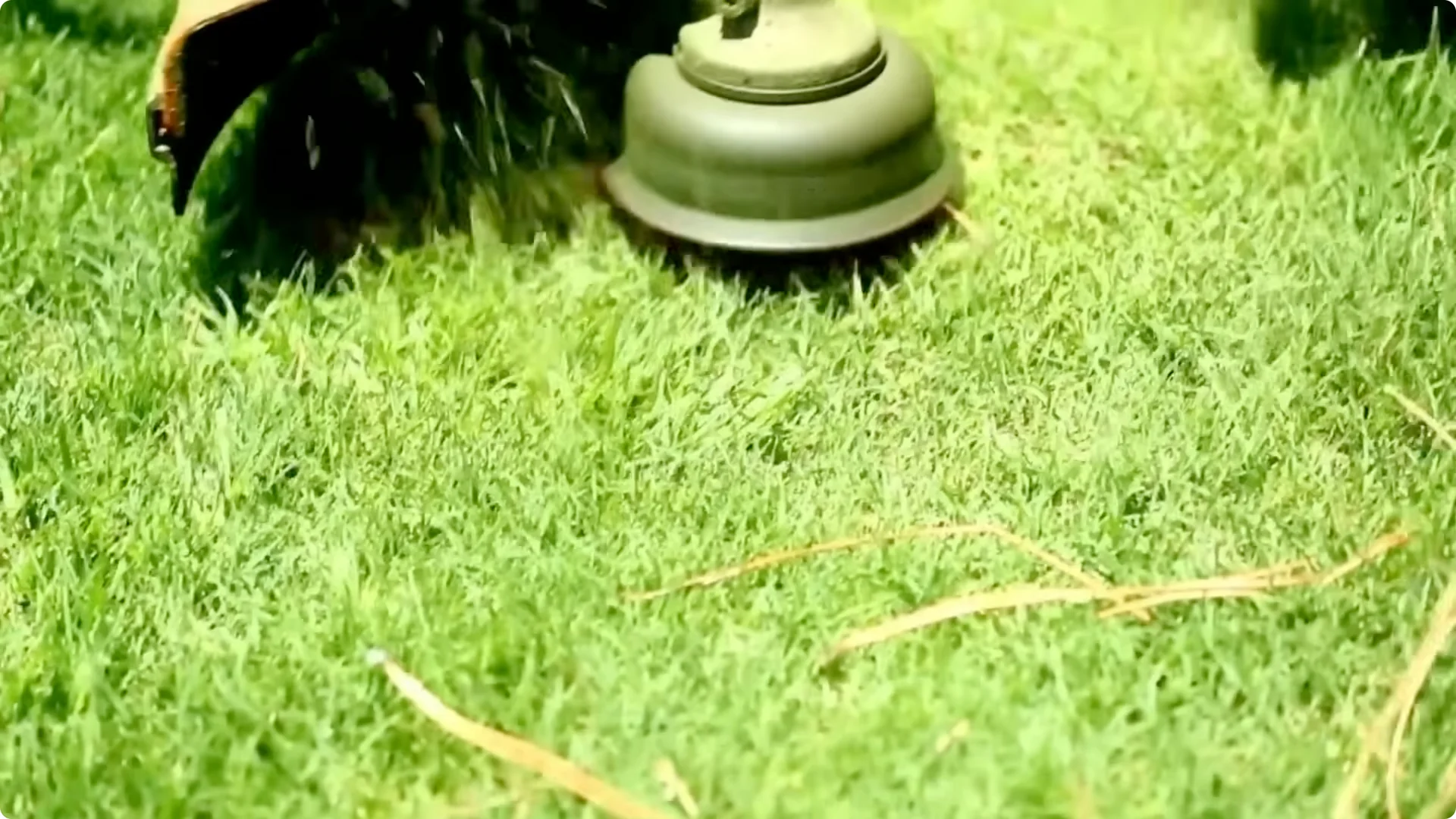
This is the single biggest difference between a garden that looks designed and one that does not. A clean edge where the lawn ends and the bed begins acts like a frame. It makes everything inside the bed look more deliberate.
Without it, the grass creeps in, the bed creeps out, and the whole thing looks like it is slowly coming apart. Most people mow up to the edge of the bed and call it done. But mowing does not create an edge.
It just cuts the grass that is already there. The roots are still growing sideways underneath. Six weeks after a good mow, that edge is already blurring again.
A half moon edger fixes this permanently. You use it twice a year. It cuts a clean vertical line that stops the grass growing sideways.
You get a sharp 2 in drop from lawn to bed. The whole garden snaps into focus. Twenty minutes twice a year.
That is all this takes. And nothing, I mean nothing, you can do in twenty minutes makes a bigger difference to how a garden reads. Try it once and you will do it every year.
Clean edges cost nothing and change everything.
4. Small Garden Design Mistakes with Decking on Soil
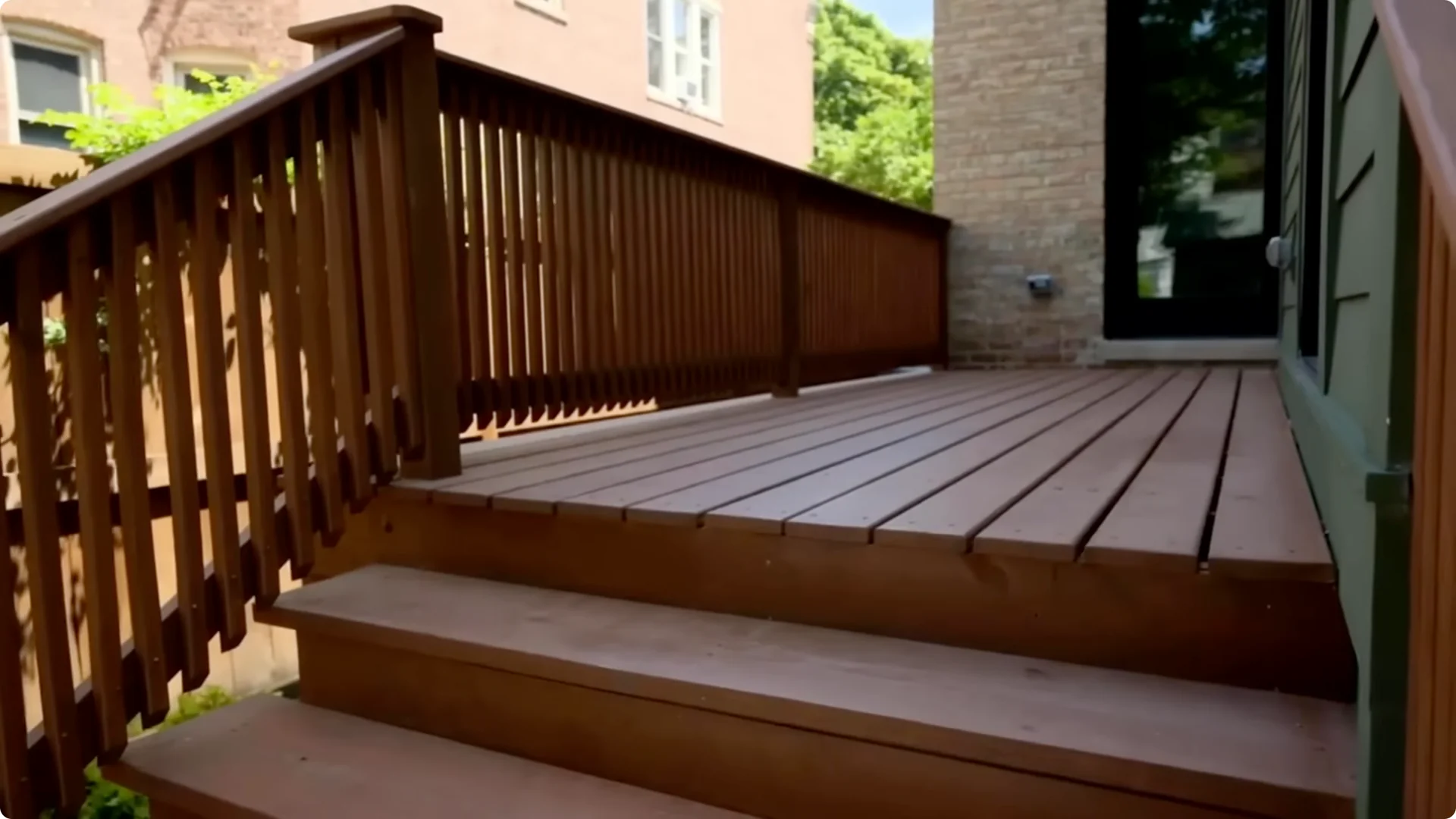
Decking is one of the most installed and most regretted surfaces in small gardens. And the problem almost always comes down to the same two things. The quality of the material and what it is sitting on.
Budget softwood decking laid directly onto compacted soil or a thin gravel base traps moisture from both sides. The underside never dries out. Within two or three seasons, the boards are soft, they are discolored, and they are starting to become a slip hazard.
There is a visual problem, too. Cheap, untreated decking goes gray within a year. Not a nice weathered gray, a streaky, patchy, uneven gray that looks like neglect.
Most people respond by staining it. Six months later, the stain is peeling. Now it looks worse than before.
The fix at installation is not complicated. A properly treated structural timber frame elevated at least 50 mm above ground level with air flow underneath. That gap costs almost nothing to build in correctly.
Composite decking on a proper frame lasts four to five times longer than budget softwood with zero annual maintenance. It costs more upfront. Over 10 years, it costs far less.
And it does not go that particular shade of gray.
3. Small Garden Design Mistakes with Plant Buying
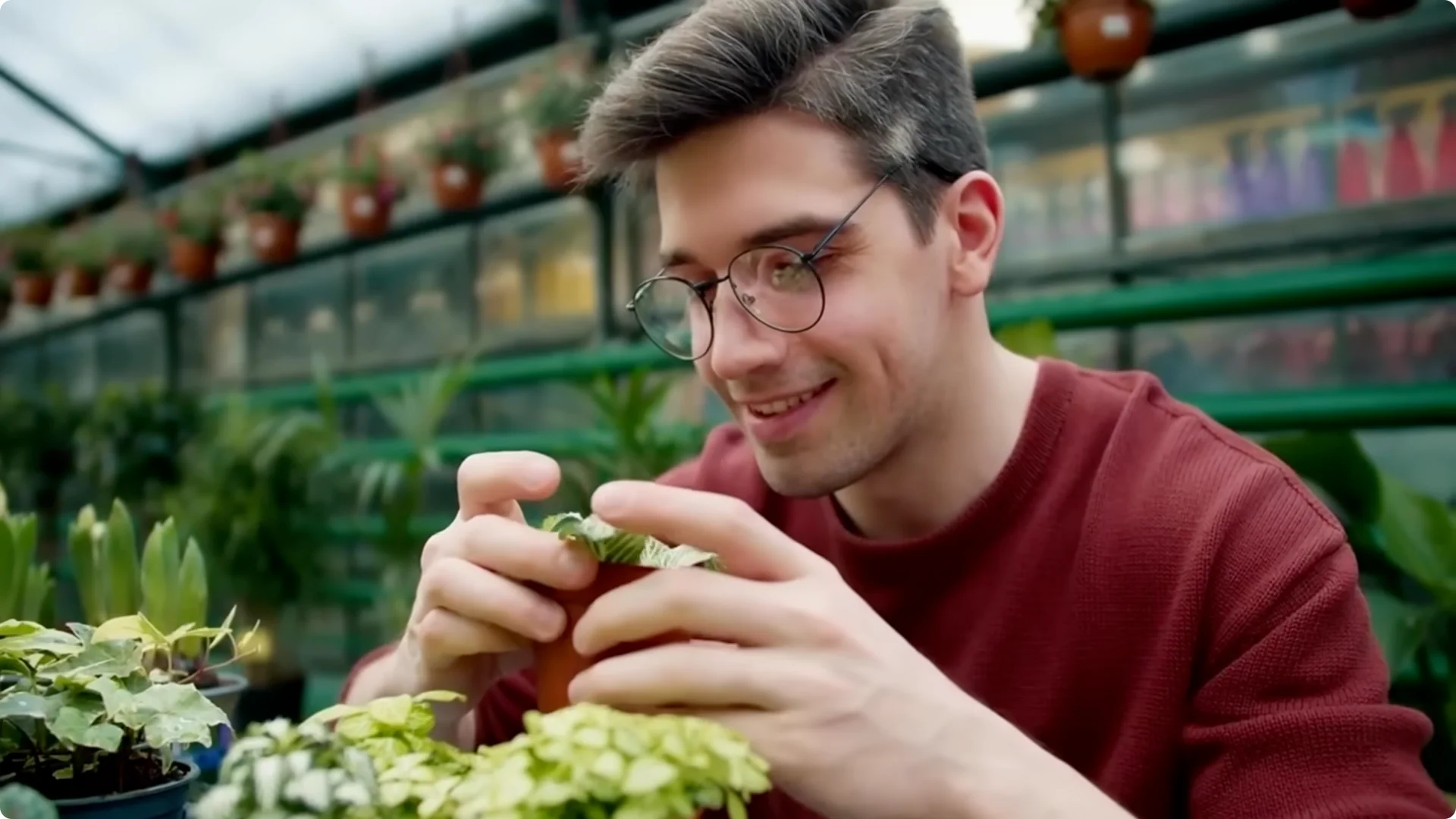
Garden centers are designed to make plants look great at the size they are currently at. A full flowering shrub in a small pot is exactly what catches your eye. The label on the back says eventual height 3 meters.
Most people do not read it or they read it and do not translate it. Three meters is nearly 10 ft tall. In a small courtyard, that plant is going to take over within 4 years.
The opposite mistake is just as common. Delicate little plants bought for a spot that needs something with real presence. They look sparse and lost for two seasons.
Then they get pulled out and replaced. And the garden stays in a permanent state of unfinished. The rule is straightforward.
Buy for the mature size, not the current size. Before anything goes in the ground, know how big it gets. Know how fast, know how wide.
In a small garden, especially, one plant at the wrong scale throws the whole composition off. Scale is the invisible thing that separates a garden that looks designed from one that just has a lot of plants in it. That one catches people out every time because it looks like a good decision on the day.
Read More: ZZ plant care mistakes to avoid
2. Small Garden Design Mistakes with Focal Points
A focal point is the thing your eye goes to first when you look at a space. One well chosen focal point gives the garden an anchor. It makes the whole thing feel resolved.
Most small gardens have five or six things trying to do that job at once. A gazing ball here, a ceramic frog there, a windmill, an obelisk, three different decorative stakes, a bird bath. Every one of those was bought because it looked good in the store.
Together, they create noise. The eye does not know where to land. The garden feels cluttered, even if there is technically room for all of it.
The fix is an edit, not a purchase. Walk your garden and pick one thing, just one, that you actually want the eye to go to. Everything that competes with that gets moved or put away.
The space will feel emptier for about a week. Then it will feel designed. This is the uncomfortable one because the fix means removing things you bought and probably liked.
But removing things is almost always more powerful than adding them. One focal point, well chosen, makes a garden look intentional. Six focal points make it look like a gift shop.
That is harder to do than it sounds, but it makes a bigger difference than almost anything else on this list.
1. Small Garden Design Mistakes with Color Palettes
This is it. This is the one. Every garden that looks cheap, looks busy, looks unresolved, almost always has this problem at its core.
The pots are one color. The fence is another. The furniture is a third.
The cushions are something else entirely. The plants are all over the place. Nothing relates to anything.
The whole space looks like it was put together by different people over 15 years because usually it was. Color coherence is what designers build every room around and what garden designers build every scheme around. It is not about everything matching.
It is about everything relating. Two or three colors that work together. One neutral base, one or two accent shades applied consistently to every element you can control.
The pot color, the furniture, the fence or wall paint, the cushions, the planting colors. When those things share a palette, something shifts. The garden looks intentional, even when nothing in it is particularly expensive.
A cheap chair in the right color reads as considered. The same chair in a color that clashes with everything around it reads as an afterthought. And here is the part most people miss.
You do not need to get it perfect. You just need to reduce the number of competing colors. A garden working with four coordinated shades will always look more designed than one with 12 unrelated ones.
Start by removing the outliers. The pot that does not belong, the accessory in the wrong color, move it around the corner. The garden underneath will already start to look like someone made a plan.
It costs nothing to do this. You are not buying anything. You are editing what is already there.
And editing is almost always the most powerful design move there is.
Final Thoughts
If you have three or four of these in your garden right now, do not worry about it. Most of them are free to fix. A reposition, an edit, a decision made once that you do not have to think about again.
The goal is not a perfect garden. It is a garden that looks like someone thought about it. That is really all well designed ever means.