
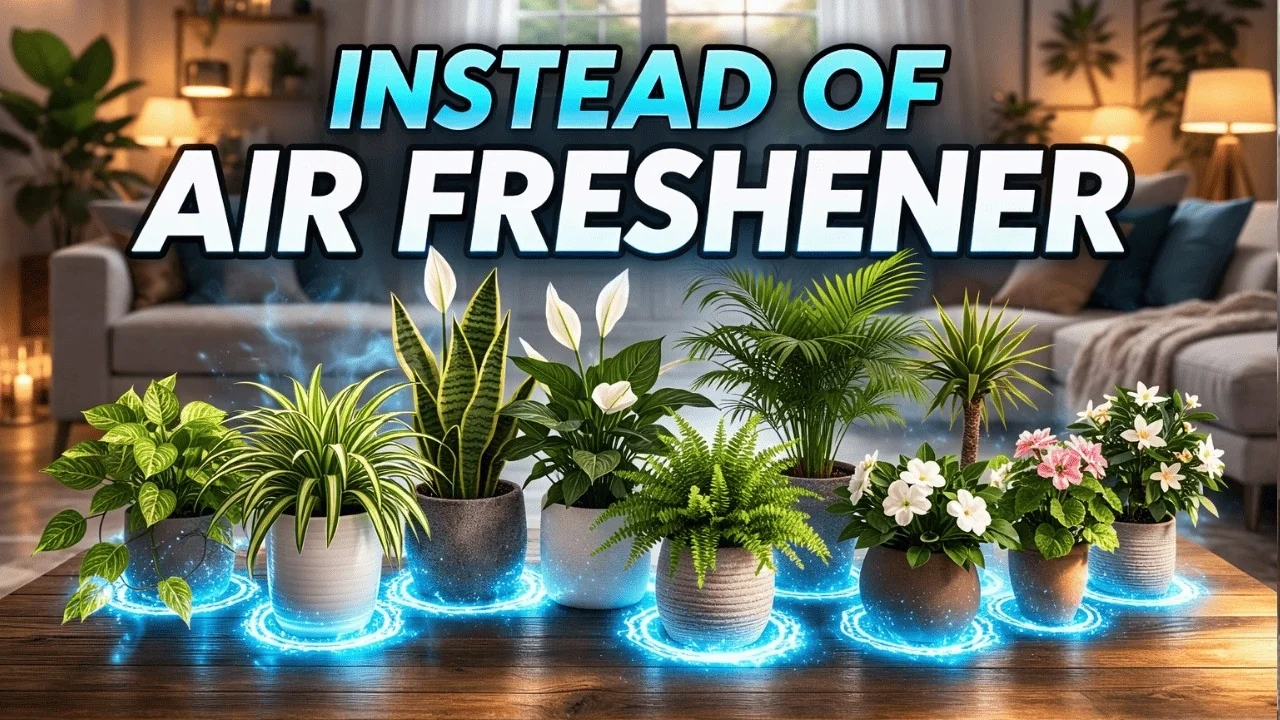
Very few people realize that the air inside a cozy living room can be up to five times more polluted than at a busy intersection in the city center. We think of home as a fortress and a quiet harbor, yet modern architecture has turned living spaces into sealed plastic boxes. Furniture made from particle board, wall to wall carpet, and even paint are constantly releasing harmful substances.
Trying to create comfort, we often make a fatal mistake. Harsh aerosols and synthetic air fresheners lay a new layer of chemicals on top of the old ones, creating a dangerous cocktail for our lungs. There is an alternative suggested by nature itself.
This guide walks through practical, living helpers that work around the clock. One of them even keeps producing oxygen at night when you are asleep. Use these ideas to turn an ordinary apartment into a place where you can truly breathe freely.
Air-Purifying Houseplants
1. Golden Pothos
If you consider yourself to have a black belt in killing houseplants, golden pothos is your chance at redemption. Often called devil’s ivy for its resilience, it grows in almost complete shade and forgives weeks of neglect. This plant is the ideal entry point for anyone starting a greener home.
Its long, fast growing vines with heart shaped leaves decorate shelves and can help reduce formaldehyde and benzene from household plastics and modern flooring. The visual effect is powerful, creating cascading foliage that shifts the geometry of a room. It brings a psychological sense of forest coolness and calm.
To boost its natural freshener effect, place it in hanging planters so air circulates freely around the leaf mass. Clean leaves are linked to performance, so occasionally wipe the glossy surface. The leaves contain calcium oxalates that can irritate pets, so hang it higher where it looks better and stays safer.
If you want more forgiving choices to start with, see easy care houseplants that tolerate learning curves.
2. Spider Plant
Many people underestimate spider plants because they remember them from school classrooms and libraries. In reality, they are among the most effective plants for improving indoor air quickly. In NASA studies, spider plants stood out for removing carbon monoxide and formaldehyde in test conditions.
Thanks to fast growth and many babies on long stems, they move moisture and nutrients actively, creating a noticeable sensation of freshness. A spider plant works like a gentle natural humidifier for dry homes. To keep it looking like a magazine cover, there is one secret worth knowing.
This plant is sensitive to fluoride and salts often present in tap water. Using filtered water or water that has been left to sit can prevent scorched edges and fix brown leaf tips. If you are troubleshooting crispy margins, see how to fix brown leaf tips for practical watering and mineral tips.
Another major plus is total safety for pets. Spider plants are non toxic for cats and dogs, and cats often enjoy the leaves as a snack. It can be a safe addition to your furry friend’s menu while working as a personal green filter.
3. Sansevieria
Sansevieria, often called snake plant, is true architectural perfection. Its vertical, sword like leaves look like modern art, but the main value lies in unique biology. Most plants produce oxygen during the day, but sansevieria uses CAM photosynthesis and opens its pores primarily at night.
It keeps working while you sleep, absorbing carbon dioxide and some volatile compounds, which makes it a favorite for the bedroom. The stiff, smooth leaf surface is also an ideal trap for fine household dust. You can keep it efficient with a two minute routine.
Step 1: once a week, wipe the leaves with a damp cloth to remove gray residue. Step 2: water the soil lightly and never let water sit in the rosette or center of the plant. Follow this and the night shift guard can serve for decades, delivering a clean, minimal feel.
4. Peace Lily
Spathiphyllum, often called the peace lily, brings elegance with large emerald leaves and snow white blooms that resemble sails. Its role in freshening the air is far more active than it appears. This plant can raise indoor humidity by around 5 percent, which is critical during the heating season.
Higher humidity makes dust and pollen heavier, so they settle faster and ease breathing for people sensitive to air quality. The white blooms are psychologically linked to order and cleanliness, creating visual harmony. Freshness should feel alive, not stale.
Avoid keeping the soil constantly wet or you risk root rot that can fill a room with a heavy basement smell. The plant signals thirst by slightly drooping its leaves, which is the most reliable indicator. Peace lilies also appear in NASA lists as effective filters against benzene and trichloroethylene.
Be careful with pets, because like many aroids, peace lilies contain oxalate crystals that can cause severe irritation if tasted. Place it where curious animals cannot nibble. Enjoy the quiet lift in both air and mood.
5. Boston Fern
The Boston fern is a classic of Victorian conservatories making a return to modern apartments. If extremely dry air from radiators is your main issue, this fern can be your best ally. Its fluffy, feathery fronds have enormous surface area, making it a powerful natural evaporator.
Ferns also show excellent results with xylene, a compound often found in hairsprays, perfumes, and cleaning products. The plant absorbs and processes these substances within its complex system. Keeping a fern healthy means respecting its love for stability.
If the air becomes too dry, it may shed many small leaflets, which is frustrating. Find the right spot, like a bathroom with a window or next to a desk with a running humidifier, and it turns that area into a gentle tropical spa. To prevent unpleasant smells, give excellent drainage and never let water sit in the saucer.
In return, it gifts that cool, washed air feeling you get in a forest after rain. It asks for a bit more attention, but the soft, humidified atmosphere is worth it. Consistency is the secret to lush fronds and fresh air.
6. Areca Palm
Scale matters in air purification. One large plant with a strong crown often handles filtration and humidification better than many small pots. The Areca palm, Dypsis lutescens, is a heavyweight with an incredibly high transpiration rate.
Studies show a mature Areca can evaporate up to about one liter of water per day through its many feathery leaves. In apartments with active heating, that turns the palm into a silent biological humidifier that does not add to your electricity bill. It also creates a calming, psychological filter in the room.
Soft greenery and the faint rustle of leaves help lower background anxiety and soften visual noise. Areca loves bright but diffused light. The larger the leaf surface area, the more dust it collects, so regular misting and wiping support that crystal freshness linked to tropical forests.
Read More: Eliminate Red Spider Mites Houseplants
7. Dracaena
Dracaena is often called a mini palm on a stick for its exotic look. Behind the decorative appeal is a powerful biological shield against trichloroethylene, benzene, and formaldehyde. These compounds seep from nail polish, carpet cleaners, fresh print, and new furniture.
Dracaena absorbs them and neutralizes them in the root zone, turning potential toxins into food for symbiotic microorganisms. With cultivars from the red edged marginata to fuller Dracaena fragrans, it fits many interiors. There is one trait every owner should know.
Dracaena is extremely sensitive to water quality, especially fluoride. Darkening leaf tips can signal excess fluoride or minerals in tap water, acting as a living indicator of watering conditions. Care is simple with moderate watering and diffused light, making it a reliable long term partner for a clean, safe space.
8. Indoor Jasmine
Indoor jasmine is a personal biological relaxant. The aroma can gently influence emotional state, and many people notice reduced background anxiety and improved sleep quality. This is about creating a favorable atmosphere, not medical treatment, yet the relief after a hard day often feels immediate.
Jasmine is an evening plant with peak fragrance when the sun goes down. That makes it ideal for a relaxation area or bedroom if strong scents do not overwhelm you. There is a price for this living perfume.
It needs bright light and a cool winter rest to bloom well. As soon as the white flowers open, the room fills with a delicate, slightly sweet natural aroma. No synthetic spray can compete with this masterpiece of nature.
9. Scented Geranium
Scented geranium is an interactive freshener that works on demand. Grown for leaves rich in essential oils, it offers a surprising palette of scents from lemon and rose to pine, cinnamon, or even chocolate. These oils can act like natural antiseptics, softening certain airborne bacteria and enhancing the feeling of clean air.
Its aroma releases when you lightly touch or move the leaves. Place it in high traffic spots such as hallways, narrow sills, or next to a desk chair where you will brush against it. The plant rewards small, frequent interactions with fresh bursts of scent.
It also shines in the kitchen. Instead of fighting lingering cooking odors with harsh chemicals, disturb a lemon scented geranium for a bright citrus trail. The lacy greenery doubles as a graceful accent.
10. Gardenia Jasminoides
If indoor gardening had a premier league, it would be led by Gardenia jasminoides. The scent of a blooming gardenia is considered one of the most expensive, complex, and sensual in high perfumery. A single open flower can fill an entire apartment with a gentle, creamy floral aroma.
It creates the feeling of standing in the lobby of a five star luxury hotel and turns a home into a sophisticated space with a unique atmosphere. The queen has royal whims and asks for balance. Gardenia needs acidic soil, soft irrigation water, defined humidity, and stable temperatures without drafts.
Any deviation can trigger bud drop before the plant releases its legendary scent. This difficulty is part of its value. A thriving gardenia is a symbol of skill and care, the highest expression of a living freshener where natural aesthetics and incredible fragrance merge.
Building an Air-Purifying Houseplants Ecosystem
Maximum effect comes not from buying a single miracle plant but from creating a smart ecosystem. The secret lies in combining functions that complement each other. Use filters like sansevieria or spider plants for background purification and nighttime work, then add fragrant plants such as scented geranium or jasmine to set the mood.
This combination influences your environment in a comprehensive way, improving the physical composition of the air and how your home smells. It is important to stay realistic about CADR, or clean air delivery rate. Even a dense indoor jungle cannot fully replace proper ventilation.
Plants are powerful supports, natural filters, and excellent humidifiers that work best with regular airing. Think of them as biological tuning for your space that makes the air softer, cleaner, and more pleasant. Keep your green helpers at 100 percent with a simple care routine.
Give plants a warm shower from time to time to clear dust from leaves. Ensure drainage is excellent so you never get the smell of stagnant water. Keep foliage clean, and wipe broad leaves regularly to maintain active gas exchange.
Final Thoughts
Natural freshness is not a luxury. It is a basic need of our bodies.
This week, try replacing one chemical aerosol can with a single living plant from this list and place it where you will see it. Give it a bit of attention and notice how your perception of home begins to change. You may find it becomes easier to breathe both physically and psychologically.