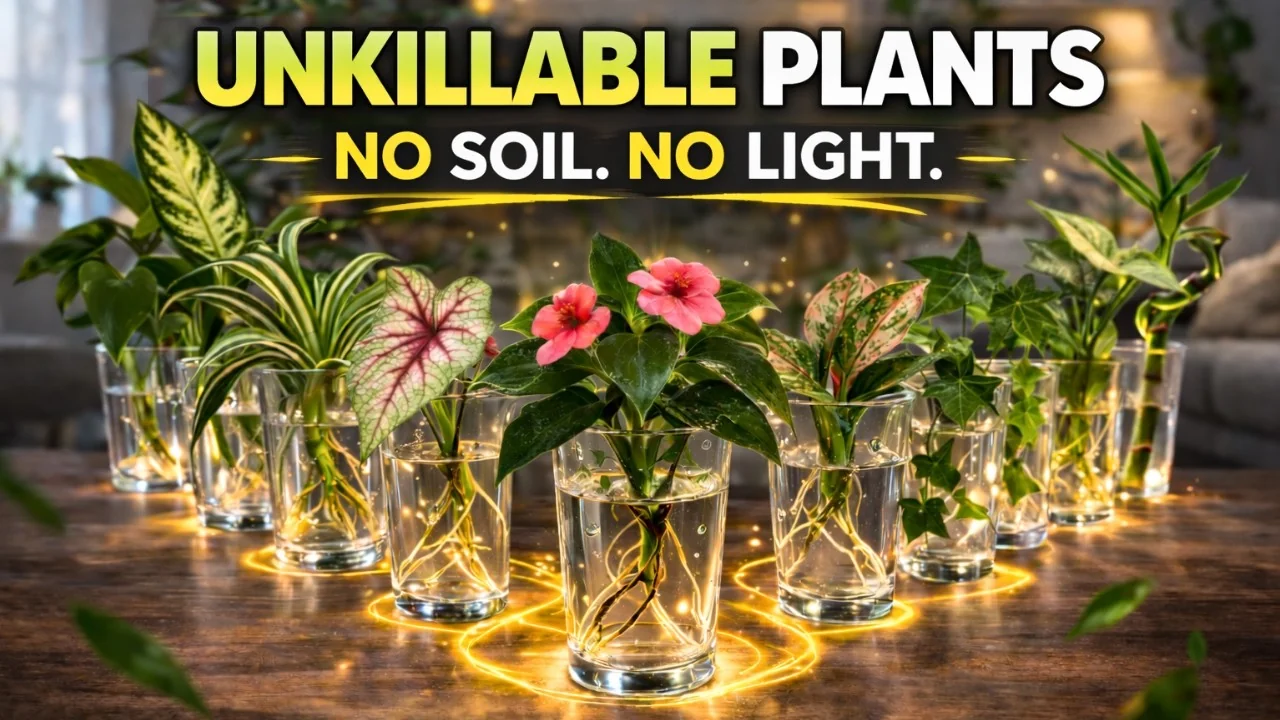
Few people know that there are beautiful, resilient houseplants that do not need a single speck of soil or any direct sunlight at all. While many struggle with expensive potting mixes and the perfect spot on a window sill, these plants thrive for years in a simple glass of water. Even the darkest corner of a hallway or bathroom can host living greenery.
This is not magic. It is their natural superpower. Here are 10 amazing houseplants that make interiors lively and stylish without hassle, and help revitalize spots where nothing could survive before.
You will learn why NASA considers one of them an ideal filter, while cats value it for completely different almost mystical properties. You will also meet an unusual inhabitant of Japanese lakes that does not look like a typical flower at all. Enjoy the quiet presence of plants that love the shade and the calm of water.
Low-Light Water-Grown Houseplants
1. Impatiens
Opening our list is impatiens, known by many as Busy Lizzy. Most flowering plants are obsessed with sunlight and refuse to produce buds without bright rays, but impatiens is a true child of the shadows. Outwardly it looks delicate, with stems that seem almost transparent and leaves with a soft emerald glow.
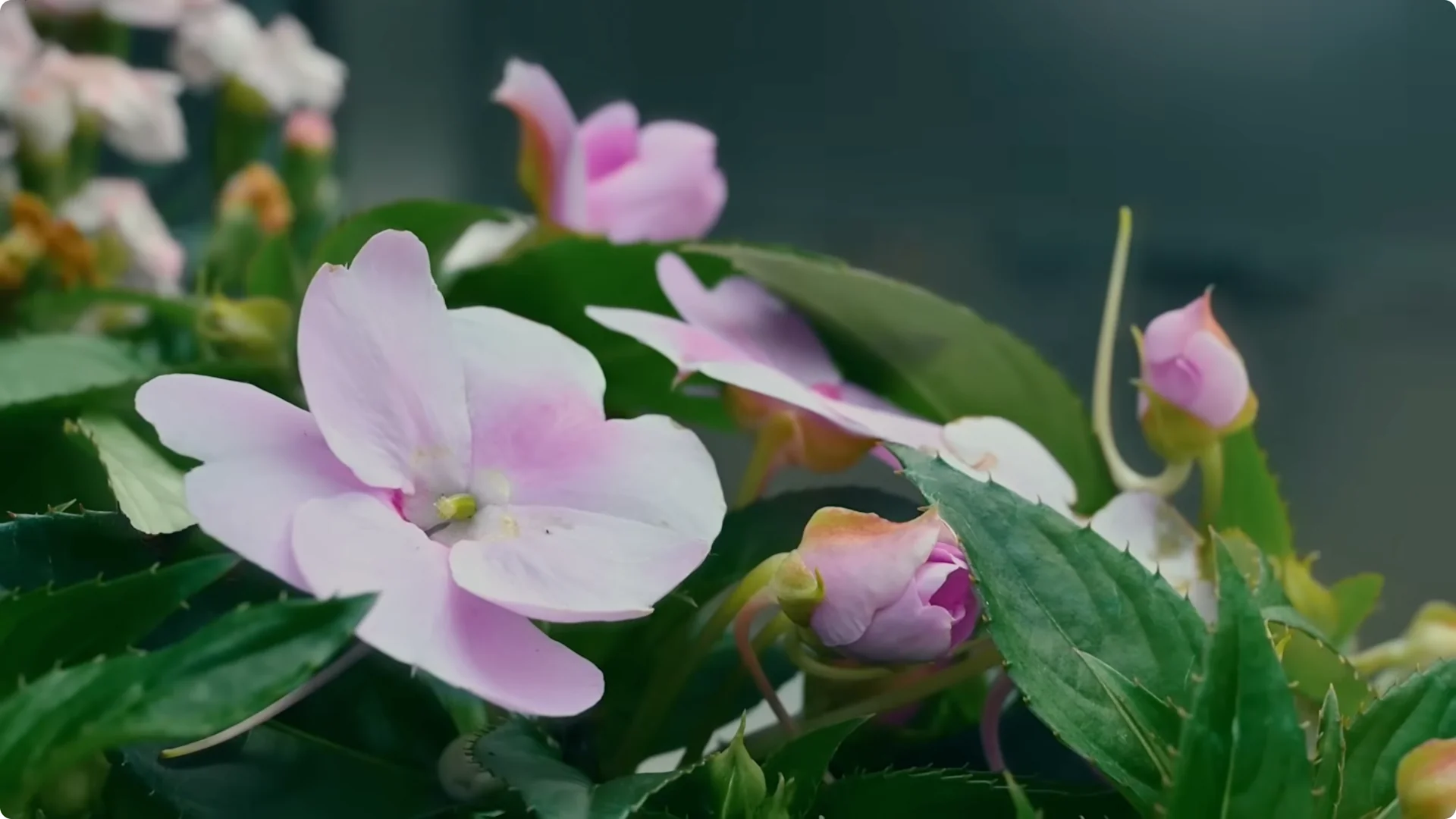
When blooming begins, it explodes with flashes of scarlet, pink, or coral that look like neon lights in a dim room. Its homeland is the humid forests of East Africa where it learned to survive under a massive canopy on crumbs of light. This hardiness makes it an ideal candidate for a glass of water.
Lizzy turns rooting into a show as white threads of life appear through clear glass. For water culture, choose cuttings without flowers so the plant focuses on a strong root system. It is perfect for adding bright color to the saddest corner where there is never any sun.
For more resilient beginner friendly options, explore our guide to hard to kill houseplants.
2. Dieffenbachia
The majestic dieffenbachia, also called dumb cane, has a strong character and an appearance worthy of the best European interiors. Its leaves are large canvases decorated with chaotic splashes of cream and white that create a sense of playful light even in shade. Its powerful central trunk acts like a reservoir, letting it pause growth without losing its presence.
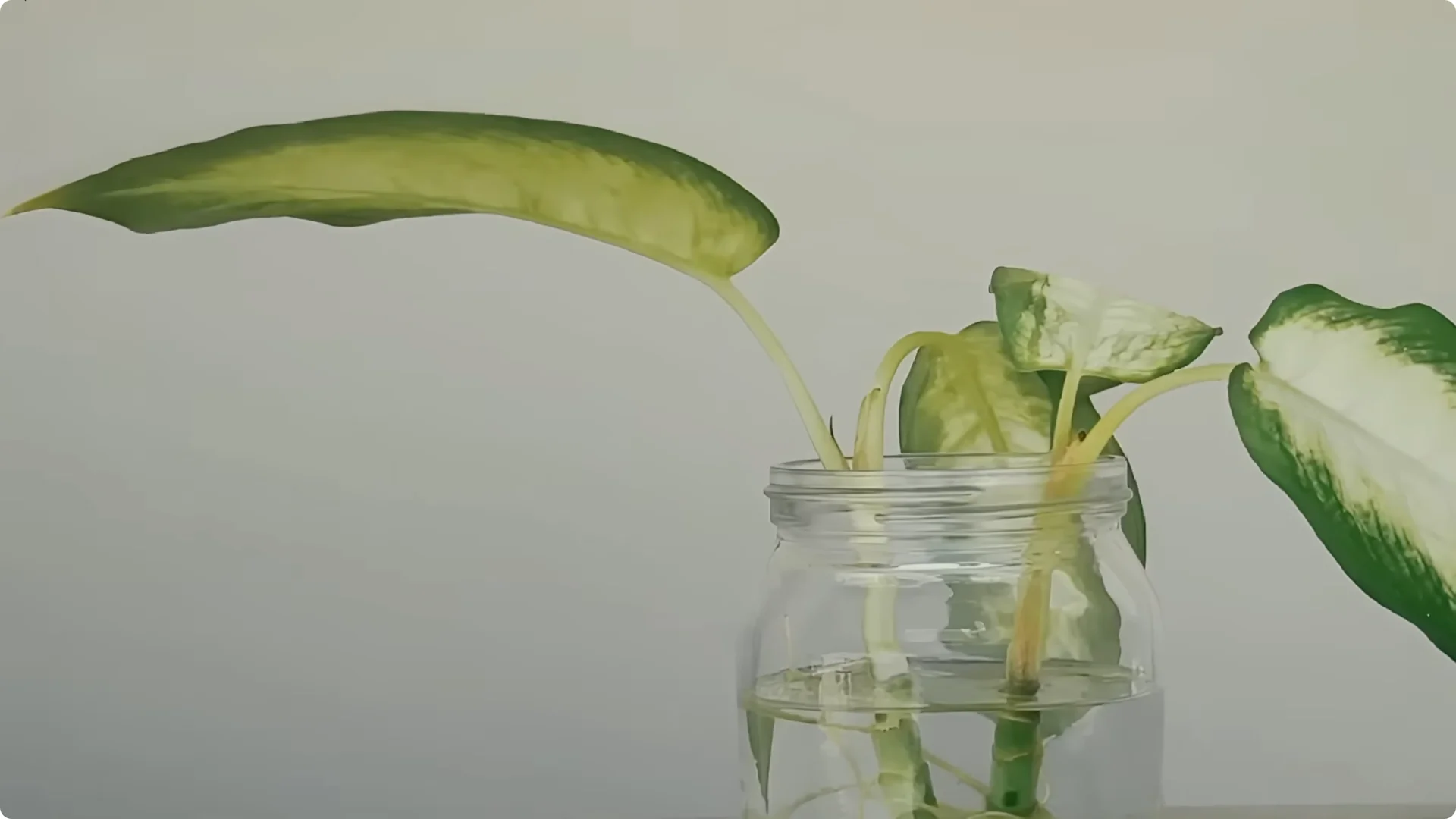
Dieffenbachia adapts to water with phenomenal speed. Place a small cutting into a vase and soon you will have a solid tree like accent that looks expensive and high status. Within this beauty hides a mystery that requires caution.
The plant protects itself with microscopic crystals of calcium oxalate, which can cause temporary numbness on contact with mucous membranes. Admire this guardian with your eyes and place it on high shelves out of reach of curious pets. A minimum support in the vase and infrequent water changes are sufficient, which makes it ideal for busy people.
3. Marimo Moss Ball
This is perhaps the most mysterious and charming alien from the watery abyss. Marimo, the moss ball, is a rare form of colonial algae that takes the shape of a perfect velvety sphere. In an interior, marimo looks like an alien artifact or a living zen stone that brings quiet contemplation.
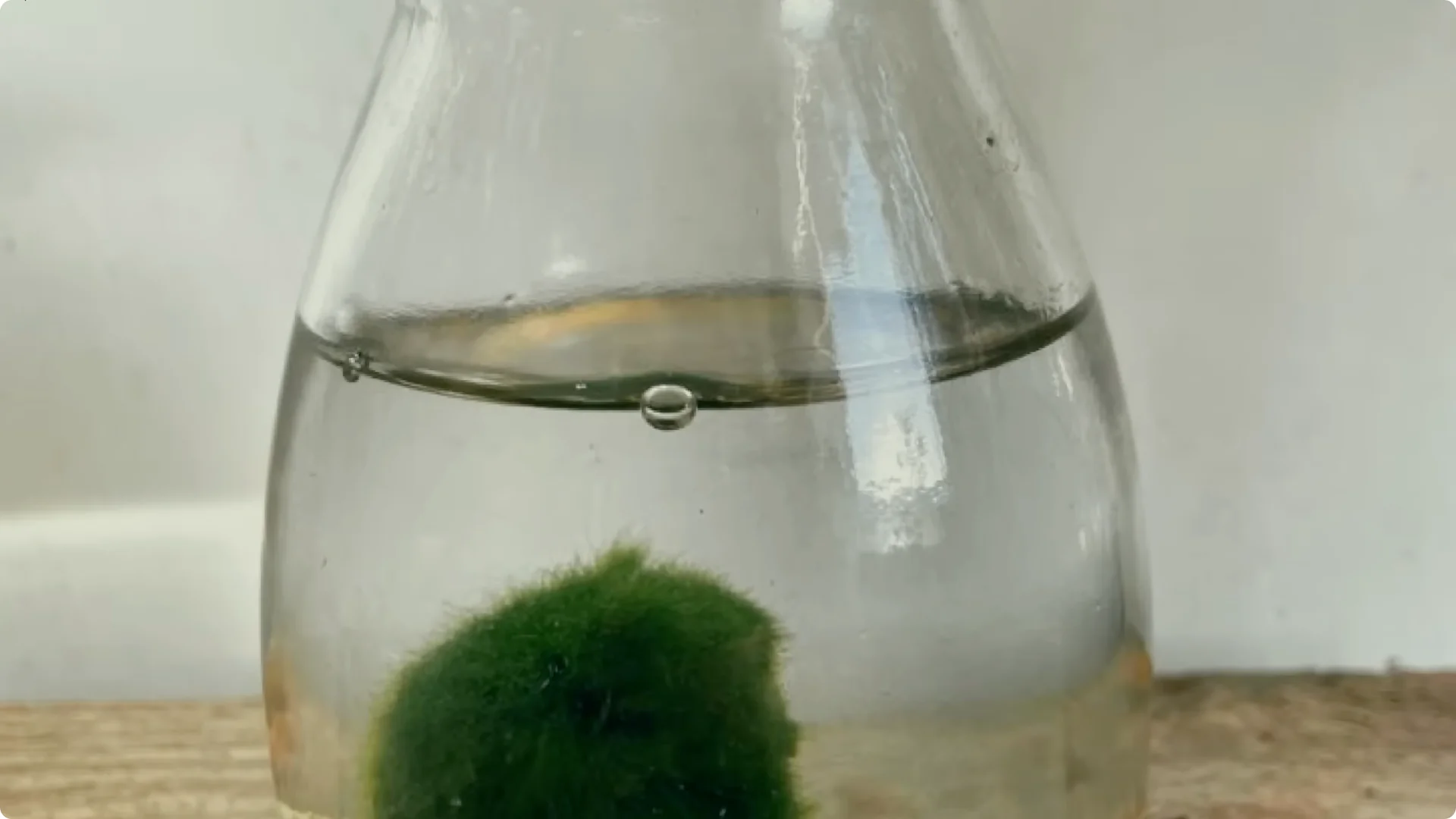
Its natural cradle is the cold deep lakes of Hokkaido in Japan where sunlight almost never penetrates. That is why marimo is a champion of survival in the shade, while direct sun is deadly and burns its delicate surface. It needs no pots, soil, or supports.
All it requires is a transparent container with clean cool water. There is even a care ritual for it. Every couple of weeks, gently roll it in your palms under a stream of water to maintain its perfect shape.
Sometimes you can witness a small miracle. Marimo slowly floats to the surface performing its oxygen dance, then sinks back. It is perfect for a desk or bathroom and asks for almost nothing except a few minutes of attention a month.
4. Heartleaf Philodendron
The heartleaf philodendron is a symbol of unconditional love for life and endurance. Its graceful heart shaped leaves cascade down flexible vines, creating a cozy tropical waterfall. In the wild, this epiphyte clings to bark in deep jungles and climbs through eternal twilight.
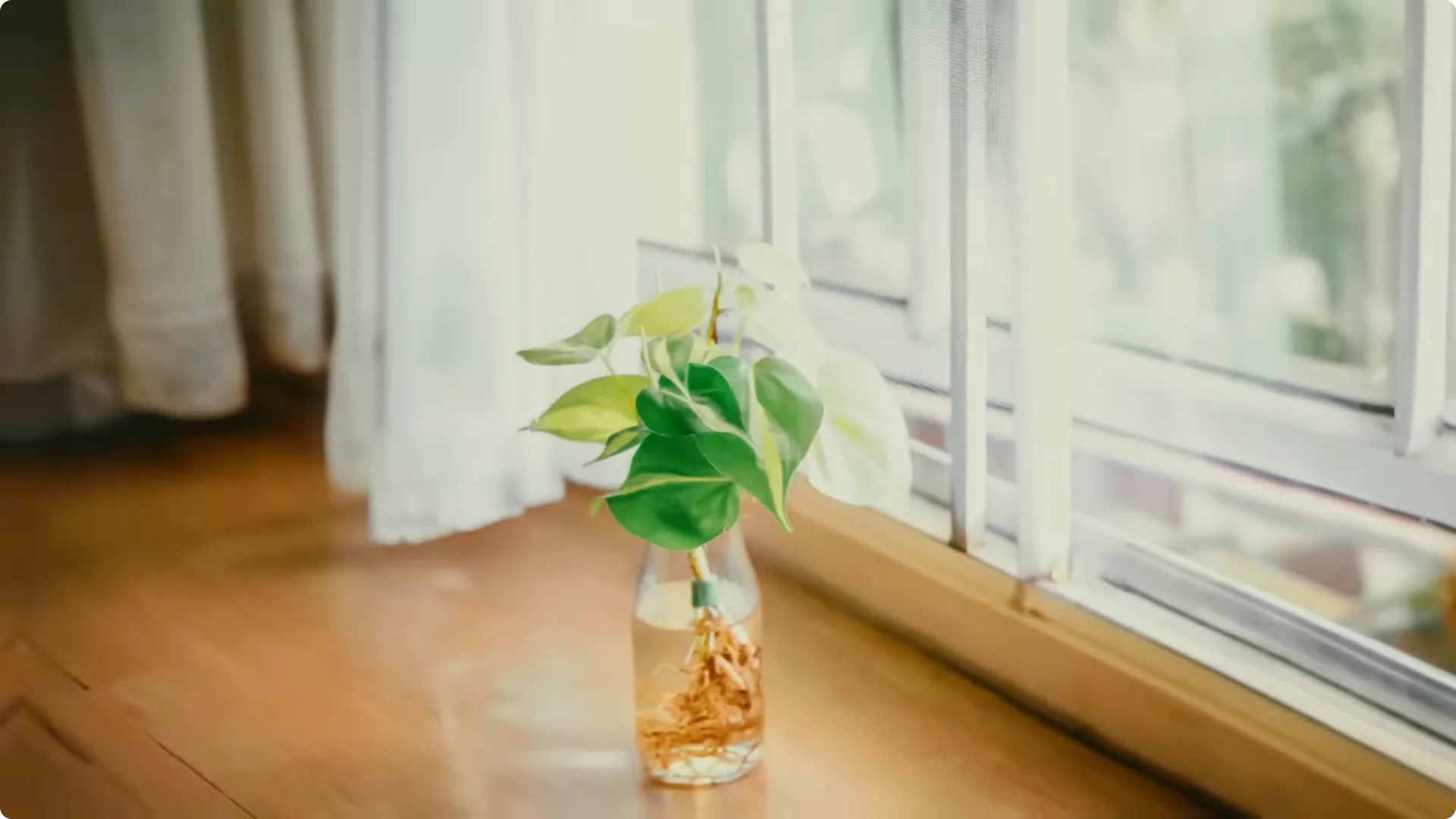
This ability to cling to life makes it practically invulnerable at home. It does not just tolerate shade, it thrives in it, only slightly slowing its rhythm like a deep meditation. Growing it in glass jars is its own art.
Create a living curtain by placing containers on a high shelf. Over time, vines will intertwine through the space, needing only water top ups and the occasional refresh. This plant teaches patience and turns a room into part of an ancient forest.
5. Spider Plant
Chlorophytum, better known as the spider plant, is not just an indoor classic. It is a true astronaut whose air purifying abilities are often cited from the NASA clean air study. Visually it resembles a fountain of narrow, elegantly curved striped leaves.
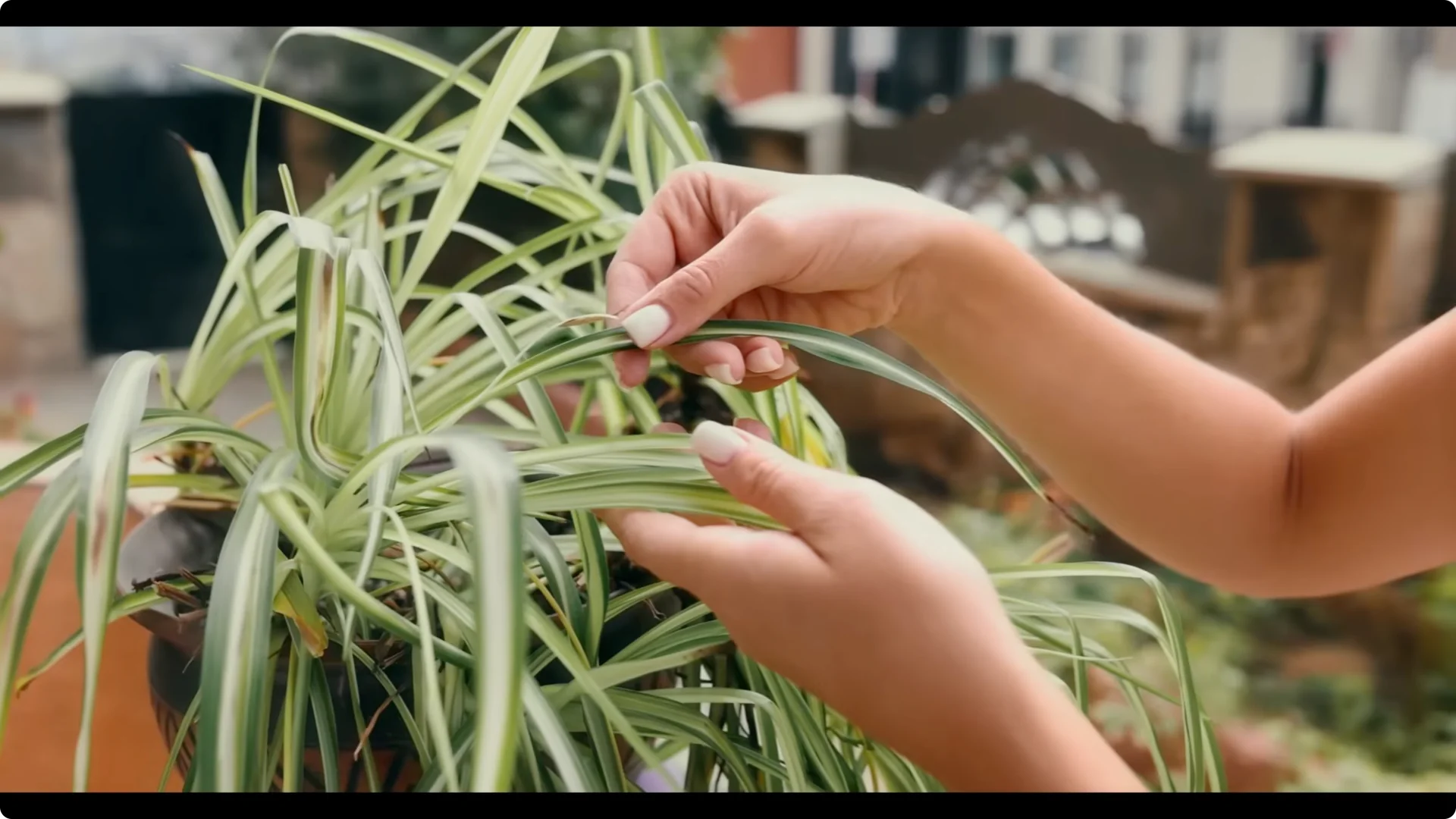
Its main secret lies in its babies, small rosettes that hang on long runners like tiny paratroopers. These babies are already equipped with root primordia and are ready to adapt to life in a vase. There is also a curious pet twist.
The leaves can have a catnip like effect on some cats, so pets may show tender interest. For all its endurance, this plant is very honest with its owner. If tap water is too hard or chemical laden, it quickly shows brown leaf tips, and you can learn how to fix brown leaf tips with a few simple changes.
It is a friendly plant, safe for allergy sufferers, and survives where others give up. In water it produces clone after clone, creating a sense of a continuous life flow. A small glass can become a lively green fountain.
6. Caladium
Caladium, known as angel wings, looks like a legend from a fantasy set. Its leaves are thinner than tissue paper with a network of pink, white, and green veins that resemble the finest lace. In the wild it inhabits shady river banks of South America, protected from harsh sun.
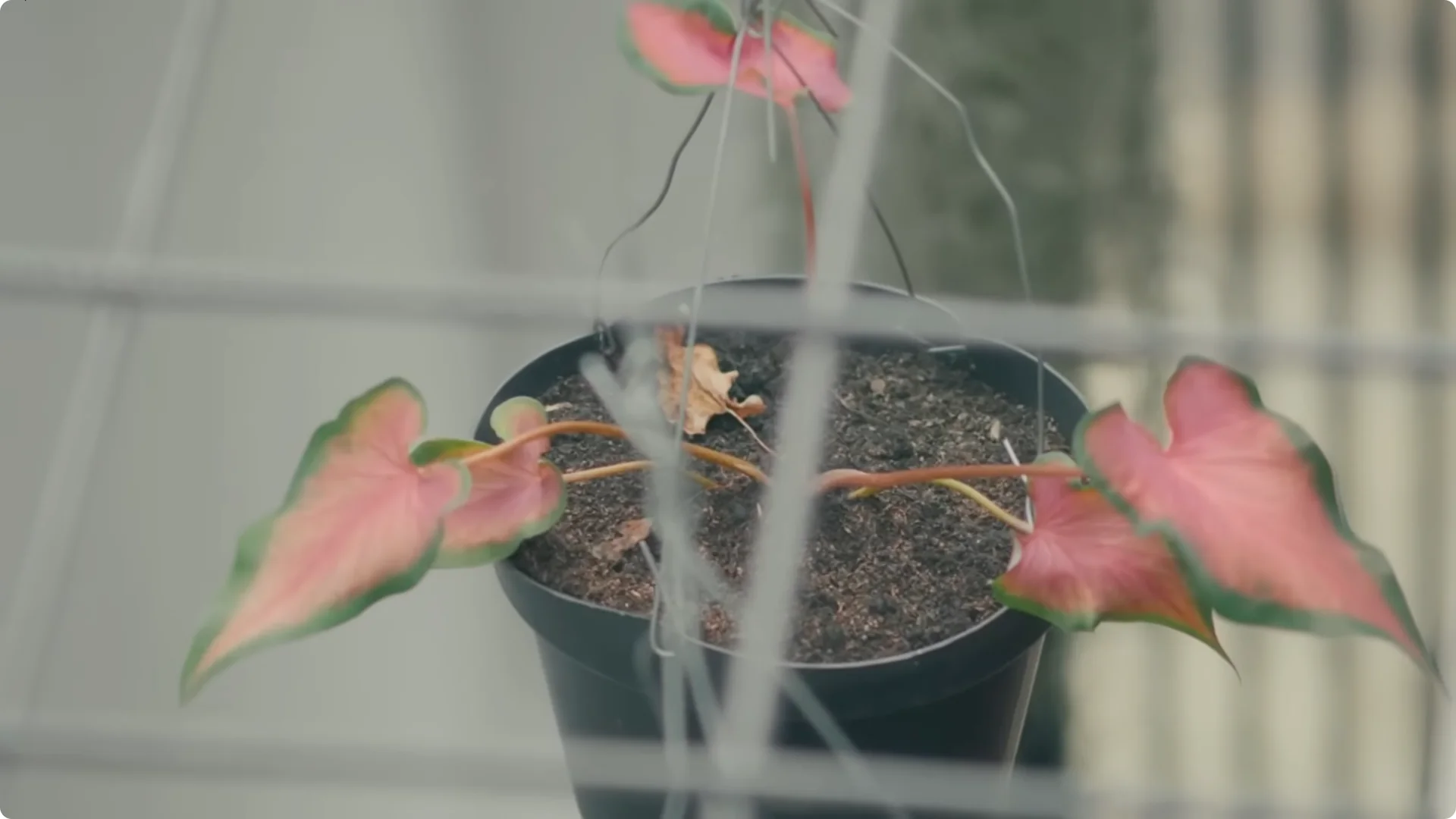
Direct rays are fatal to this beauty. It feels perfect deep inside a room where only soft reflected light reaches. Caladium is tuberous, and a real drama with a lesson in patience lies in its life.
In winter it may drop all its leaves, and an inexperienced grower might think life has left it. This is only a pause as the tuber gathers strength to return in spring with even more magnificent color. For water culture, aesthetes often use expanded clay pebbles to stabilize leaves while roots breathe.
7. Aglaonema
Aglaonema, often called Chinese evergreen, radiates quiet luxury and unwavering tranquility. In parts of Asia it is considered a living lucky charm that harmonizes a space. Its thick almost leathery leaves carry silver or marble patterns that seem hand painted.
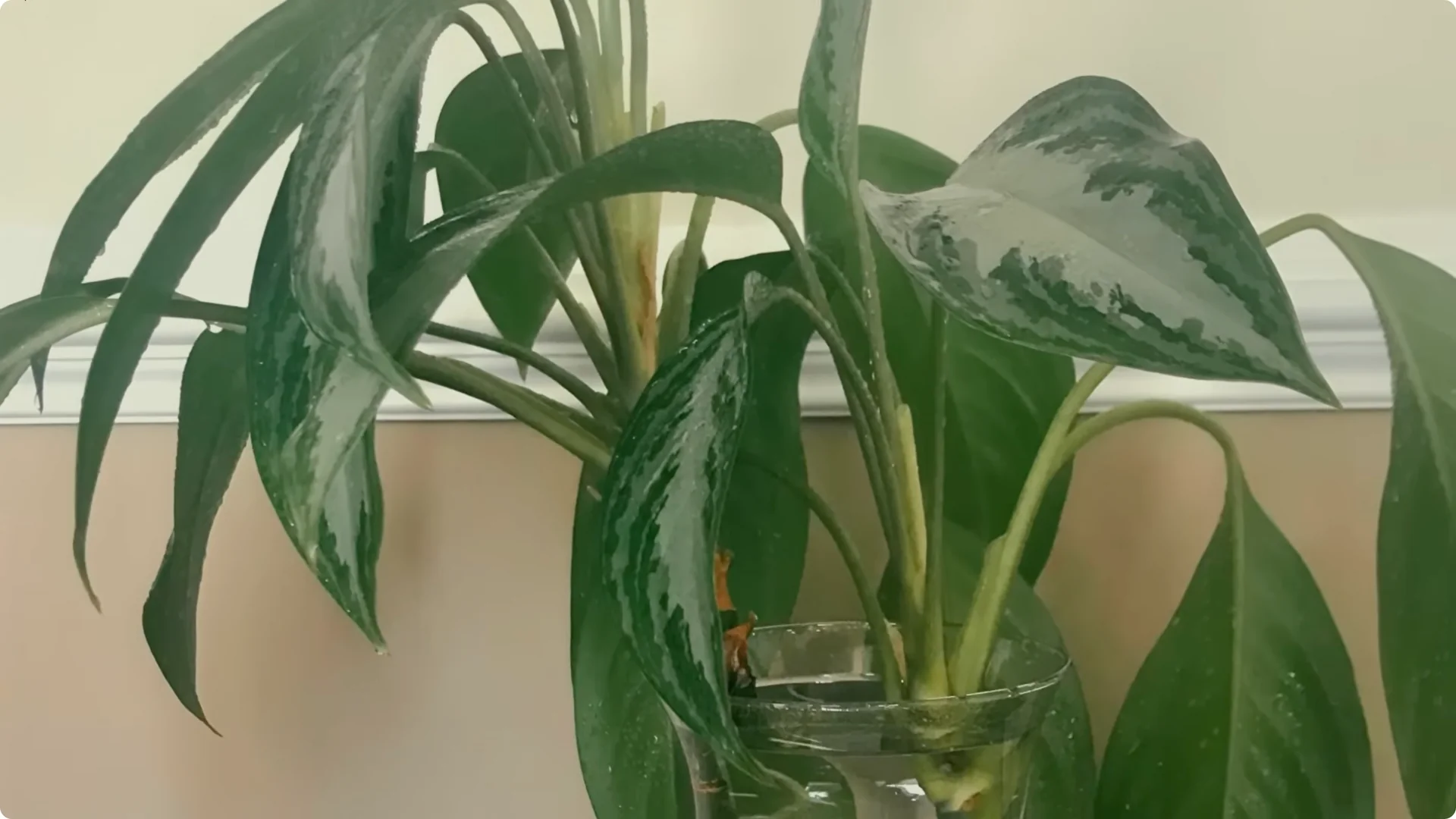
Born in the deep undergrowth of Asian jungles, it learned to photosynthesize in conditions many would call total darkness. Professionals with busy schedules adore it for an incredible ability to forgive. It can stand for months in a simple vase of water in a dark corridor while keeping flawless gloss.
There is a small trick when choosing a variety for dark zones. The darker and more saturated the green, the less light it requires for happiness. Variegated and pink varieties are slightly more demanding, yet remain faithful adepts of the water path.
8. English Ivy
English ivy carries the mood of classic novels and ancient castles. Its carved leaves weave into dense green carpets that create coziness and a sense of security. It comes from cool European forests where it clung to stone walls and trunks in fog and dampness.
This craving for coolness and shade makes it indispensable for vertical greenery in bathrooms. Growing ivy in water is meditative, and the key is choosing the right nodes for cuttings. From these points, roots appear and turn a simple glass into a work of art.
Ivy almost remembers the shape of the vessel and wraps around it with living lace. A natural defense is hidden in its elegance, so keep it on hanging planters or high shelves away from pets. It is for those who value traditions and want history woven from green threads.
9. Syngonium
Syngonium is a true chameleon and metamorph. It suits those who love dynamics and constant change, as young leaves resemble arrowheads and later divide like open palms. As a tropical vine it loves wet feet and feels right at home in water.
The growth rate of its roots can amaze even skeptics. One week a tiny white bump appears, and the next a complex network fills the vase. Designers love to place cuttings of different varieties in one transparent container for a living bouquet that never withers.
Syngonium can spill as a lush cloud or climb a support to shape green sculptures in shade. It gives quick results and visual abundance. Create a lush oasis without a garden or sunny terrace, and see how easily you can grow roots without soil.
10. Lucky Bamboo
Lucky bamboo has become a symbol of well being in offices and homes. A botanical twist awaits here, because it is not bamboo at all but Dracaena sanderiana that learned to disguise itself. Slender often spiraled stems can live for years in a vase of water.
In Feng shui, three stems bring happiness, five bring wealth, and seven bring good health. Its water care has nuances, as it needs minerals yet is extremely sensitive to chlorine. Decorative stones or pebbles in the vase add support and keep stems in elegant geometry.
Lucky bamboo fits zen interiors and modern minimalist spaces that value purity of lines. It proves that even the simplest branch in water can offer deep meaning and calm. This is the quiet finale of a low light water garden.
Low-Light Water-Grown Houseplants Care Rules
1. Hygiene
The water must remain clear like a mountain stream. Change it regularly and rinse roots every 7 to 10 days. This prevents odors and slime.
2. Temperature
Your water grown plants are natives of warm lands. Ice cold tap water shocks them. Always use room temperature water.
3. Light
Even shade tolerant heroes still need a little scattered light to sustain life. Complete darkness of a closed cabinet will not suit them. Aim for soft indirect light.
4. Immersion
Only roots or stem nodes should be in water. Leaves must stay dry or rot will begin. Keep water lines tidy and consistent.
5. Nutrition
Water lacks the minerals of soil. After a good root system forms, feed micro doses of liquid fertilizer. Start gently and watch for signs of excess.
6. Vessel
Transparent glass looks impressive, yet many roots prefer darkness. Ceramic vases or dark glass can speed up growth. Choose shapes that support stems securely.
7. Patience
In shade, biological processes slow down. Treat this as a philosophy, not a problem. Greening a home this way is real therapy.
Final Thoughts
Water and shade can support surprisingly vibrant life. Start with one cutting, play with vase shapes, and enjoy the calm of seeing roots through glass. With these secrets, there will be at least ten fewer dark corners in your home.