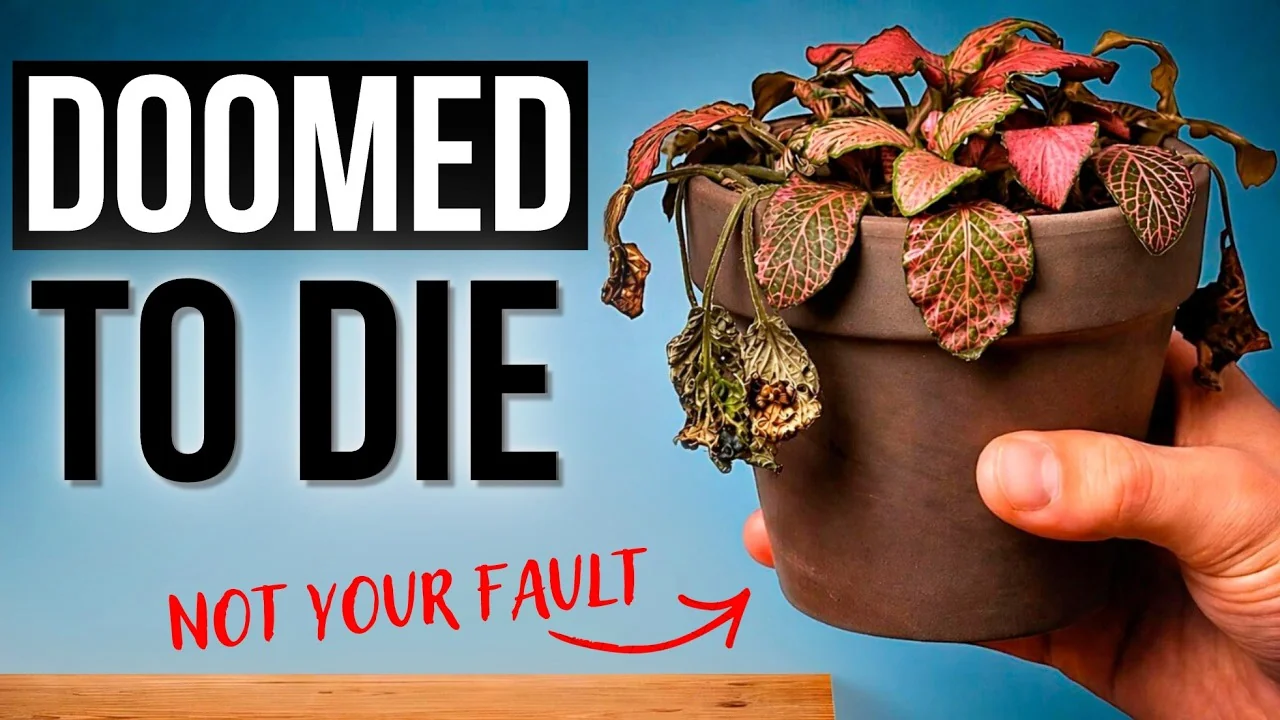
Few realize that the most stunning plants in garden centers are often nothing more than traps for your wallet and your sanity. The industry sells an aesthetic that is biologically incapable of surviving in most modern homes. We think we are bringing home comfort, but what we actually get is a slow decline that no amount of regular watering can stop.
I am exposing the doomed plants that look like a million bucks in the shop but turn into dry sticks within a month. I will also show you a zombie plant that might actually be dead on your shelf right now, even though it looks perfectly green. No, it is not what you are thinking.
1. Houseplants to Avoid: Venus Flytrap
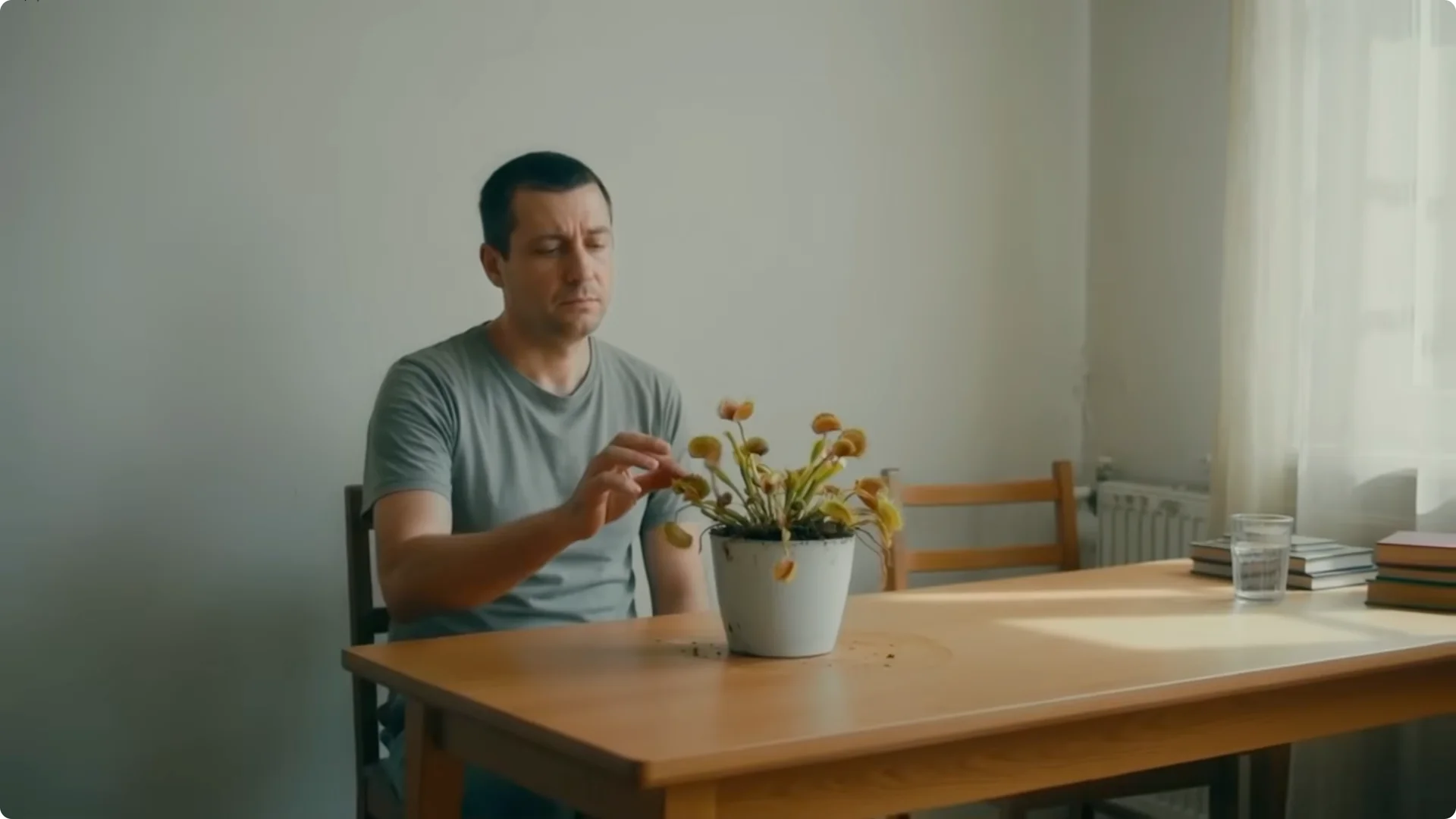
The Venus flytrap is the ultimate interactive plant that instantly catches the eye. It is often bought as an exotic novelty or a pet plant, especially in households with children. It seems like owning a predator that catches its own insects is a foolproof way to get rid of flies and have some fun.
However, behind this facade lie demanding requirements that sellers never mention. The biggest hurdle is water. Ordinary tap water or even filtered water is poison to it.
The Venus flytrap’s root system is adapted to nutrient poor bog soil. Any dissolved minerals cause an immediate chemical burn. You will have to provide it with nothing but distilled or rainwater.
Each mouth is only good for three to five snaps before the leaf dies off. Triggering the traps for fun without a meal exhausts the plant’s energy reserves so quickly that it stops growing. Treating it like a toy kills it.
The real deal breaker is dormancy. A Venus flytrap needs a three month rest at cool temperatures between 32 and 50 F. In a warm apartment it keeps burning energy without enough light and by spring it vanishes from your collection.
This is not a houseplant in the traditional sense. It is a demanding project for a cold balcony or a specialized terrarium that requires a professional approach.
2. Houseplants to Avoid: Philodendron Pink Princess
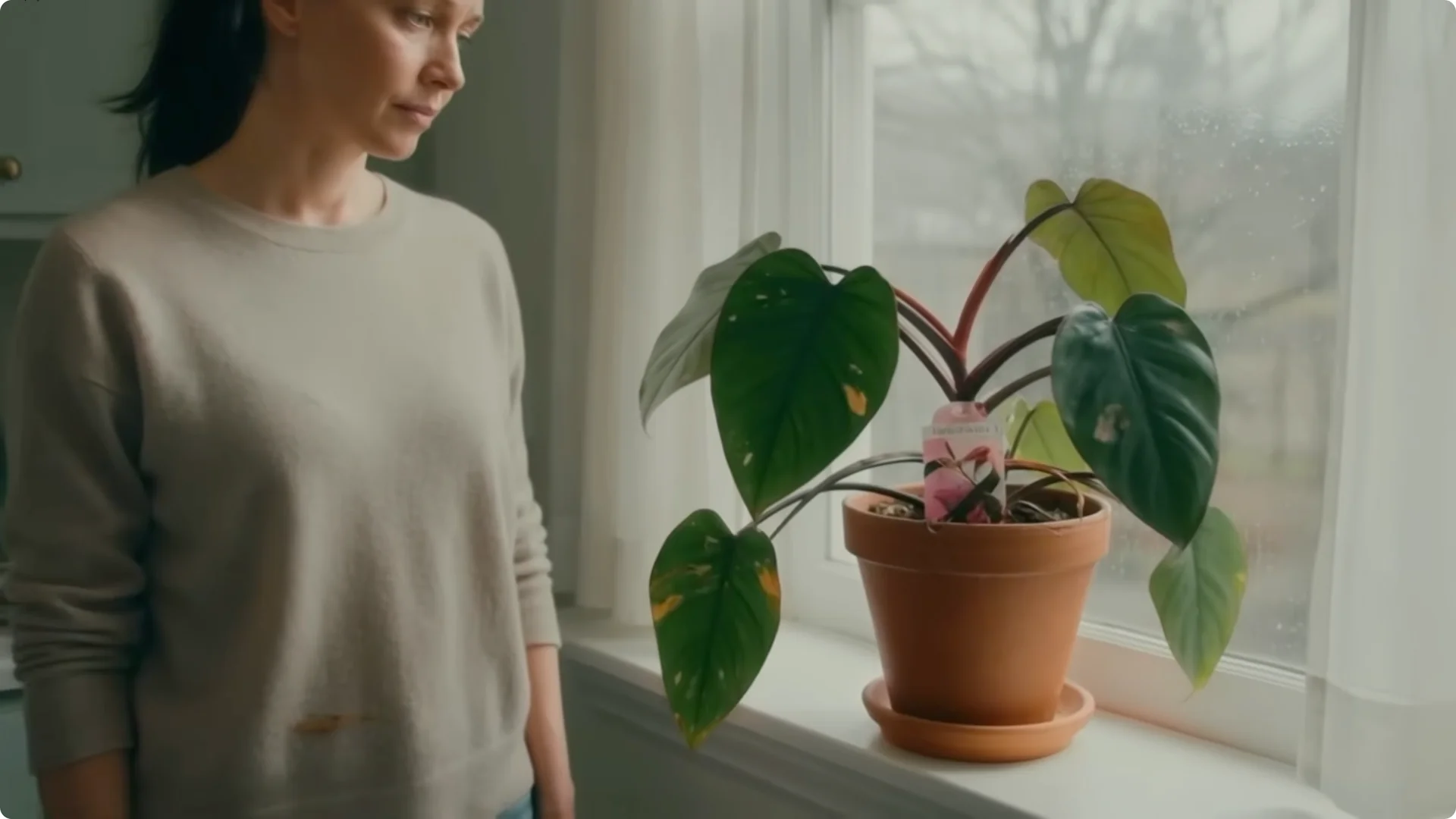
The Philodendron Pink Princess is a social media sensation and a symbol of plant luxury. Its dark nearly black leaves with vibrant pink splashes are so striking that cuttings sparked bidding wars. You expect that perfect half moon look where the leaf is split evenly between pink and black.
The reality is that you are paying for a genetic lottery where the odds of winning trend toward zero over time. Pink variegation is a chimeric mutation that is notoriously unstable. Those pink patches lack chlorophyll and do not photosynthesize, so the plant must support them using its green zones.
If there is too much pink, the plant weakens from lack of energy. If there is too little light, the philodendron flips into survival mode and pushes out basic dark green leaves, losing its uniqueness entirely. This process is called reversion and it is incredibly difficult to stop.
In the end, your expensive showstopping specimen often turns into a dull plant with muddy brown patches. You are buying an aesthetic that can vanish at any moment with no way to get it back. Maintaining its beauty requires a perfect lighting balance that is nearly impossible to strike in a typical apartment.
3. Houseplants to Avoid: Calathea Orbifolia
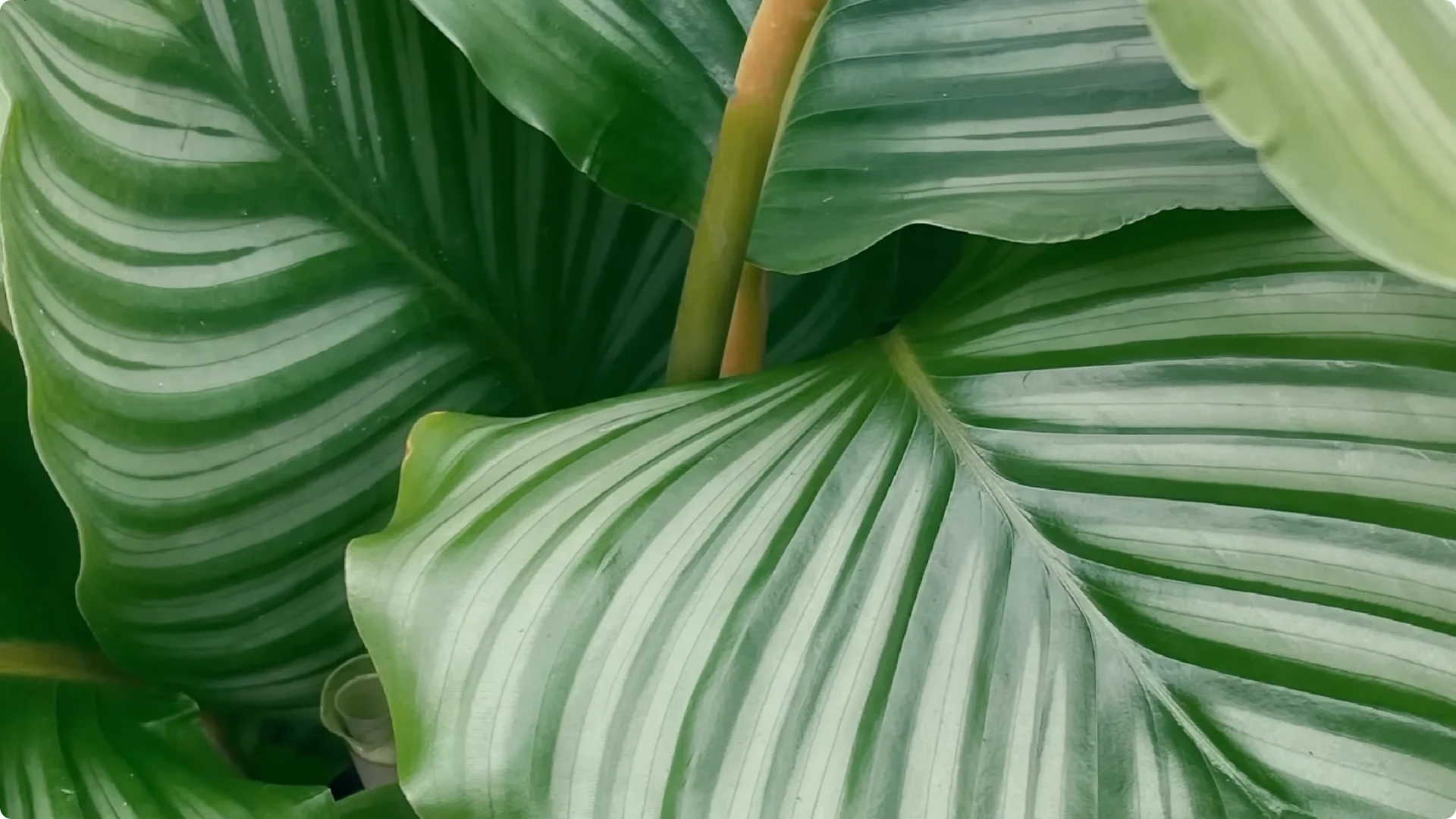
Calathea orbifolia is the gold standard of tropical shrubs. Its massive rounded leaves with silver green patterns create an instant jungle vibe and look very high end. However, this plant is one of the single greatest sources of stress.
In nature, calatheas grow in the forest understory where humidity rarely drops below 80 percent. In a city apartment, especially during heating season, this figure plummets to critical lows. Because of the enormous leaf surface, moisture evaporates faster than the roots can replenish it, so the edges turn brown and brittle.
Furthermore, the orbifolia is extremely sensitive to water quality. Chlorine and fluoride in city tap water show up instantly on the foliage as ugly spots. For troubleshooting, see how to fix brown leaf tips.
It demands constant attention, humidifiers, soft water, and an absolute lack of drafts. Even with meticulous care, it is a magnet for spider mites, which love dry air and succulent leaves. If an outbreak hits, move fast to eliminate red spider mites before they shred new growth.
Keeping a perfectly clean, undamaged specimen in a typical home is almost impossible. Instead of a lush room accent, you get a high maintenance diva that reminds you your home is a desert to her. It is an endless battle for beauty that the plant usually loses.
4. Houseplants to Avoid: String of Pearls
String of Pearls or Senecio rowleyanus is a staple of modern scandi or boho interiors. Its strands of green peas look perfect in hanging planters cascading in a striking waterfall. It is also one of the most frustrating plants to keep alive long term.
The core issue is the clash between its biology and how we use it for decor. We hang these planters high to enjoy the trailing vines, so light hits the strands while the soil surface remains in shade. For this African succulent, the sun must hit the crown to dry the soil quickly.
Its roots are incredibly fine and shallow, so even slight moisture buildup in shade leads to rot. The pearls store water for months of drought, so overwatering in a poorly ventilated spot turns the plant to mush in days. It starts balding at the base, the stems detach from the roots, and at that point the plant is beyond saving.
You buy a green waterfall, but months later you are left with a half empty pot and a few struggling strings. This plant needs bright light in the right places, which is nearly impossible with standard shelving or hangers. One wrong move with the watering can and your pearls are headed for the trash.
5. Houseplants to Avoid: Juniper Bonsai
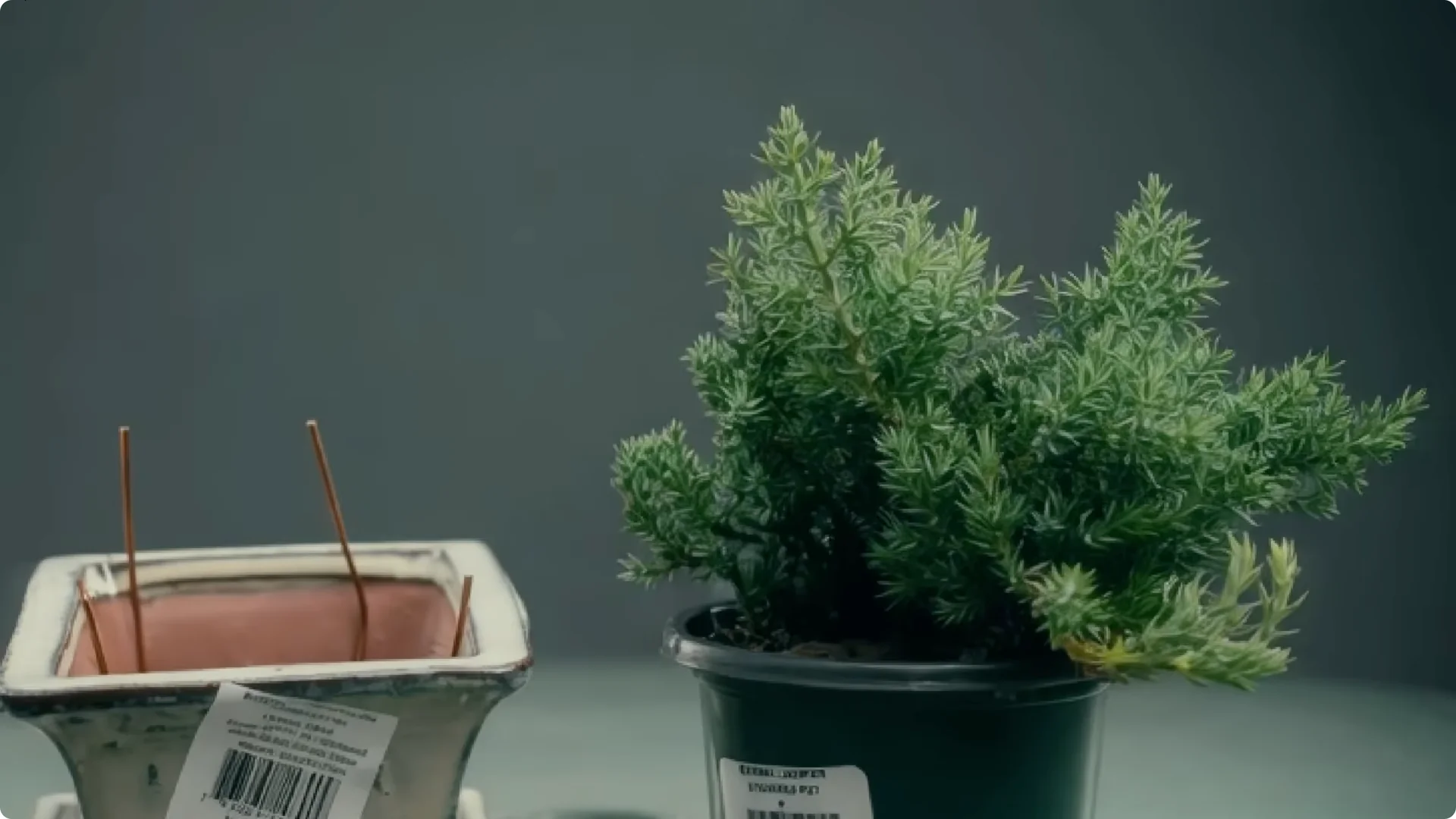
The juniper bonsai is marketed as a symbol of tranquility and the ultimate gift. A tiny ancient looking tree in a ceramic pot has an incredible allure. This is also where we run into that zombie plant.
Conifers can stay green for weeks after the root system has failed. You might buy a tree that is already dead, yet it looks fresh until its internal moisture reserves are spent. Junipers are outdoor trees from temperate climates that need the changing seasons.
They require a true cold winter, ideally with snow and freezing temperatures, to enter dormancy. In a warm apartment the tree cannot rest, so it keeps burning energy to maintain needles until it is depleted. You simply cannot recreate a forest environment on a kitchen table.
Buying such a bonsai for your interior is essentially buying a very expensive slow drying bouquet. By the time needles start dropping or feel brittle, the point of no return passed a month ago. It is a perfect example of how this tree’s biology clashes with indoor gardening, making success virtually impossible.
6. Houseplants to Avoid: Stromanthe Triostar
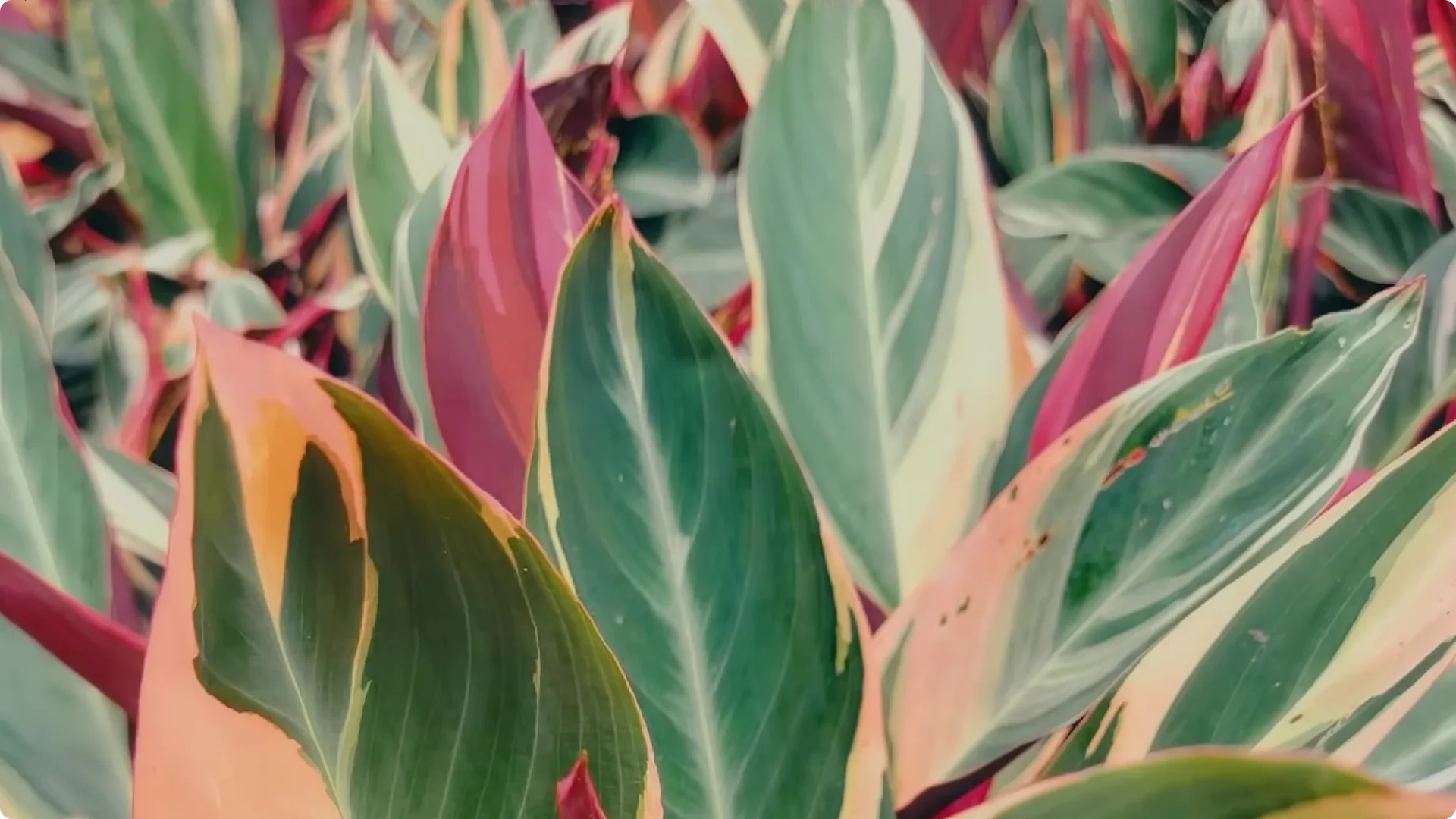
The Stromanthe Triostar is a true showstopper that can serve as a room’s primary color accent. Its leaves painted with white and cream brush strokes and crimson undersides are constantly in motion, folding upward at night. This staggering beauty comes at a staggering cost.
Like all prayer plants, the Stromanthe is incredibly demanding about the balance of light and humidity. The white portions are the most delicate zones and they lack chlorophyll. The slightest draft, a drop in humidity, or a brief delay in watering causes dry brown spots on those stunning white patches.
The plant behaves like a diva. If conditions are not perfect, it loses its aesthetic appeal rapidly. Leaf tips curl and edges become ragged and necrotic.
In a couple of months, a lush Triostar can turn into a disheveled eyesore. To keep it in shape, you need more than a humidifier. You need near greenhouse conditions with constant circulation of moist air.
In a standard home, this becomes a daily battle for survival where every new leaf might emerge pre damaged. This is a plant for someone ready to devote time to monitoring environmental variables. Otherwise disappointment sets in long before you enjoy its look in your interior.
7. Houseplants to Avoid: Alocasia Jacqueline
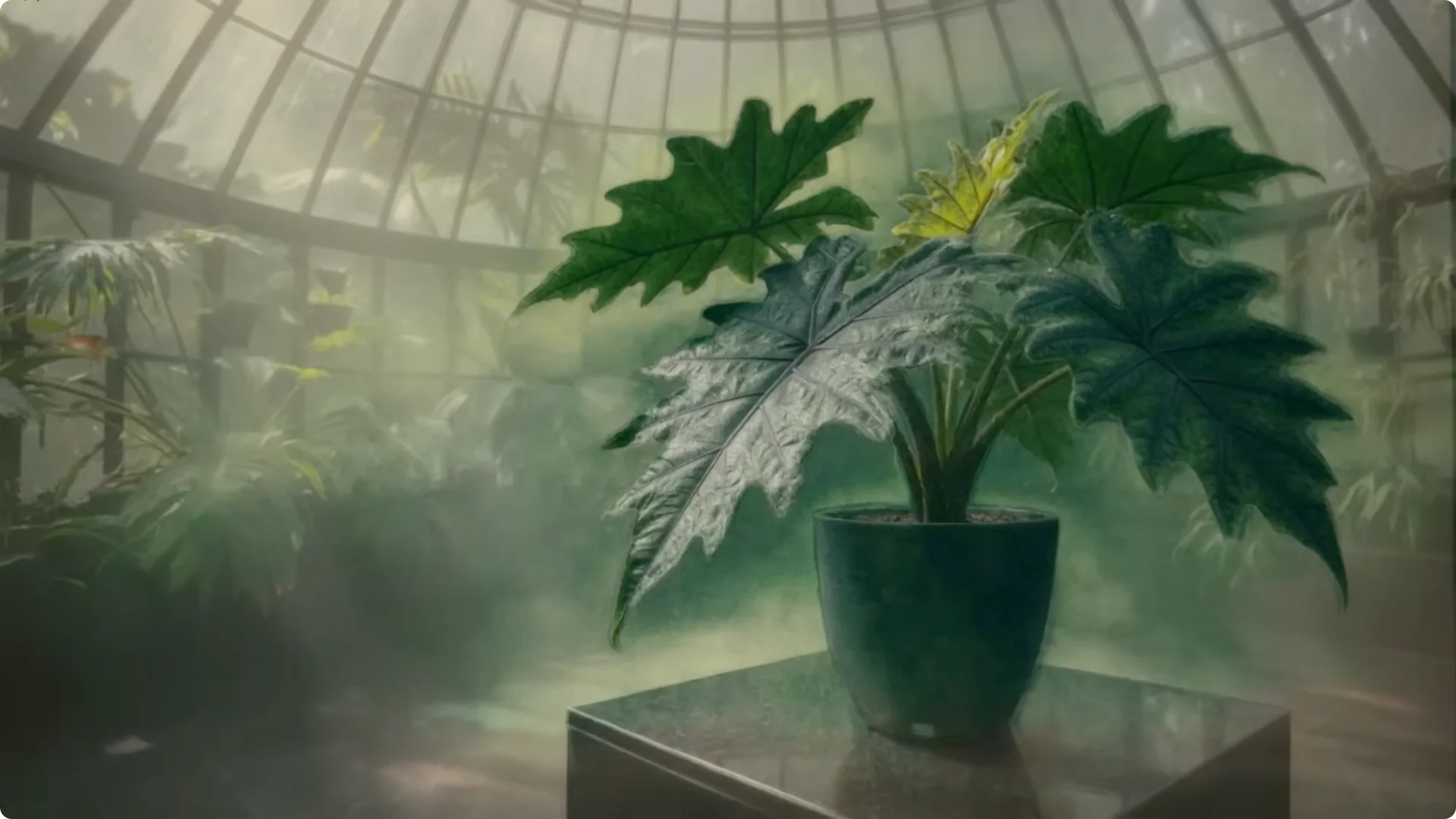
The Alocasia Jacqueline looks like it was plucked from another planet or a prehistoric jungle. Its deeply lobed arrow shaped leaves have incredible texture covered in fine hairs and etched with a network of dark veins. It is a prized find for those seeking the exotic and aiming to make a bold statement.
Behind this otherworldly appearance lies one of the most temperamental personalities in the aroid world. Alocasias are not known for being easygoing, but the Jacqueline takes it to the extreme. Safety is also a concern since it contains calcium oxalate crystals that can cause severe irritation.
The main issue is hyper sensitivity to environmental shifts. It grows from a tuber and its succulent petioles are pumped full of water. With the slightest overwatering or drying out, the leaf cells can burst, leaving spots that turn into holes.
Its most frustrating trait is the tendency to go into dormancy at the first sign of stress. A draft or a minor temperature drop can cause the plant to quit, dropping all its magnificent leaves at once. You buy an expensive collector’s item and end up with a pot of bare dirt a week later.
It is an unstable investment that demands not just experience but a near laboratory microclimate. Any slip shows up immediately on the foliage. Few homes can deliver that level of control.
8. Houseplants to Avoid: Majesty Palm
The Majesty Palm is a popular way to quickly and cheaply fill an empty corner with a massive cloud of greenery. At big box stores these five to six ft palms cost next to nothing compared to monsteras or large ficus trees. This affordability is part of a calculated business model.
These palms are mass produced in open fields under scorching sun with vast amounts of water. When you bring one into your apartment, you are signing its death warrant. The execution is slow.
A typical living room is catastrophically dark for it. Even if you think your place is bright, for a Majesty Palm it is twilight. It cannot produce enough energy to sustain its massive green mass.
The plant begins to consume itself. The lower leaves yellow and dry one by one until only a couple of pitiful fronds remain. It also needs roots that are constantly moist but not rotting, which is nearly impossible with home watering.
Buying this palm is not an acquisition of a houseplant. It is a long term rental of decor. You are paying for its long sad farewell to life that lasts months at most.
9. Houseplants to Avoid: Nerve Plant
The nerve plant Fittonia is small and compact with stunning patterns of pink, red, or white veins. It is often recommended to beginners because it knows how to communicate. When it needs water, it abruptly loses turgor and collapses in a dramatic faint.
Many find this cute or amusing, but there is nothing good about this communication. Physiologically, every faint is a serious micro stroke for the root system. Fittonia lack water storage tissues and their delicate feeder roots are the first to die during each dry spell.
If you allow five or six wilting cycles, the plant loses its ability to recover. At some point you water it after another faint, but it will not stand back up. The dense carpet of vibrant leaves goes bald and stems stretch into semi dry sticks with tiny leaves at the tips.
In a typical apartment with dry air, the nerve plant lives in a state of constant stress. Without a closed terrarium, a glass cloche, or a specialized display case with stable humidity, it becomes an endless game of will I make it with the watering can today. It is too much trouble for a small plant that loses its looks faster than you get used to having it around.
10. Houseplants to Avoid: Lithops
Lithops or living stones are evolutionary marvels from the deserts of Namibia. They are tiny, quirky, and resemble decorative pebbles, perfect for narrow window sills. Marketers pitch them as ideal for those who forget to water.
The paradox is that Lithops do not die from neglect, but from excessive care. Their life cycle follows a rigid schedule where watering at the wrong time is an instant death sentence. The most critical moment is molting when a new pair of leaves emerges from the fissure between the old ones.
The new leaves draw moisture from the old ones and watering during this time is strictly forbidden. Psychologically, this is hard to endure because the plant shrivels and looks nearly dead. You must ignore it for months.
Most people crack and offer one tiny sip of water. The Lithops then bursts from internal pressure or turns into formless mush overnight. This plant is not about care but about self control.
If you express love for plants through a watering can, Lithops will disappoint you. They require a cold clinical indifference. A single wrong decision in winter can destroy years of waiting.
Houseplants to Avoid: Why Stores Sell Them
A logical question arises. Why keep selling species that die so often. The answer is simple and cynical.
It is replacement marketing. The industry thrives on you buying a new plant to replace the one that died. A pretty picture makes you believe a Majesty Palm will feel like it is in paradise at home, but biology always wins.
Houseplants to Avoid: Two Rules For Choosing Plants
1. Check the plant’s natural habitat. If the description mentions riverbanks of Madagascar or peat bogs of Carolina, that is a red flag. Our homes have dry air from radiators and concrete walls, not rivers or bogs.
2. Check toughness by the leaves. The thicker, firmer, or more leathery the leaf, the better the chances the plant will forgive care mistakes. Thin, translucent, or fuzzy leaves usually signal extreme humidity needs that are hard to provide without specialized equipment.
Houseplants to Avoid: Smarter Alternatives
For every temperamental diva on this list, there is a reliable and equally beautiful alternative. If you dream of a massive tropical palm but do not want the agony of a Majesty Palm, look into the Kentia palm or Howea. It costs more, but it is an heirloom plant that grows slowly and tolerates shade and dry air.
If you are drawn to the graphic patterns of Calathea orbifolia, try an Aglaonema. Modern Aglaonema varieties are stunning in their diversity of patterns and colors. They are virtually indestructible and handle fluctuating conditions with grace.
Instead of finicky Fittonia that demands steam room humidity, get an Epipremnum or Scindapsus. These vines grow at breakneck speed, forgive weeks of drought, and look magnificent in any interior. For a broader starter list, see our guide to hard to kill houseplants that actually thrive.
Final Thoughts
Your home is not a conservatory or a botanical garden, and that is perfectly fine. You should not have to become a slave to humidity and distilled water. Choose plants that love you back and are ready to thrive in the conditions you can provide.