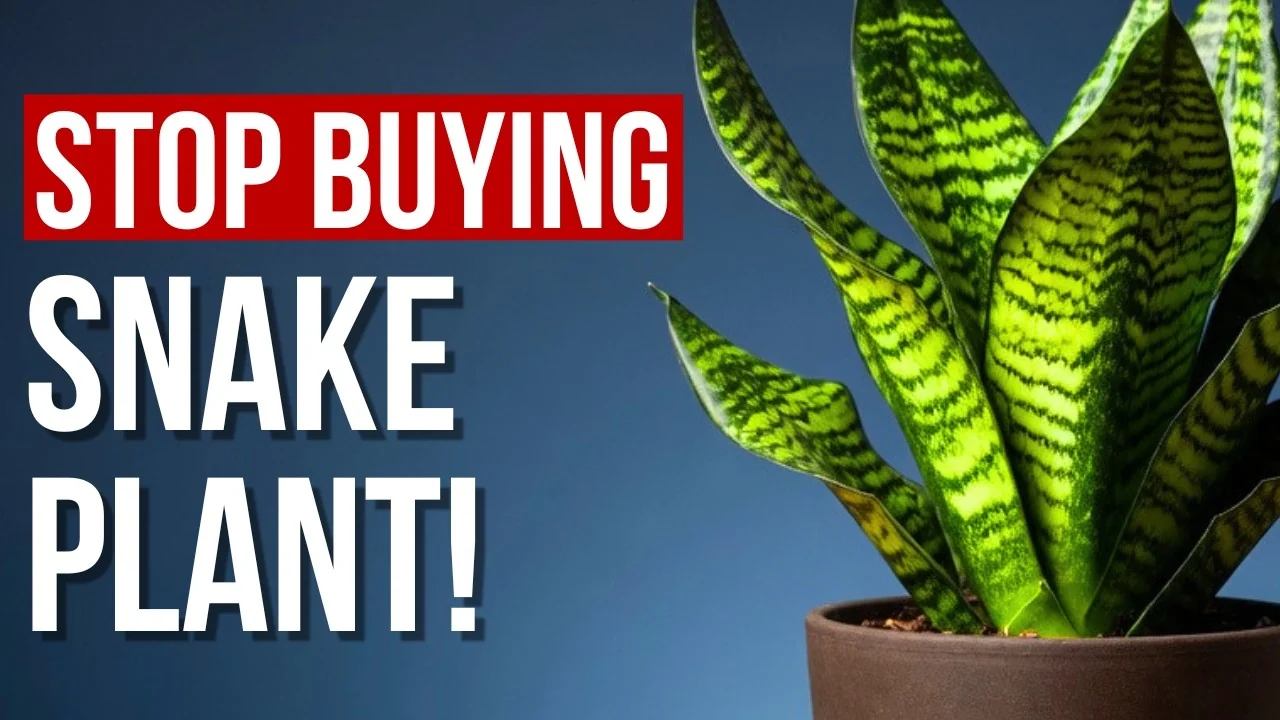
Few people know that the snake plant, arguably the most popular houseplant in the world, is far from what it appears to be. For decades, marketers have cultivated an aura around it as the perfect companion for the lazy. We have been led to believe it could survive in a shoe box, sold as the ultimate savior for those who cannot even keep a plastic plant alive.
Yet, it is this very half truth that leads to thousands of silent deaths in our homes every year. I am going to reveal the secrets about this plant that sellers keep quiet. I will explain why this style icon might become your biggest disappointment if you are not prepared for its specific biology and stoic nature.
This is about the reasons why you should think twice before buying a snake plant. If you tend toward overprotectiveness in your relationships with people or pets, the so called helicopter parenting, then the snake plant will become your ultimate gardening tragedy. The root of the problem lies in biology.
1. Snake Plant Care Pitfalls Water and Roots
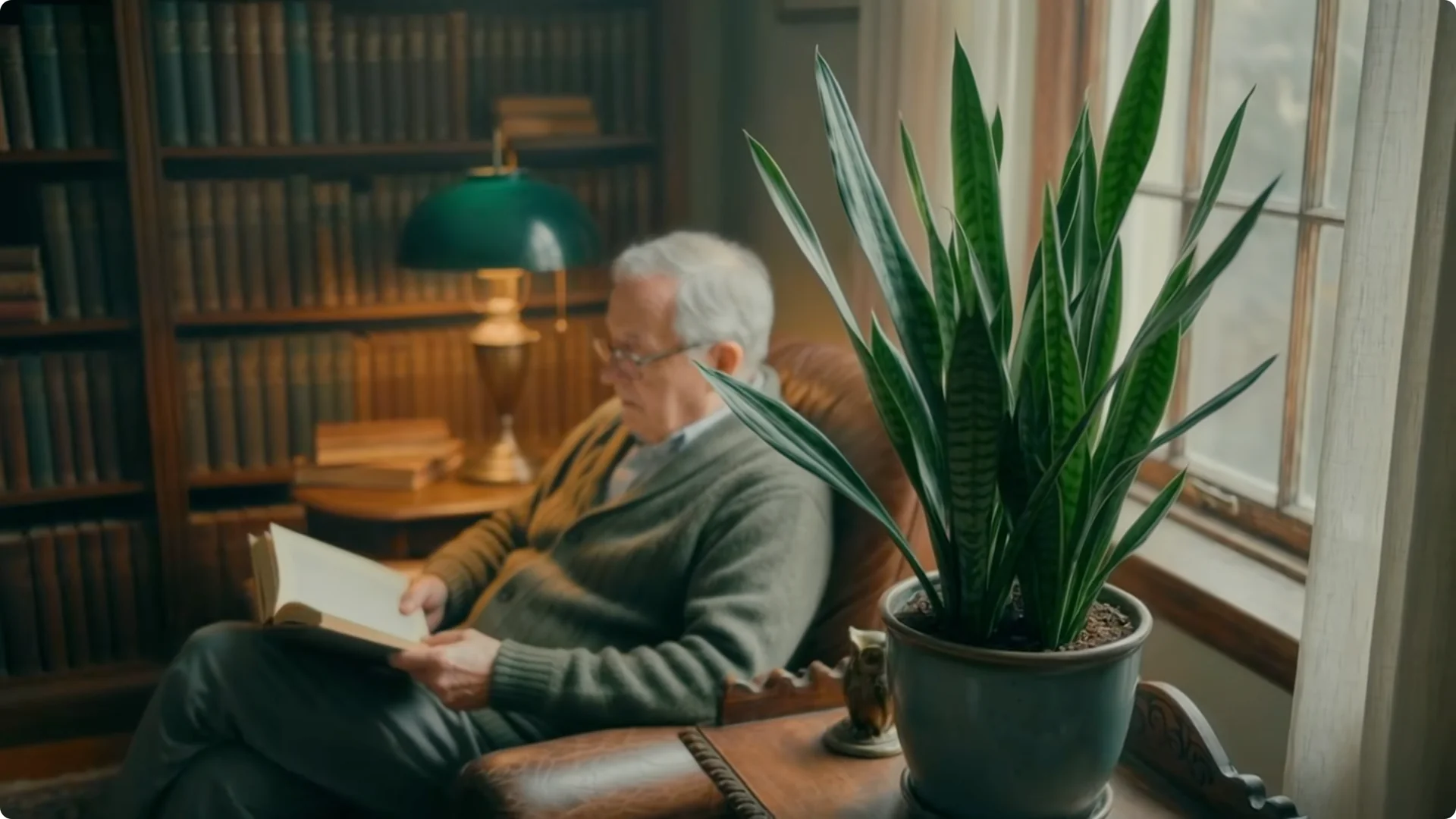
This plant uses a specific metabolic pathway, CAM photosynthesis. Unlike most of your green charges, it breathes and opens its stomata only at night to minimize moisture loss in the arid regions of Africa. During the day, it is literally locked tight.
It does not drink water at the pace you are accustomed to. If you enjoy starting your morning with a cup of coffee and perking up your plants with an extra glass of water, you are committing slow motion murder. To a snake plant, your care is poison.
Over the course of evolution, its roots have learned to seek out rare droplets of moisture in the sand. They are covered in a delicate protective layer that breaks down in conditions of constant dampness. In a standard flower pot, overwatering causes water to displace oxygen.
Without it, the roots begin to rot at a catastrophic speed, a process that becomes irreversible in just 48 hours. The plant is literally suffocating in your love. My main advice, if you want it to survive, you must learn the art of professional neglect.
Forget the once a week schedule. Use the chopstick test. Push a wooden chopstick all the way to the bottom of the pot, and if there is even a hint of damp soil on it, forget the watering can for another week.
This plant is an introvert that does not need your hugs. If your plant already looks weak or you suspect root damage, see how to revive a declining snake plant before it crosses the point of no return. Let the soil dry to bone dust between waterings.
2. Snake Plant Care Pitfalls Pets and Toxicity
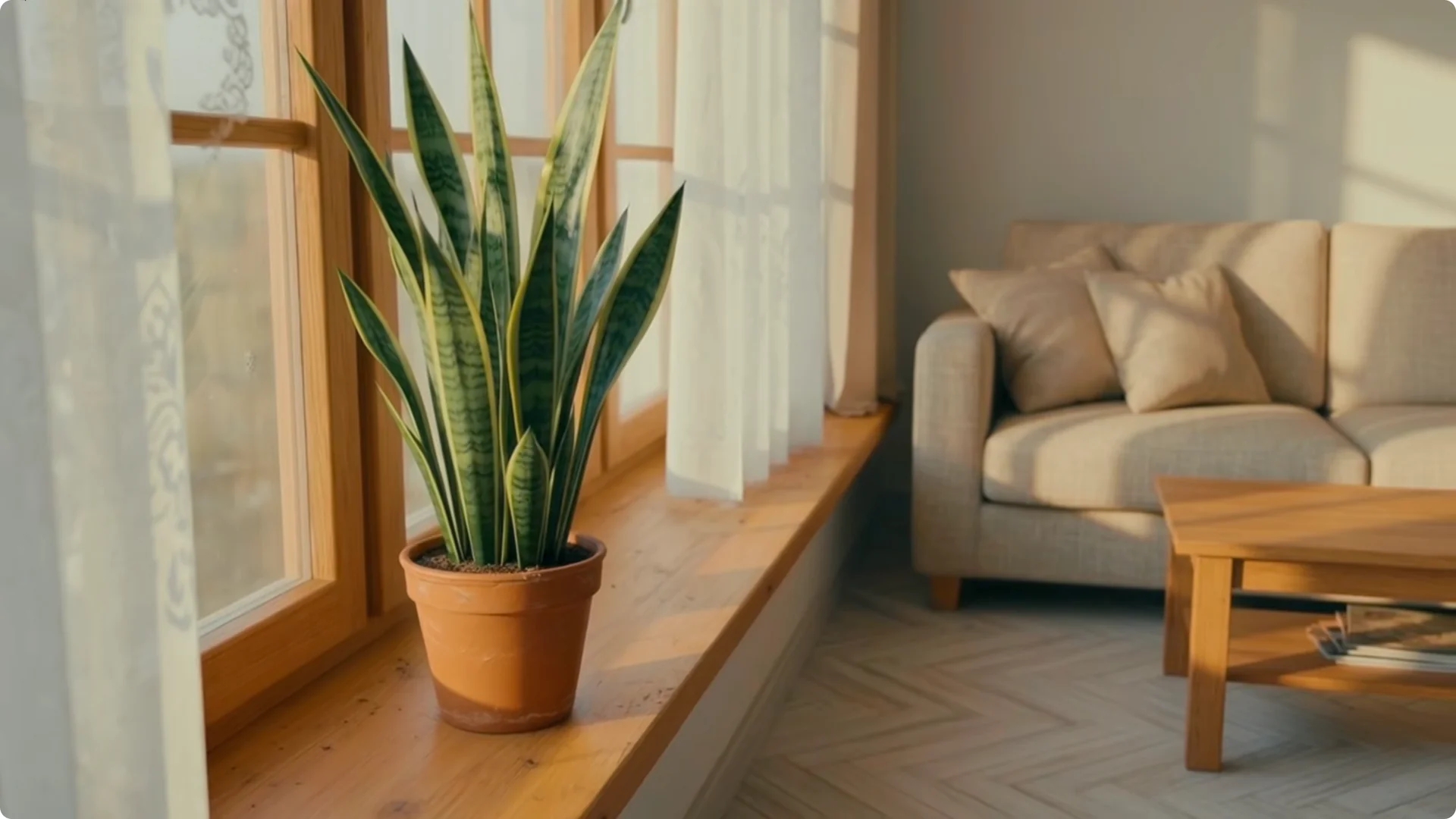
In the US and Europe, home safety is a top priority, and here the snake plant plays the role of a double agent. It has an architectural and clean aesthetic, yet it is officially classified as a moderately toxic plant. Saponins are hidden within its sword like leaves.
In the wild, this is a brilliant defense mechanism. These chemical compounds act as a natural fungicide and insecticide, deterring anyone who might decide to snack on them. But for your cat or dog, this becomes a serious problem.
When they come into contact with mucous membranes, saponins create an effect similar to that of a strong detergent. If your pet tastes a crunchy leaf, the consequences can be frightening. You may see excessive drooling, swelling of the throat, vomiting, and diarrhea.
Why is this particularly important for the snake plant? Because of its form. Heavy pots are most often placed on the floor, directly within reach of curious noses.
Cats are attracted to the tough vertical texture of the leaf, which is pleasant for rubbing their teeth against. If you cannot guarantee that your pet is a model of discipline, this plant will become a source of stress and veterinary bills. In that case, you are better off looking at a spider plant or calatheas.
3. Snake Plant Care Pitfalls Light and Variegation

The low light plant label is the most successful and at the same time the most deceptive marketing trick used by big box stores. Yes, the snake plant is extremely hardy, but it is vital to understand the difference between surviving and thriving. When you place it in a dark corner of a hallway or a windowless bathroom, you are forcing it into a state of deep stagnation.
It is like trying to live on five percent phone battery in ultra power saving mode. The science is simple. No light means no energy for photosynthesis.
In the shade, the plant stops growing entirely. But the most disappointing part for the owner is the loss of its beauty. Those legendary yellow and silver stripes on the leaves, variegation, are the result of chloroplasts working under good lighting.
In the dark, the plant begins to produce excess chlorophyll in a panic to catch even a single stray photon. As a result, your expensive variegated plant turns into a common dark green bush. Furthermore, a process called etiolation begins.
New leaves, if they appear at all, will grow thin, long, and weak. They will not be able to support their own weight and will start to flop over untidily. If you are already seeing weak growth or tip flop, learn the common causes of brown or drooping leaves on snake plants and how to correct them.
If you want that Instagram worthy look, forget about the corners. Its ideal spot is bright, indirect light, where it can showcase the full power of its geometry. Bright indirect exposure preserves variegation and form.
4. Snake Plant Care Pitfalls Leaf Tips and Aesthetics
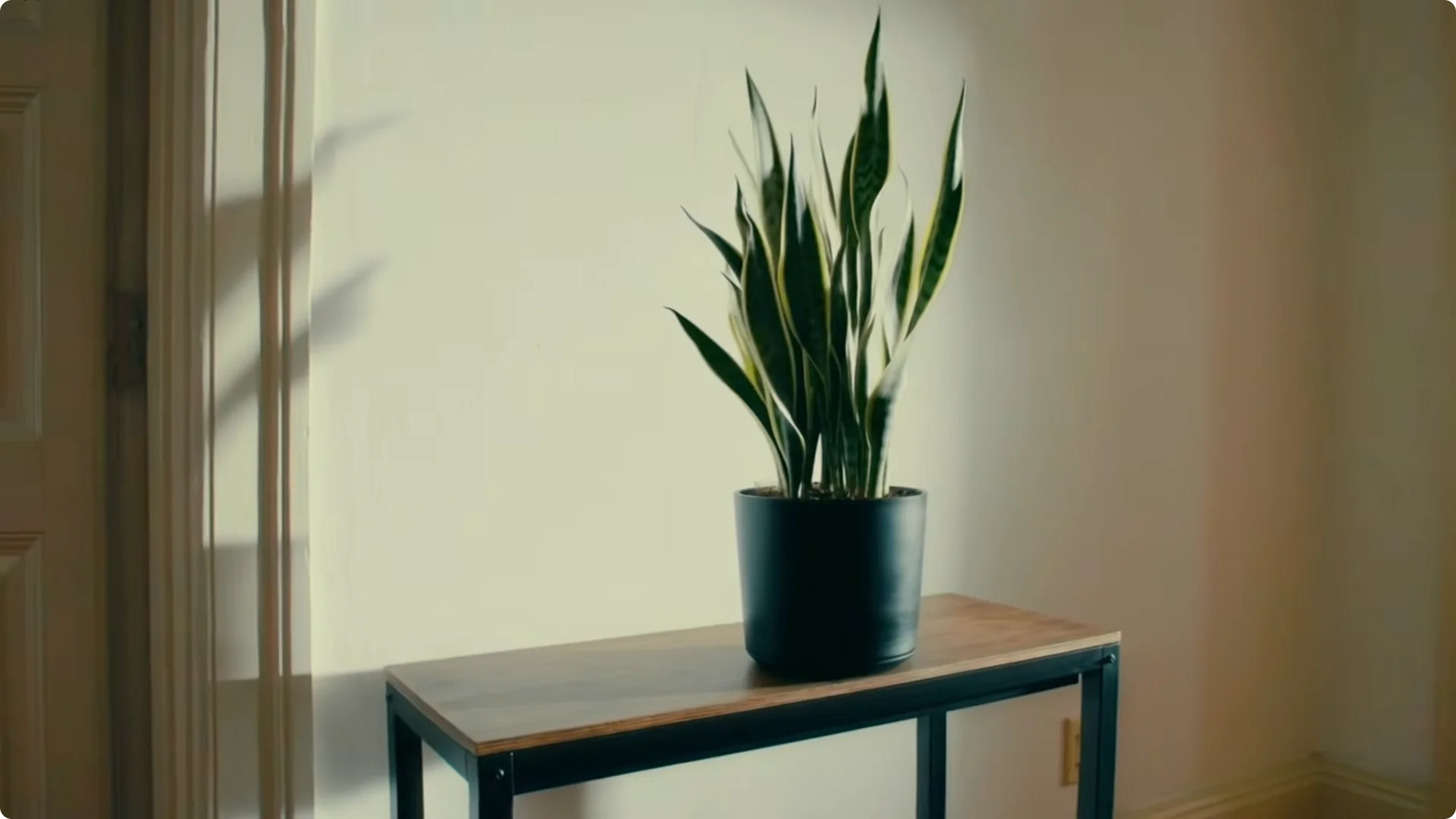
The snake plant has a unique anatomical feature that store consultants never warn you about. Each of its leaves is crowned with a sharp needle like tip. This is the apical meristem, the single point responsible for the leaf’s vertical growth.
This is where the tragedy begins for a perfectionist. If you accidentally snag the tip with a vacuum cleaner, if a child snaps it off while playing, or if you damage it in the car on the way home from the store, the growth of that specific leaf stops forever. It will stay green and live for years, but it will permanently retain that awkward, truncated look.
Imagine a living sculpture of vertical lines in your room, and one of them suddenly cuts off midair. It is visual noise that cannot be fixed. Unlike a ficus or a monstera, which can be pruned to encourage branching, a snake plant does not respond to such correction.
The only way to restore the plant’s perfect appearance is to cut the damaged leaf off entirely at the base. Considering how slowly it grows in a typical apartment, recovering that lost volume can take a couple of years. If your home is a zone of high activity, children, and domestic chaos, your snake plant will quickly turn into a battered wreck with mangled peaks.
5. Snake Plant Care Pitfalls Cold and Drafts
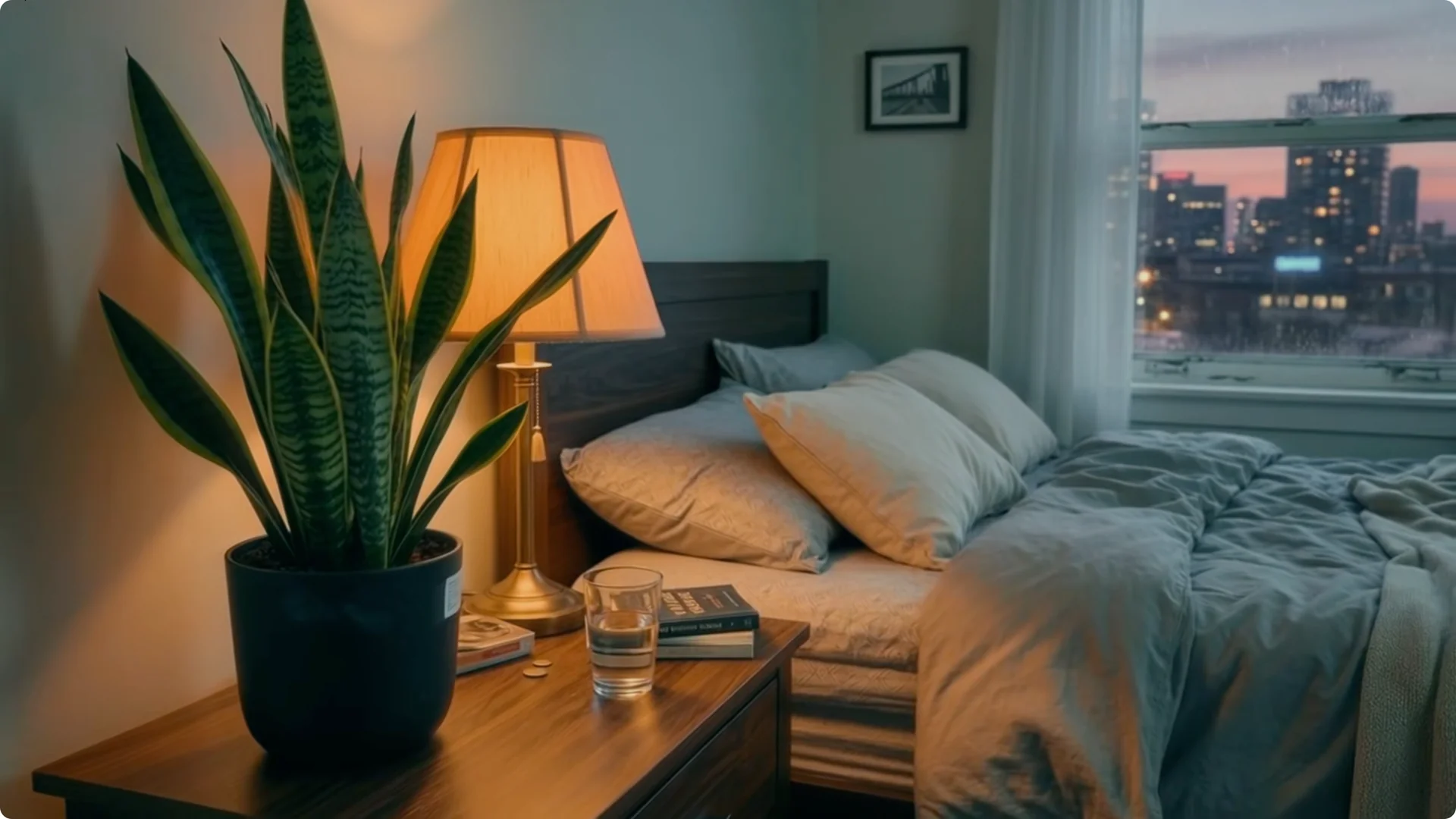
If you live in New York, London, Toronto, or any other city where winter is a genuine ordeal, your snake plant is in a high risk group. We often forget that this plant is a native of tropical West Africa. In Nigeria or Congo, it never encountered the concept of a window draft.
For this succulent, temperatures below 55 to 60 degrees Fahrenheit are not just a discomfort, they are a signal to halt all vital processes. The physics is simple. At low temperatures, the plant’s metabolism freezes, but the worst happens when cold meets moisture.
If you blast the room with icy air on a freezing evening while the soil is even slightly damp, you are creating a lethal cocktail. The water in the substrate cools faster than the air, turning into an icy mass that ruptures the root cells. Unlike deciduous trees of your region, the snake plant lacks tissue regeneration mechanisms.
You will find out about the disaster too late. The leaves will become watery, take on a grayish tint, and begin turning into a soft mush. This process is known as cold rot of the rhizome, and it is impossible to fix.
In a single freezing night, a designer interior element turns into organic waste. If your windowsill is a battleground for drafts, choose something more adapted to northern latitudes. Protect from cold air and wet soil at the same time.
6. Snake Plant Care Pitfalls Scars and Perfectionism
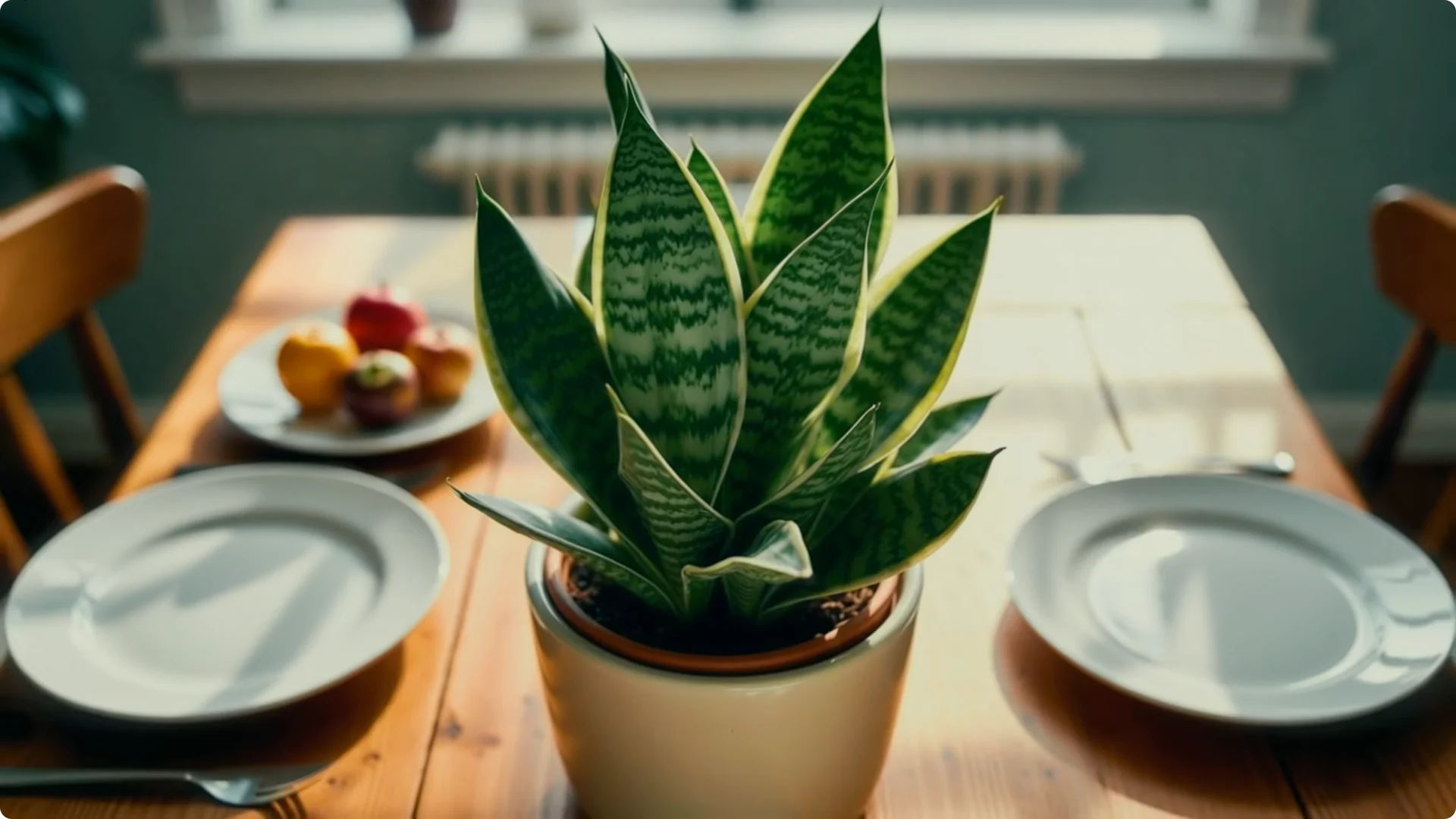
The snake plant is a plant for those prepared to live with the past. In the world of indoor jungles, there are species that forgive your mistakes. That trick will not work with a snake plant.
Here, we are dealing with one shot aesthetics. Each leaf is an architectural object that grows incredibly slowly. If you snag it with a bag, scratch it while moving, or your pet leaves a few tooth marks, those scars are staying with you for the next five to ten years.
The plant does not know how to heal wounds with new green tissue. It simply dries out the edges of the damage, turning it into a brown spot that will be a daily eyesore. This makes the snake plant a poor choice for perfectionists or owners of small apartments with narrow hallways.
Any carelessness turns an expensive sculptural bush into a battle worn plant that cannot be patched up. The only radical fix is to cut the leaf at the base, but then you compromise the density of the arrangement. Every mark is permanent until replaced by entirely new growth.
7. Snake Plant Care Pitfalls Feedback and Silence
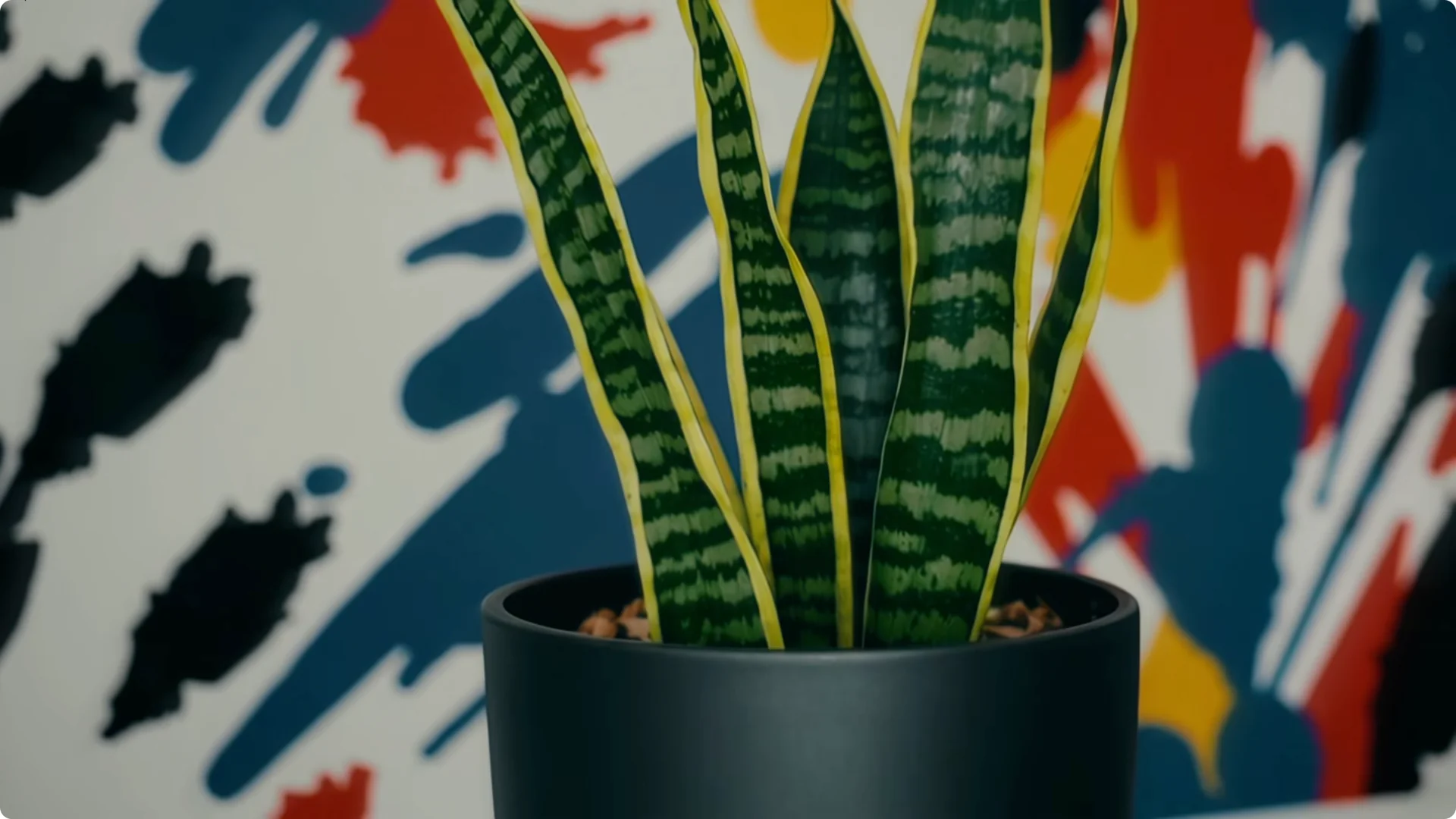
For a beginner grower, the most important thing is having a dialogue with the plant, but the snake plant is the worst teacher because it is pathologically secretive. Botany has its drama queens like the peace lily. If you forget to water it, it theatrically drops all its leaves in a matter of hours, then perks up an hour after watering.
That is clear feedback. The snake plant is a silent stoic. If you overwater it and its roots turn into rotten mush, it will not show it outwardly at all.
It will stand just as green, proud, and vertical for another week or two. This creates a dangerous illusion of success for the novice. The psychological blow comes suddenly.
One day you will decide to dust it, lightly touch the plant, and it will simply fall out of the pot into your hands. Or the entire bush will suddenly fold in half at the base, revealing a brown slimy mess where the roots should have been. It does not have an I am struggling stage.
It only has I am fine and I am a corpse. This is its most demotivating trait. You only find out about your mistake when it is far too late to fix anything.
8. Snake Plant Care Pitfalls Success Rules

Even with everything mentioned above, the snake plant remains a favorite in global design. For it to be a joy to look at rather than a source of trouble, you must accept its rules of engagement. The main secret to success is management through neglect.
Use a specialized cactus soil mix with plenty of sand and perlite. Choose terracotta pots that allow the roots to breathe. Forget the watering can until the soil has turned to bone dry dust.
For a fuller checklist on positioning, potting, and watering rhythm, explore these practical snake plant care tips. Neglect is the greatest gift you can give it. Keep light bright and indirect, and keep cold drafts away.
9. Snake Plant Care Pitfalls Names and Air Claims
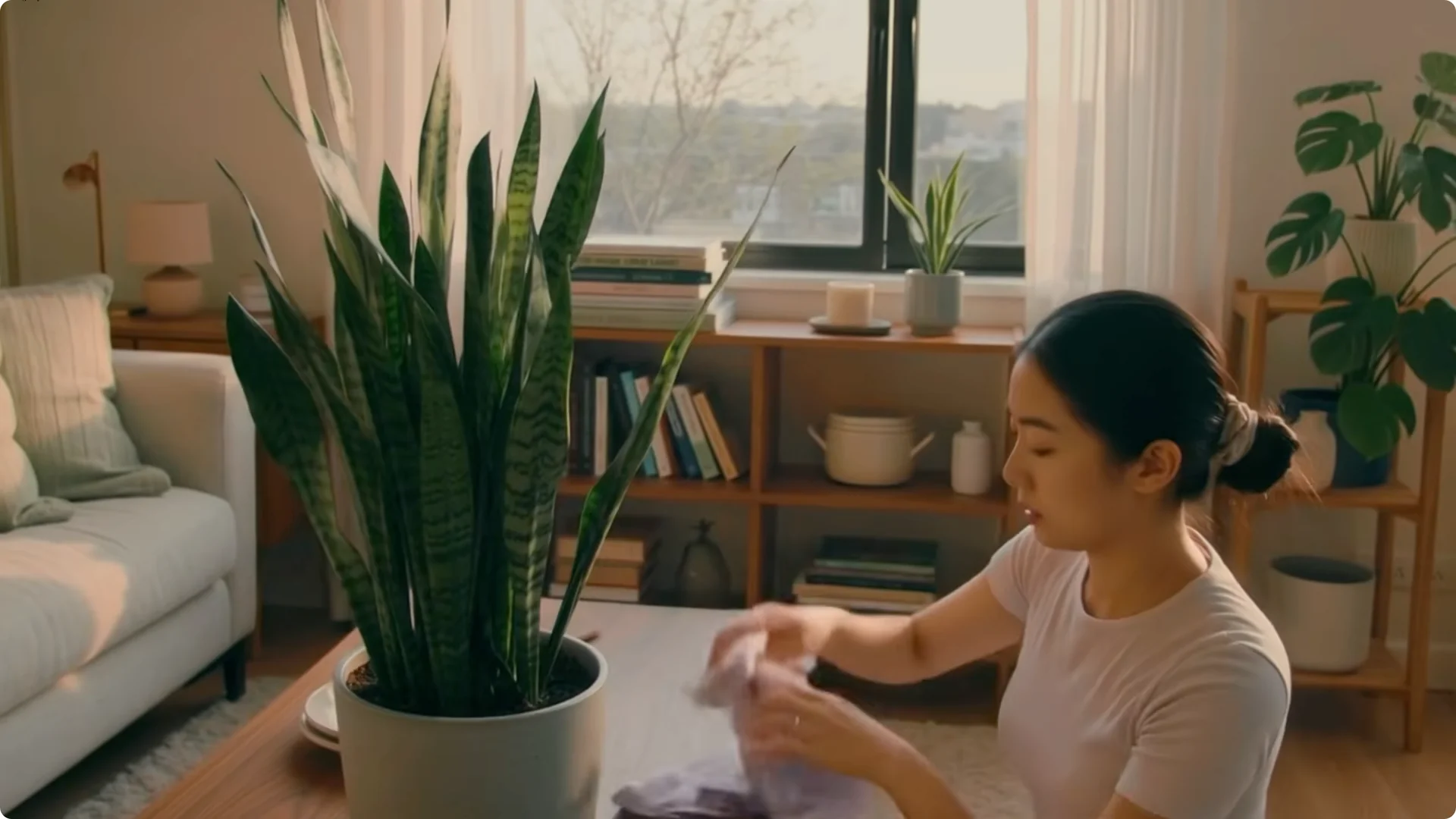
As of 2017, our protagonist is officially no longer a Sansevieria. Scientists conducted genetic analysis and discovered it is so closely related to Dracaenas that it was reclassified into the genus Dracaena. Technically, you are growing a very strange and hardy Dracaena.
Snake plants are often purchased for air purification, citing the famous NASA studies. It is important to be a realist here. Yes, it can absorb benzene and formaldehyde at night, but to notice a difference in air quality in a typical apartment, you would need hundreds of pots.
A single plant on a shelf is more of a placebo than a high powered filter. Enjoy it for the sculptural presence and resilience. Do not expect it to scrub your air.
10. Snake Plant Care Pitfalls Who Should Own One
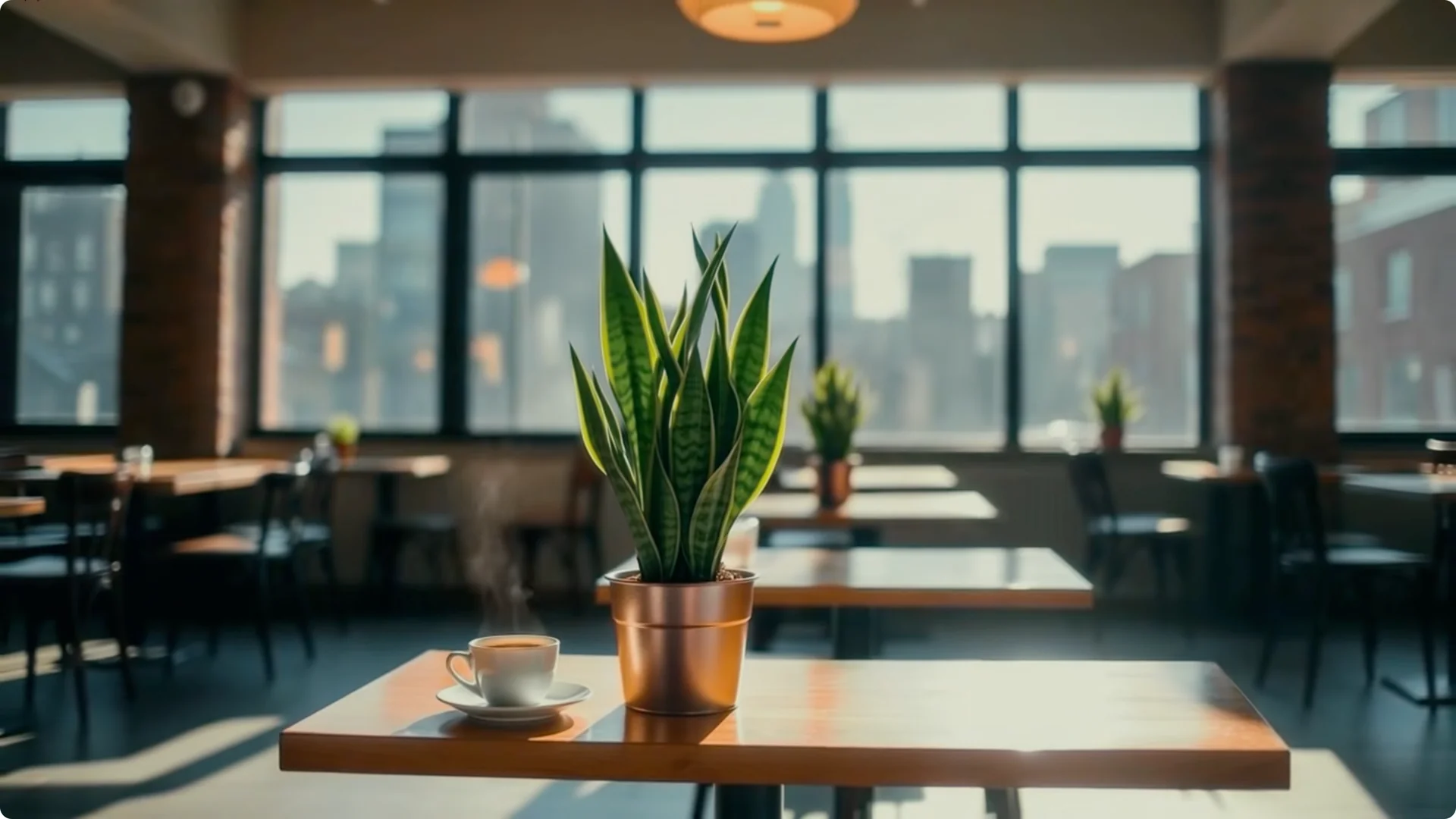
The final verdict. This plant is the ideal companion for perpetually busy professionals, avid travelers who are away from home for months at a time, and dedicated minimalists who value architectural form over flowery coziness. It fits perfectly into the life of someone who has no time for gardening but wants a living sculptural object in their interior.
If you want a green friend that will respond to your care, grow quickly, and forgive your mistakes, buy a fern or a peace lily. At least they will honestly scream about their problems. Leave the snake plant to those who appreciate silence, distance, and rugged African endurance.
Ultimately, it is the perfect neighbor for a sociopath. It demands no attention, makes no noise, and looks flawless as long as you leave it alone. If you reach a point where leaves are collapsing or discoloring, review how to diagnose brown and drooping snake plant leaves before you decide to discard the plant.
Final Thoughts
The snake plant rewards restraint, bright indirect light, warmth, and fast draining soil. Overwatering, cold drafts, tip damage, and low light are the core Snake Plant Care Pitfalls to avoid. Master professional neglect, and you will keep this stoic sculpture alive and beautiful for years.