
Most people have never actually sat in their backyard. They own it, they mow it, they glance at it through the kitchen window, but sit in it and actually use it almost never. That is not a money problem. It is a design problem.
It is one of the easiest things to fix if you know what actually moves the needle. I am walking you through 10 landscaping ideas that transform how a yard feels and how you actually live in it. One of them, idea seven, costs under 200 dollars and will change how you use your home more than almost any renovation inside it.
1. Backyard Landscaping Ideas: Fix the ground
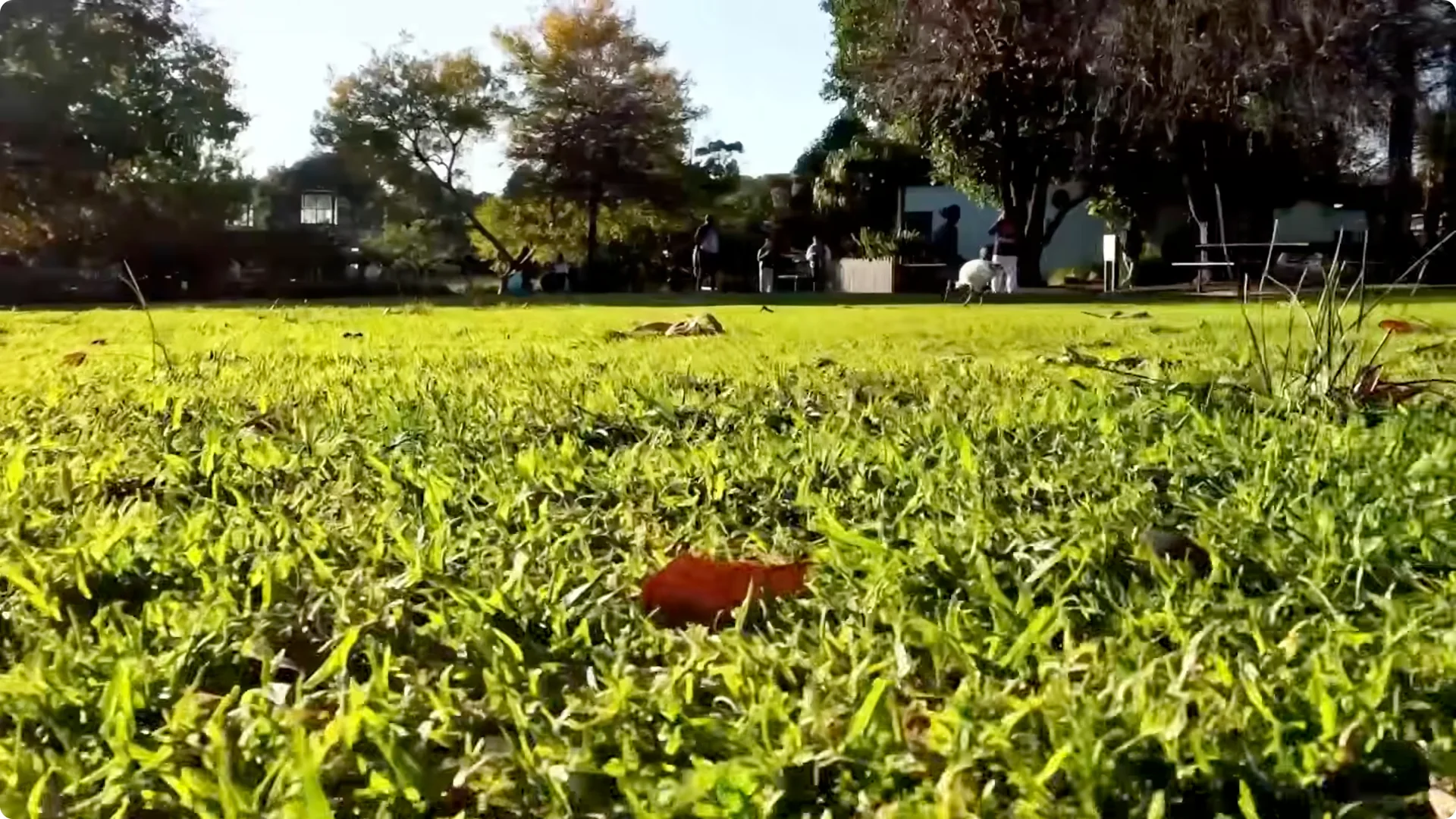
Most people skip straight to the fun stuff. A new patio, a raised garden bed, string lights. I get it.
Here is what happens. You put in a beautiful planting bed and it sits next to a thin patchy lawn. No matter how good the bed looks, the lawn pulls the whole thing down.
It is like putting nice furniture in a room with stained carpet. The lawn is the canvas. Everything else sits on top of it.
Before you add anything new, look at the ground itself. Is it compacted, are there bare patches, does it feel thin when you walk on it. Fixing it does not cost much.
How to fix the ground
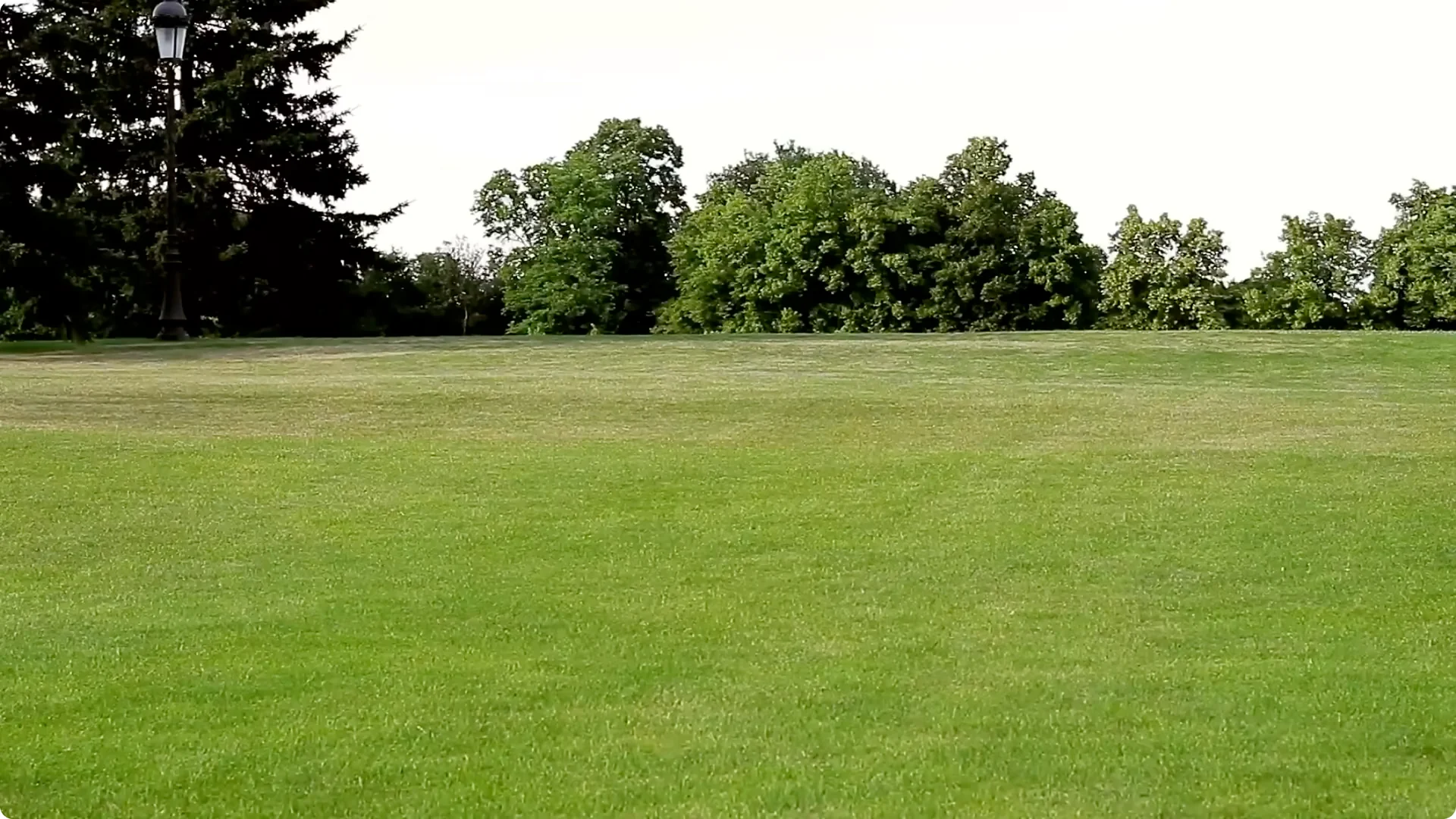
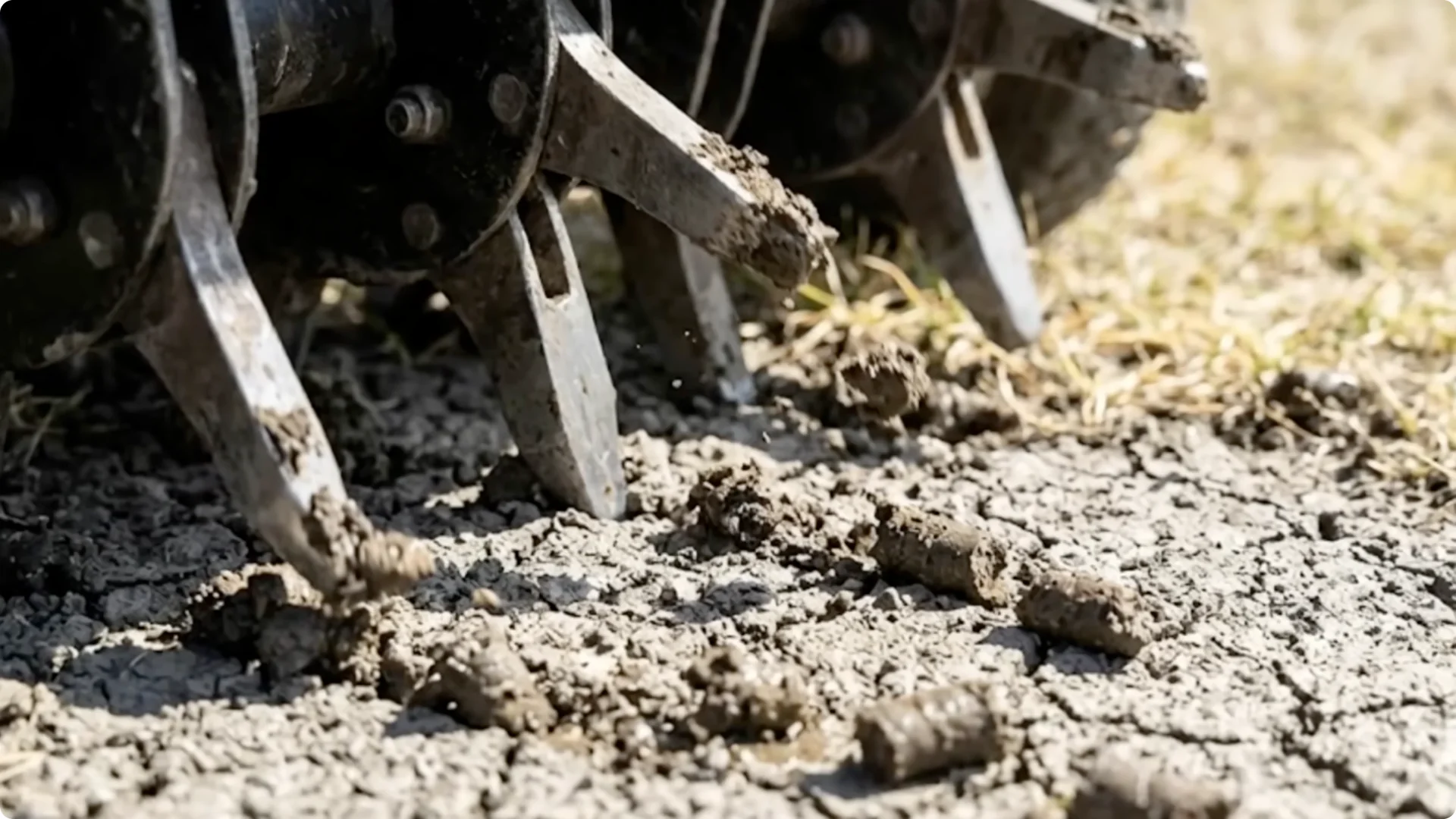
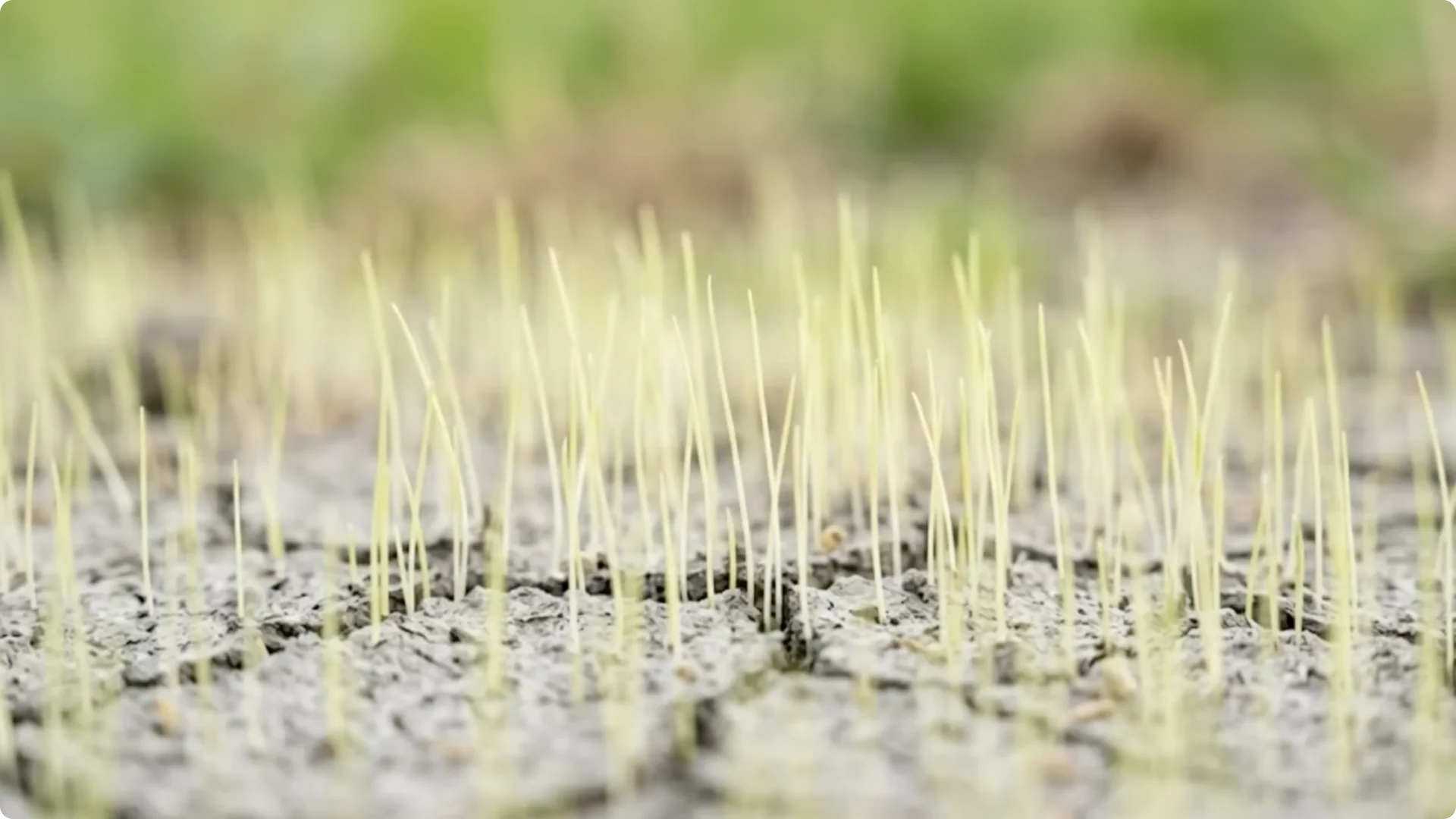
Aerate and overseed. Aeration means poking holes in the soil so air and water can get in, and you can rent a machine for an afternoon. Then spread grass seed over the top.
Within six weeks, you will see a difference. Within one season, the whole lawn can look like a different yard. Fix the ground before you do anything else.
2. Backyard Landscaping Ideas: Define your edges
Here is something that costs almost nothing and makes your yard look like a professional touched it. Clean edges. Look at the line between your lawn and your garden beds.
Is it crisp and clear, or does the grass drift into the bed with no real boundary. That soft drifting edge is a main reason a yard looks unmaintained even when you mow every week and the plants are healthy. The brain reads a clean line as designed, and a soft edge as neglected.
One clear boundary between the lawn and the bed changes how the whole yard feels. Most people grab plastic edging from the hardware store. Do not.
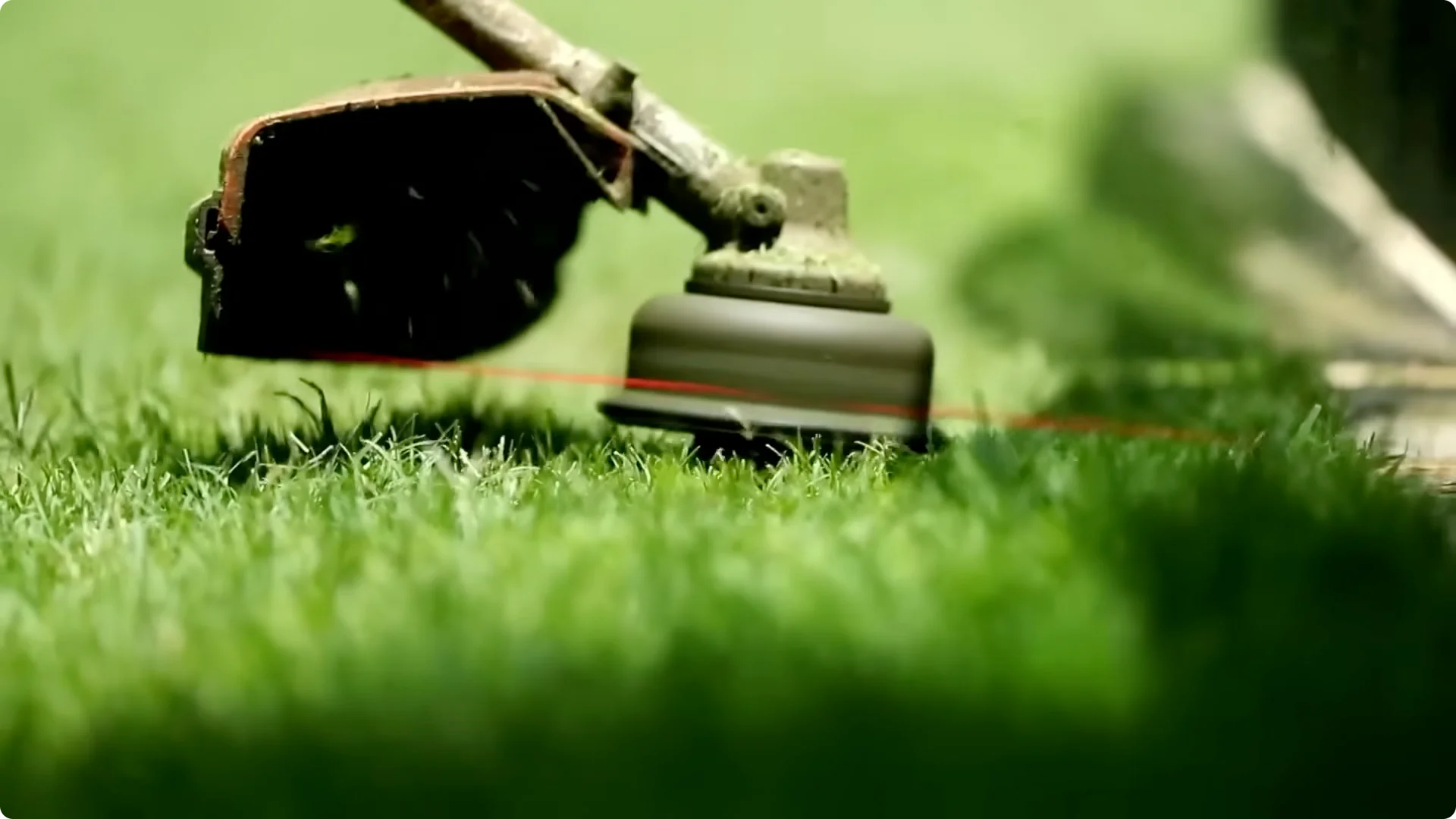
It breaks down in the sun within a couple of years. It heaves out of the ground when the frost comes. Eventually it looks worse than nothing.
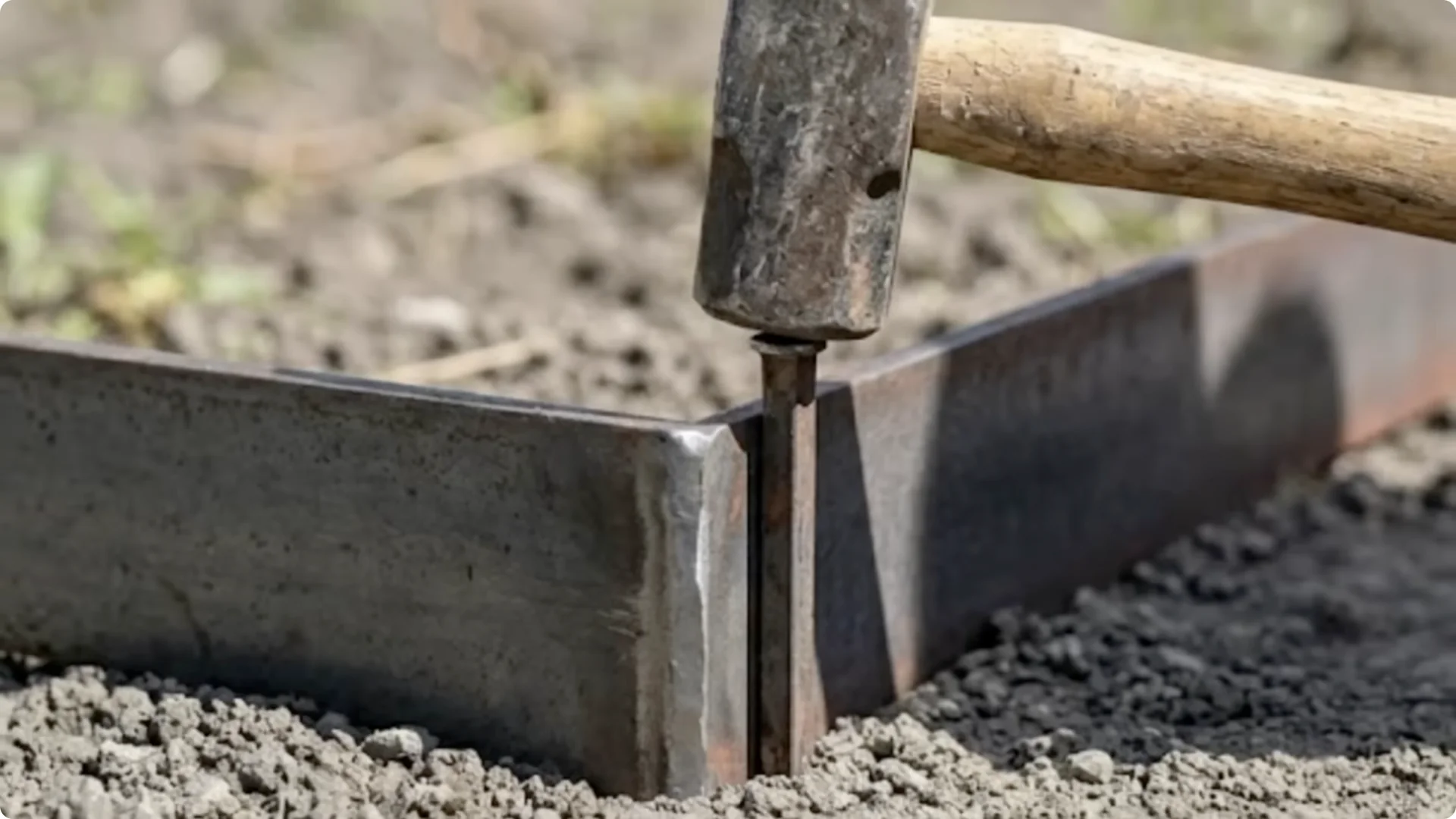
The free option is a spade cut trench. Take a flat spade and cut a clean vertical line right along the edge of the bed. Touch it up once a year and you are done.
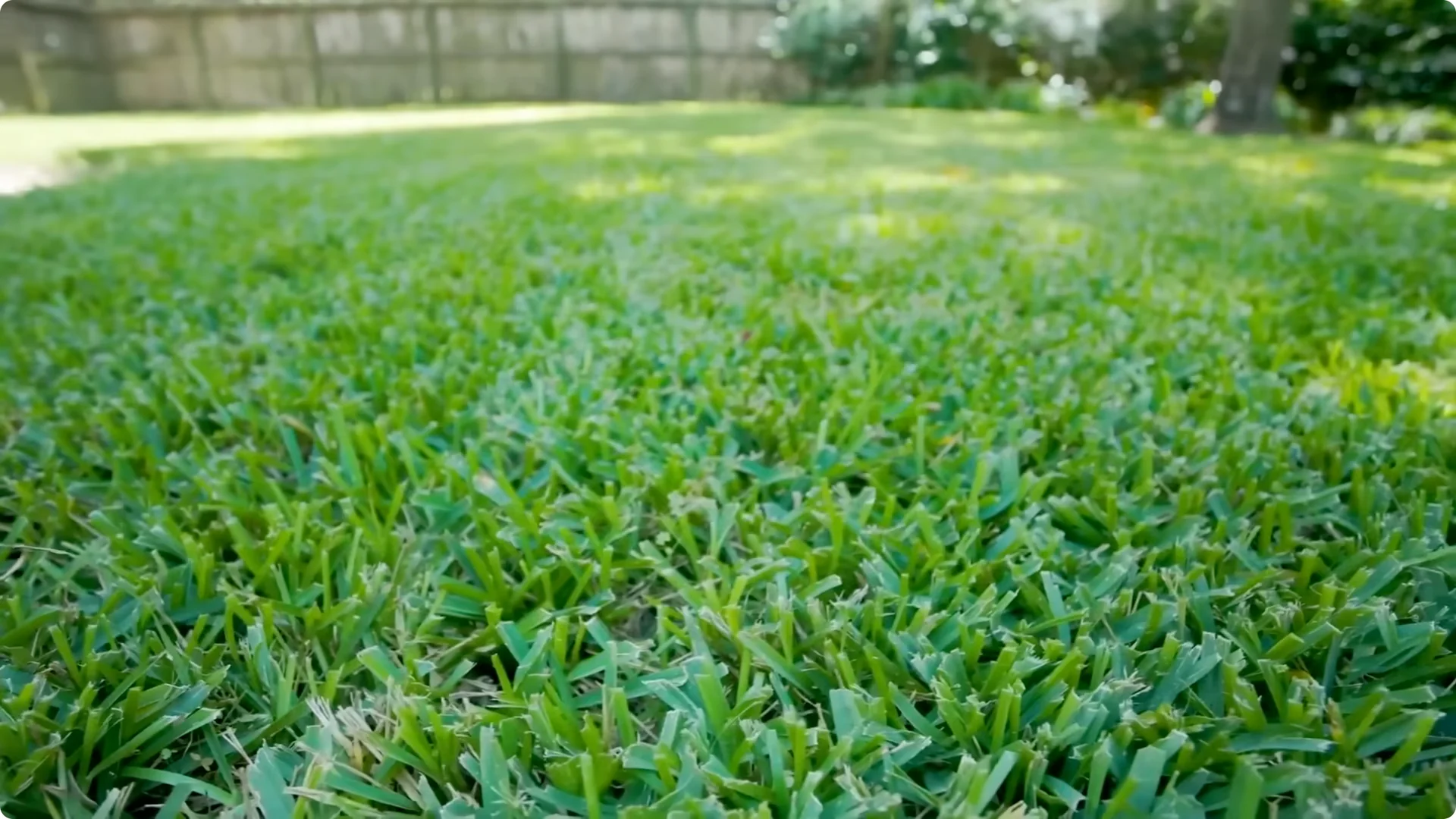
If you want something permanent, thick steel edging set flush with the soil is the move. It weathers to a natural color over time, holds curves well, and does not move. One investment, zero maintenance after that.
3. Backyard Landscaping Ideas: Create zones
Most yards are one big open space. Patio, then grass, then fence. That open space with no real purpose rarely gets used.
People drift through it on the way to somewhere else, but nobody really goes there on purpose. Zones fix that. Instead of one big space, break the yard into areas that each have a reason to exist.
A dining spot, a lounge corner, maybe a quiet place to sit in the morning. Each one has its own surface and its own character. Suddenly there are actual places to go, not just a yard to look at.
Simple zone formula
A zone is three things. A change in surface material, something on two sides to define it, and a shift in the plants around it. A gravel patch with tall planters as implied walls and a sail shade overhead reads as a completely different room from the paving six feet away.
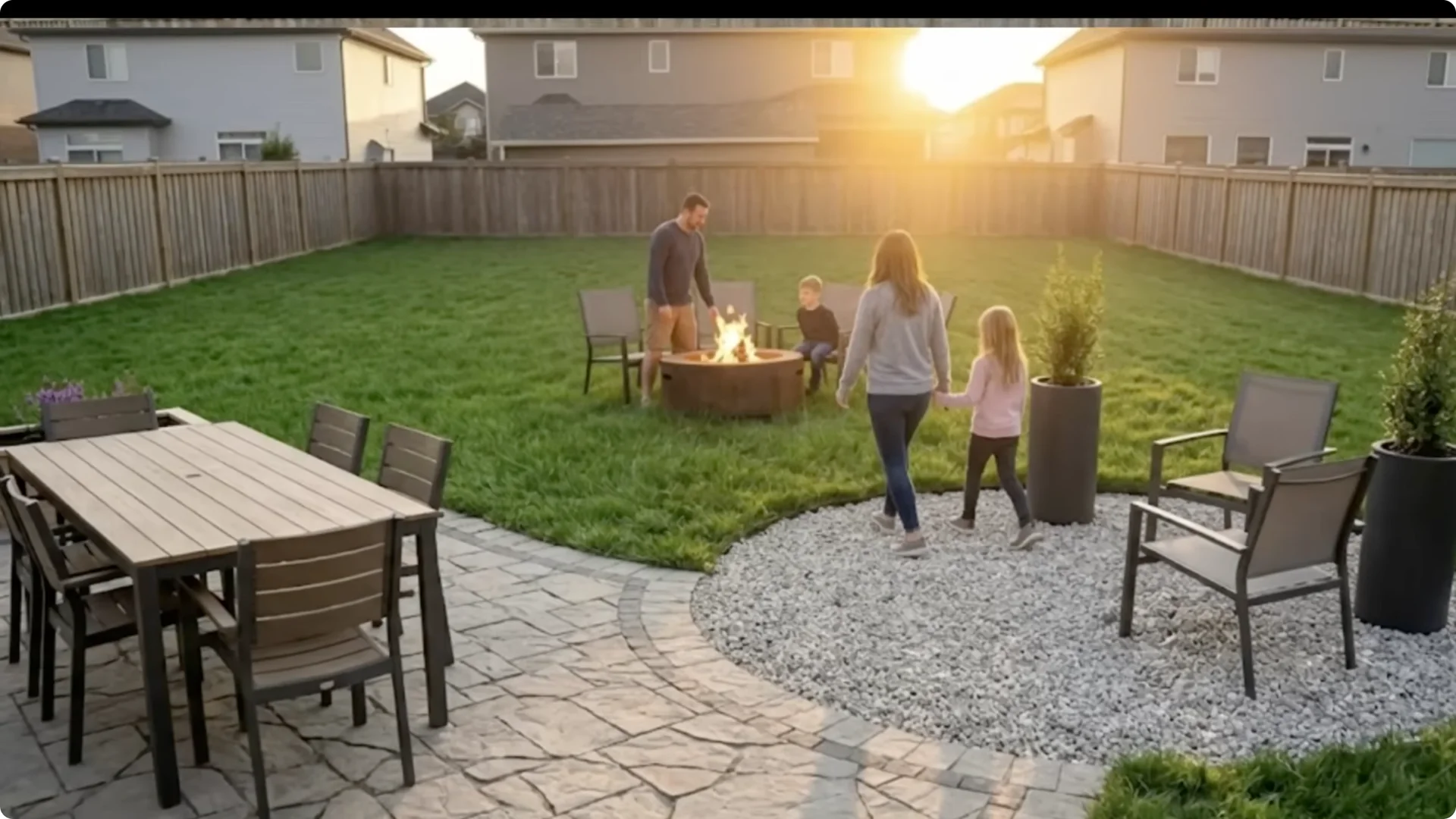
No walls needed. The hint of a boundary is enough. The gardens that get used the most are not the biggest ones.
They are the ones with somewhere specific to go. A spot that feels right for morning coffee, a different spot that feels right in the evening. Once the yard has destinations, people actually go outside.
Read More: Easy rose propagation at home
4. Backyard Landscaping Ideas: Layer your lighting
Most yards get one of two things. A single flood light pointed at the house or nothing at all. Either way, nobody goes outside after dark.
A flood light does not create atmosphere. It just illuminates and flattens everything out. Lighting done right is the reason some outdoor spaces feel completely different at night in a good way.
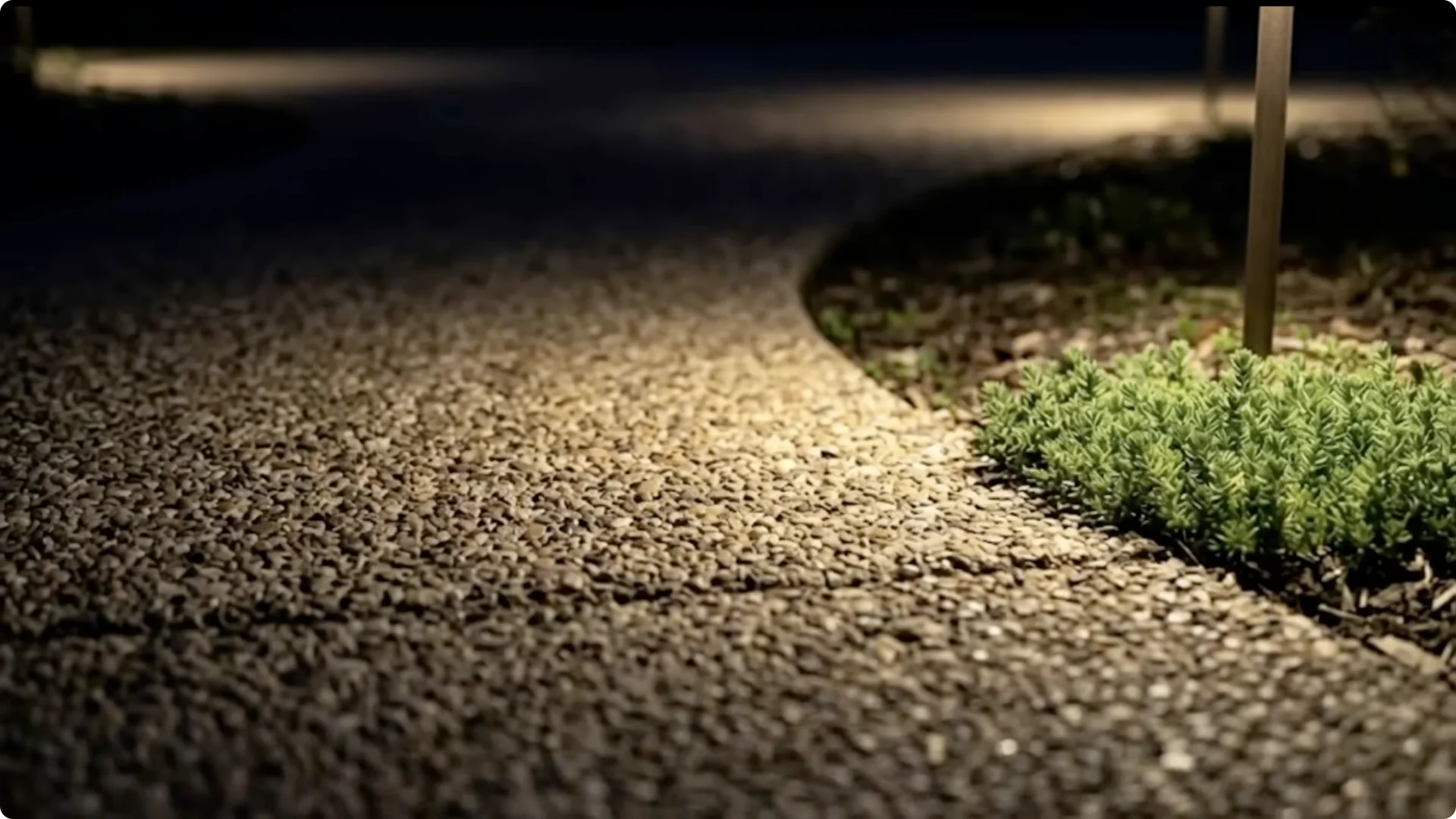
The trick is layers, three of them. First, low ground level lights along paths and steps that are not bright. Their job is to show you where things are and make it safe to walk around.
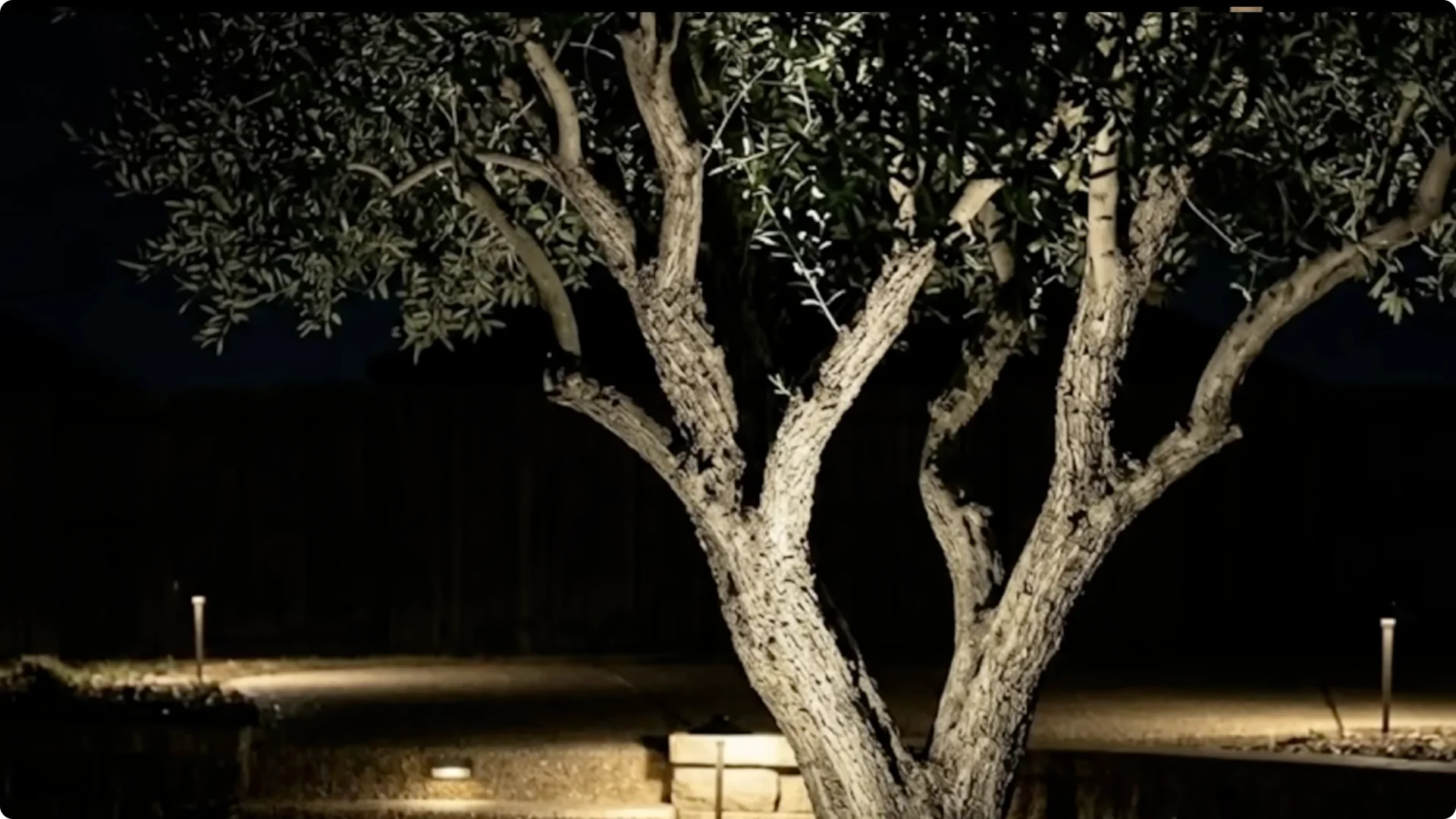
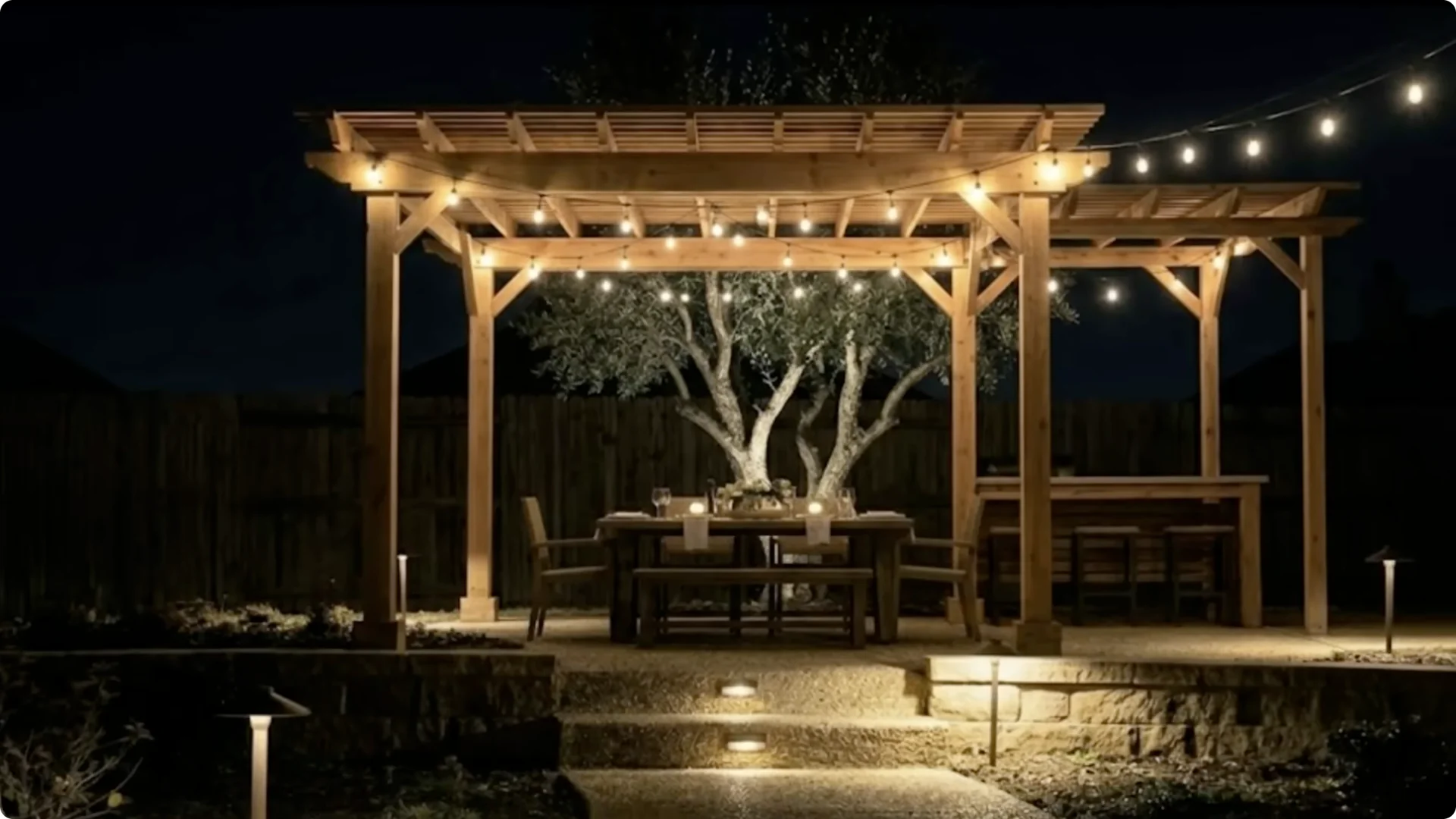
Second, uplights at the base of key plants or walls. One uplight on an interesting tree or a textured wall creates more depth and atmosphere than many overhead lights combined. Third, warm string lights across a pergola or through a tree canopy.
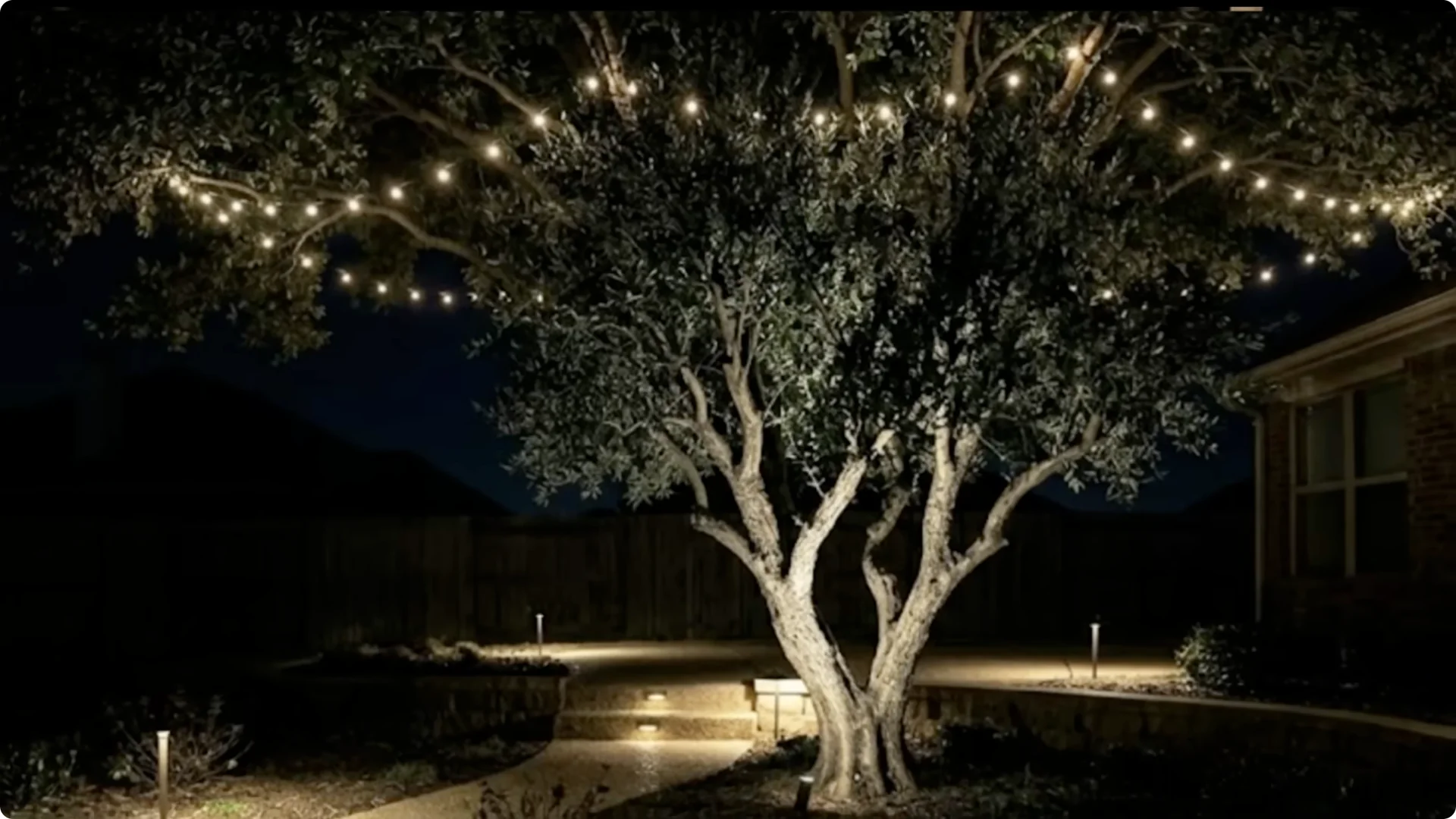
That is the softness. That is what makes it feel inhabited instead of surveyed. One more thing, color temperature.
Warm bulbs around 2700 Kelvin. Cool daylight bulbs do not mix in the same space. Keep every single source warm so the whole space feels like it belongs together.
5. Backyard Landscaping Ideas: Get your screening right
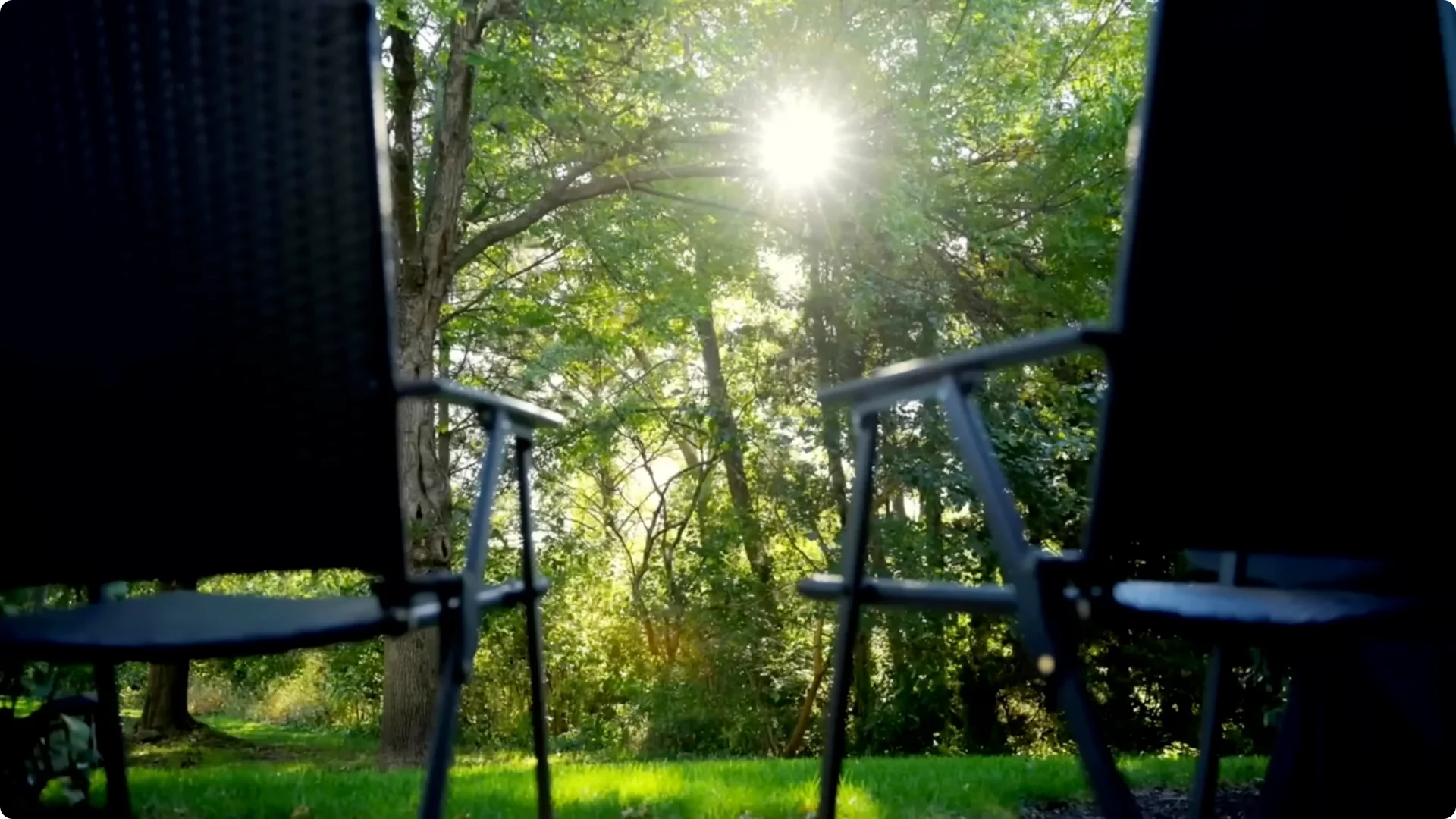
Everyone wants privacy. Nobody wants to feel like they are being watched every time they sit in their own yard. People go buy the fastest growing screening plants they can find.
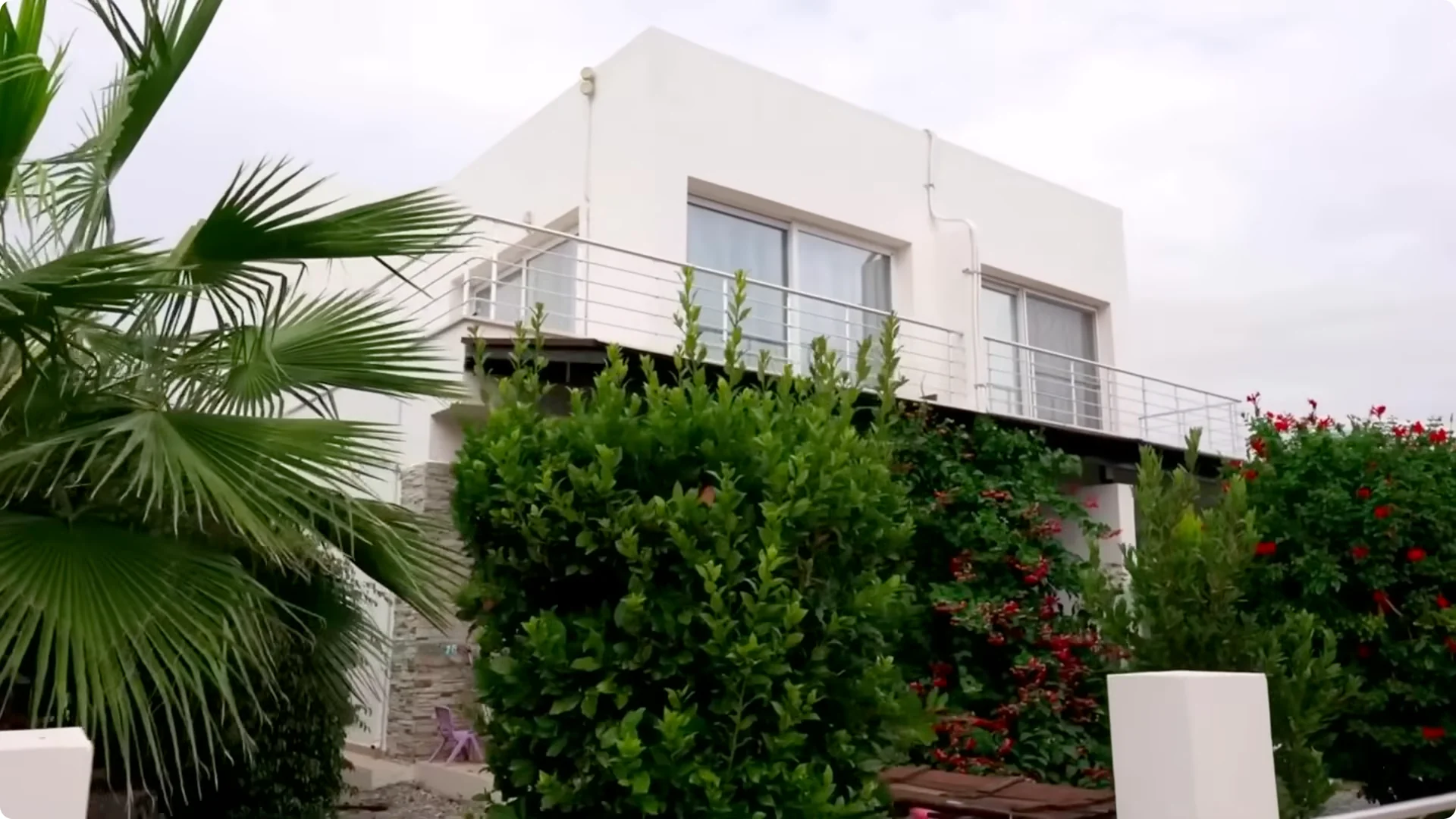
That is where the problem starts. Fast growers tend to spread underground, grow way bigger than the label says, and cause real damage to fences, paving, drainage, and sometimes foundations. I have seen homeowners spend more removing a screening plant than they paid for the whole garden installation.
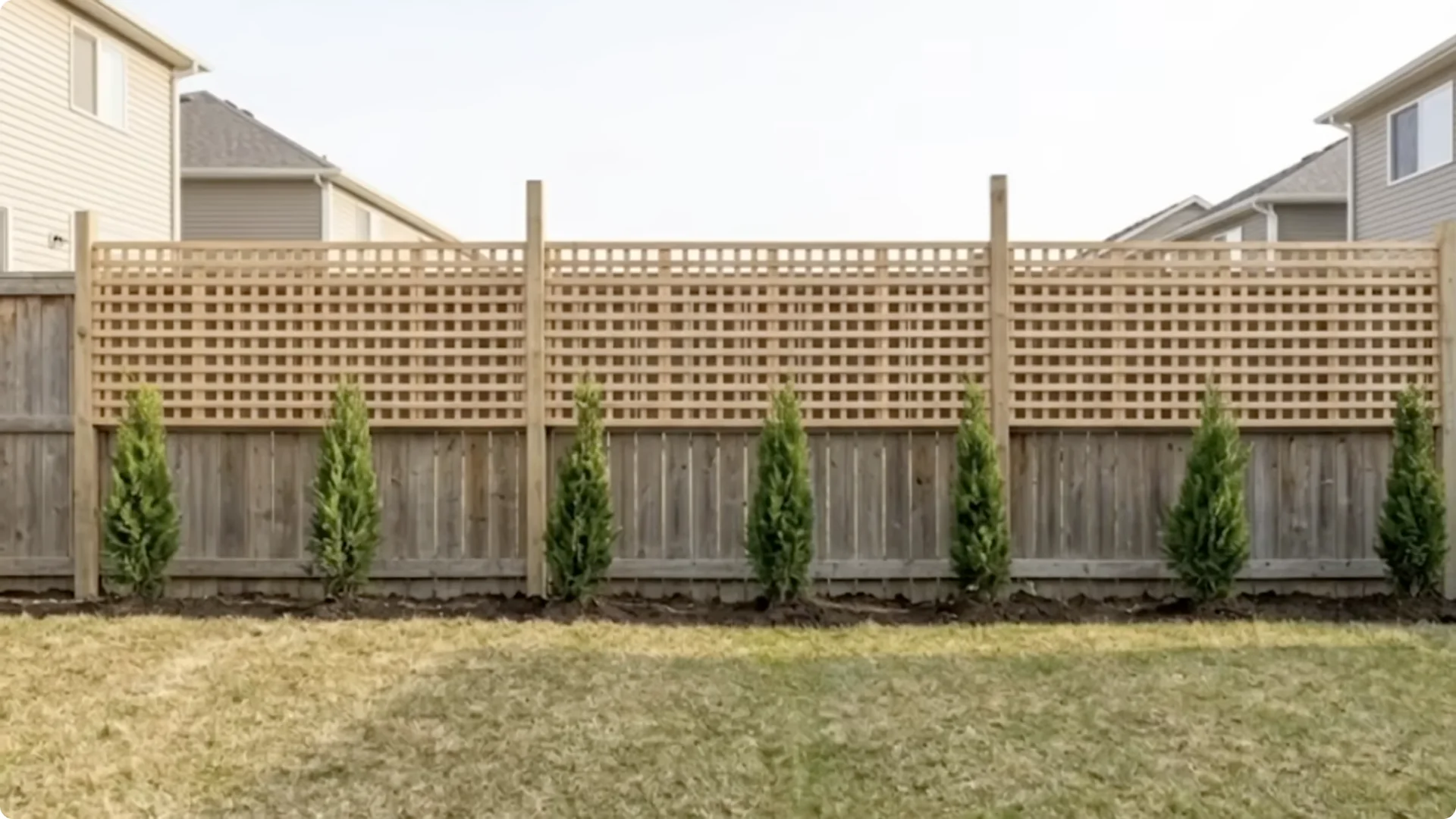
One row of the wrong species planted too close to a fence can lift the fence and reach the neighbor within a decade. Choose based on the plant mature spread, not how fast it grows. Columnar varieties that grow tall and narrow give you the height and coverage without spreading out in every direction.
Plant them at least four feet from any hard surface and you are fine. If you need privacy right now while the right plants get established, use a temporary fence panel for the first couple of years. It is cheap, it works immediately, and you take it down once the plants have done their job.
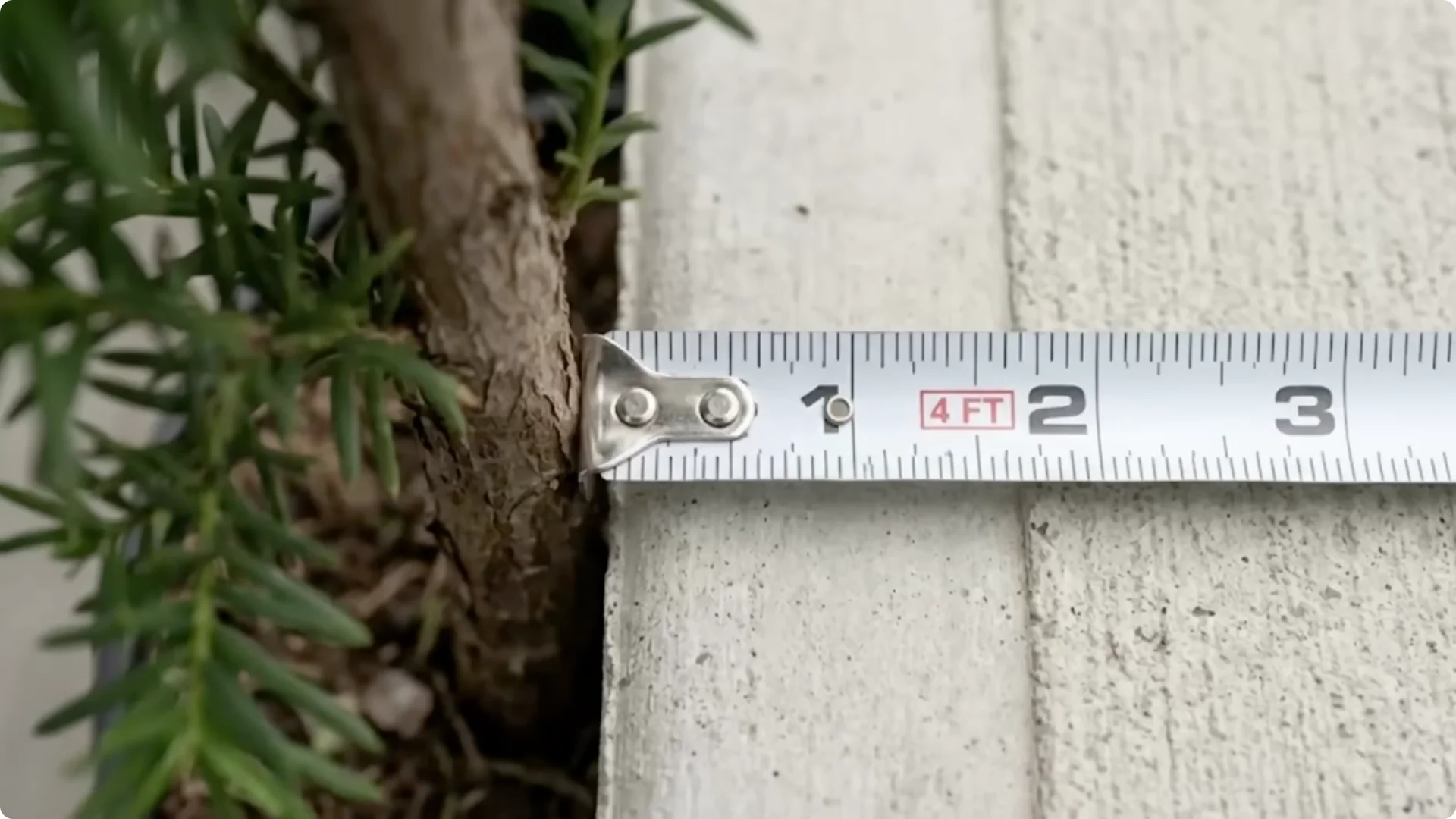
6. Backyard Landscaping Ideas: Add moving water the right way
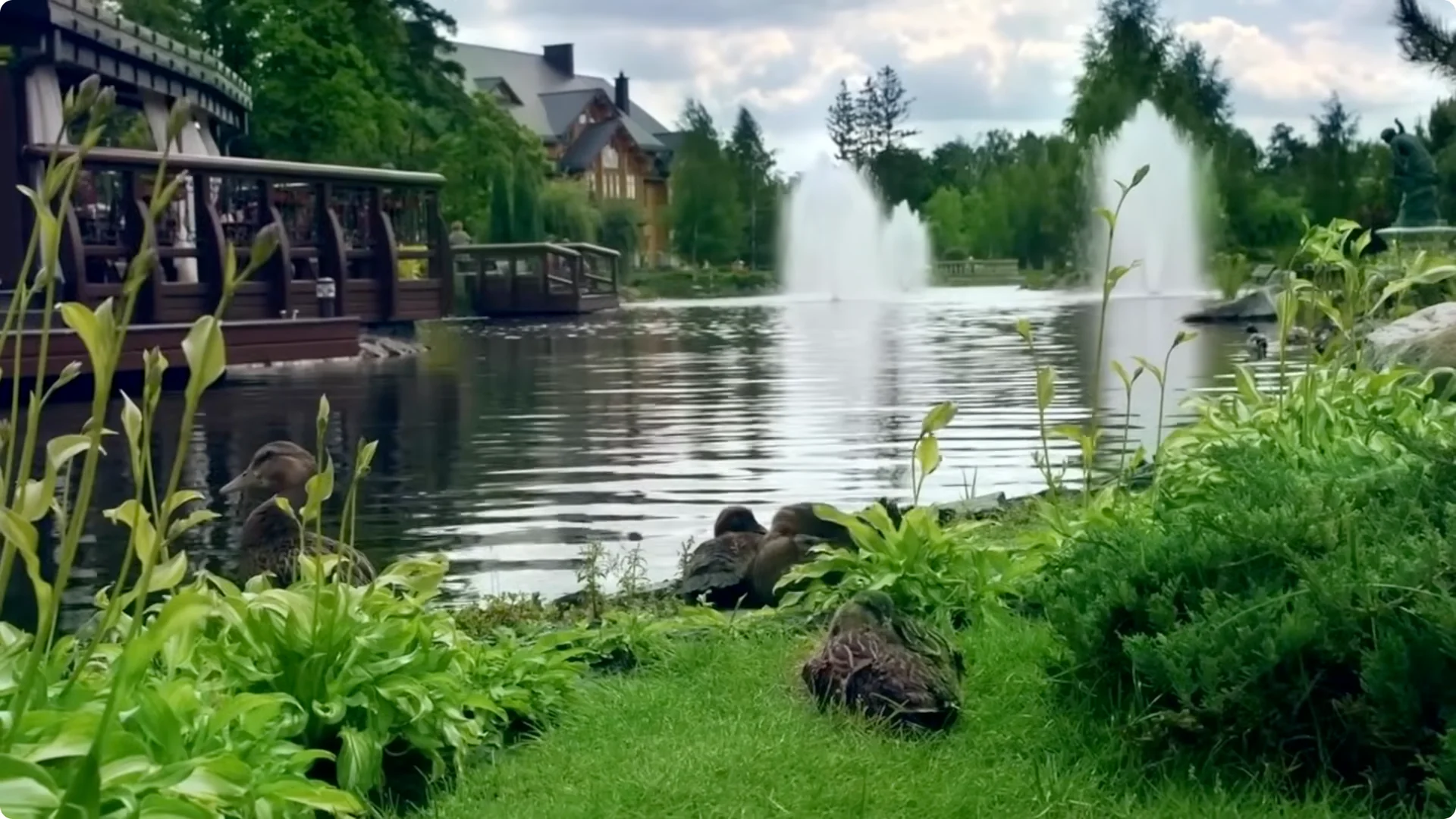
The sound of moving water does something to a space. It covers traffic noise, creates calm, and makes you want to sit still. A great yard without water can still feel a little flat.
Add moving water and it feels like somewhere you actually want to be. Most homeowners who install a traditional pond end up regretting it. Year one looks great, year two the algae shows up.
Year three you are fighting mosquitoes and leaves and green water and wondering why you ever did it. A lot of those ponds get filled in within five years. You do not actually want a pond.
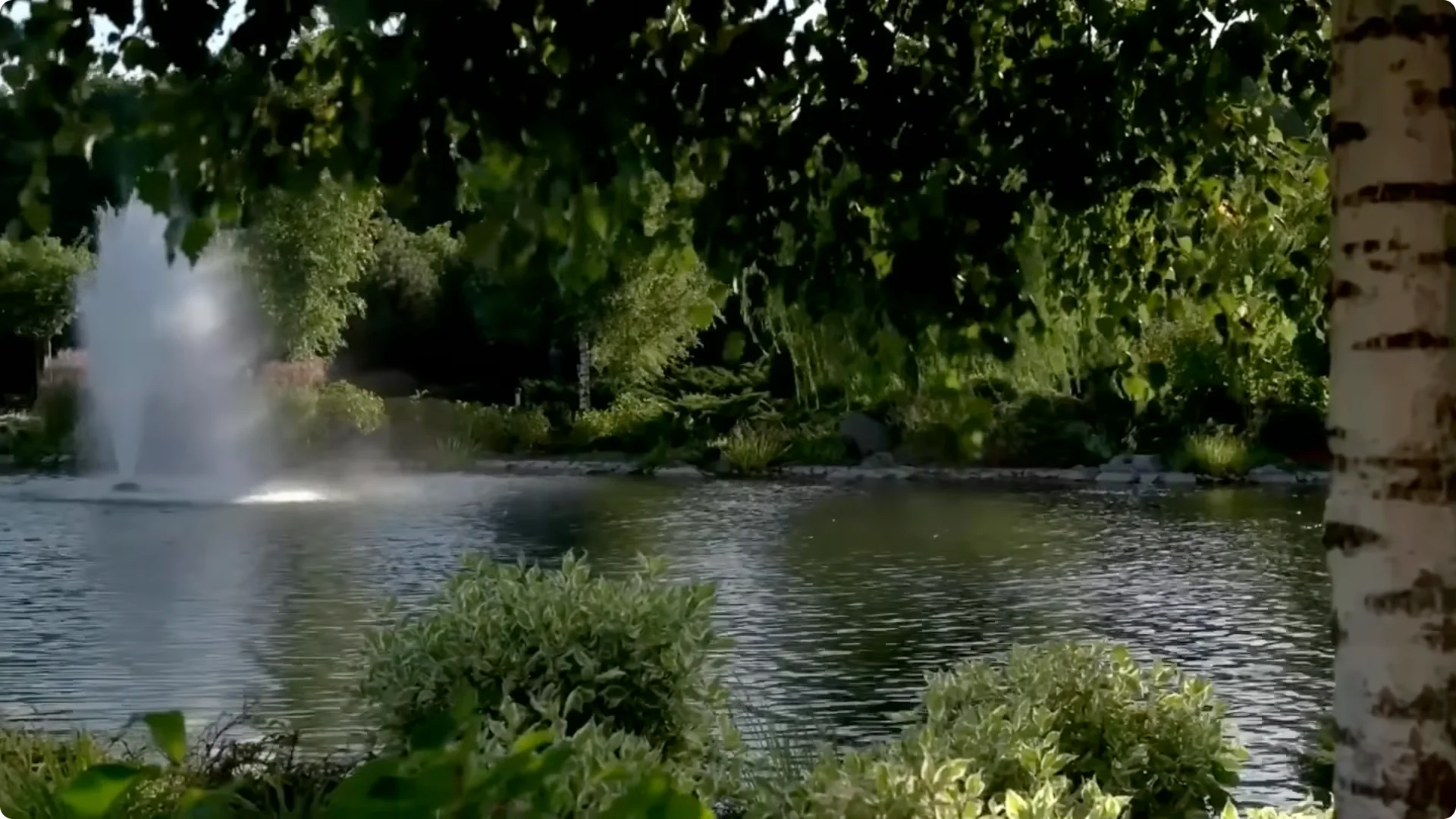
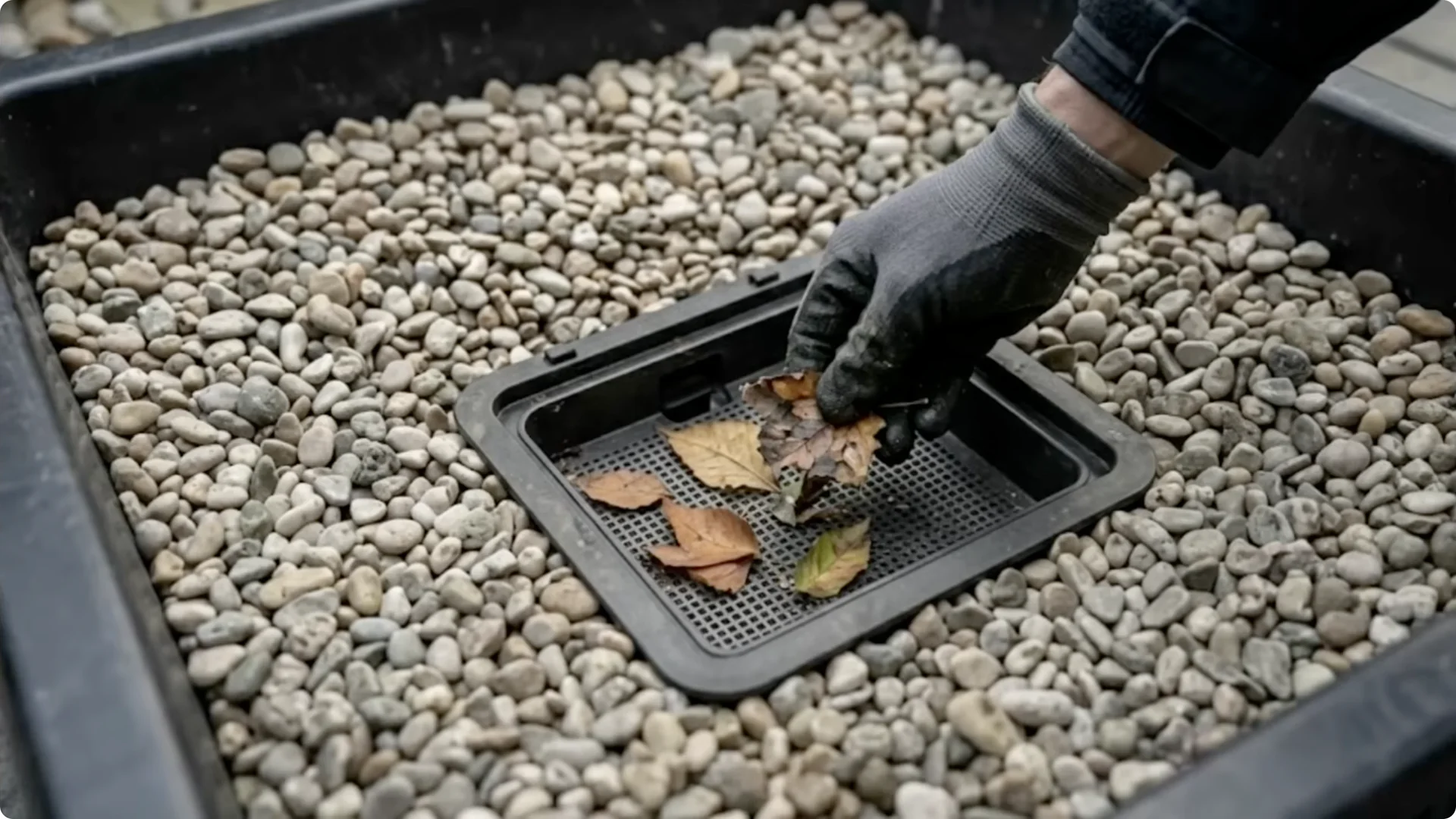
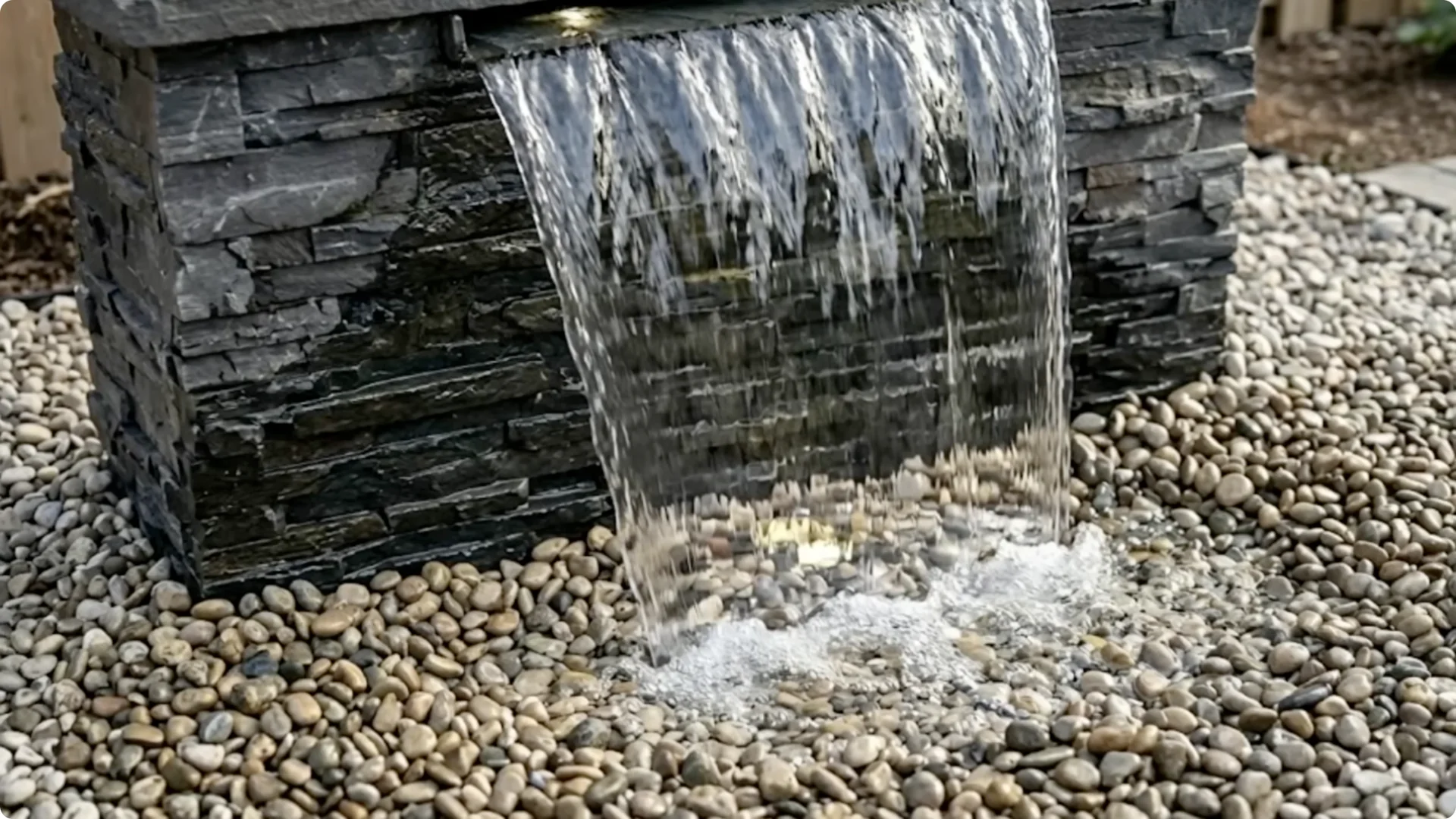
You want the sound and movement of water, and you can get that without any standing water at all. A pondless recirculating feature flows over stone or slate, disappears into a gravel filled reservoir underground, and a pump keeps recirculating it. No standing water visible, no algae, no mosquitoes, no safety risk for kids or dogs.
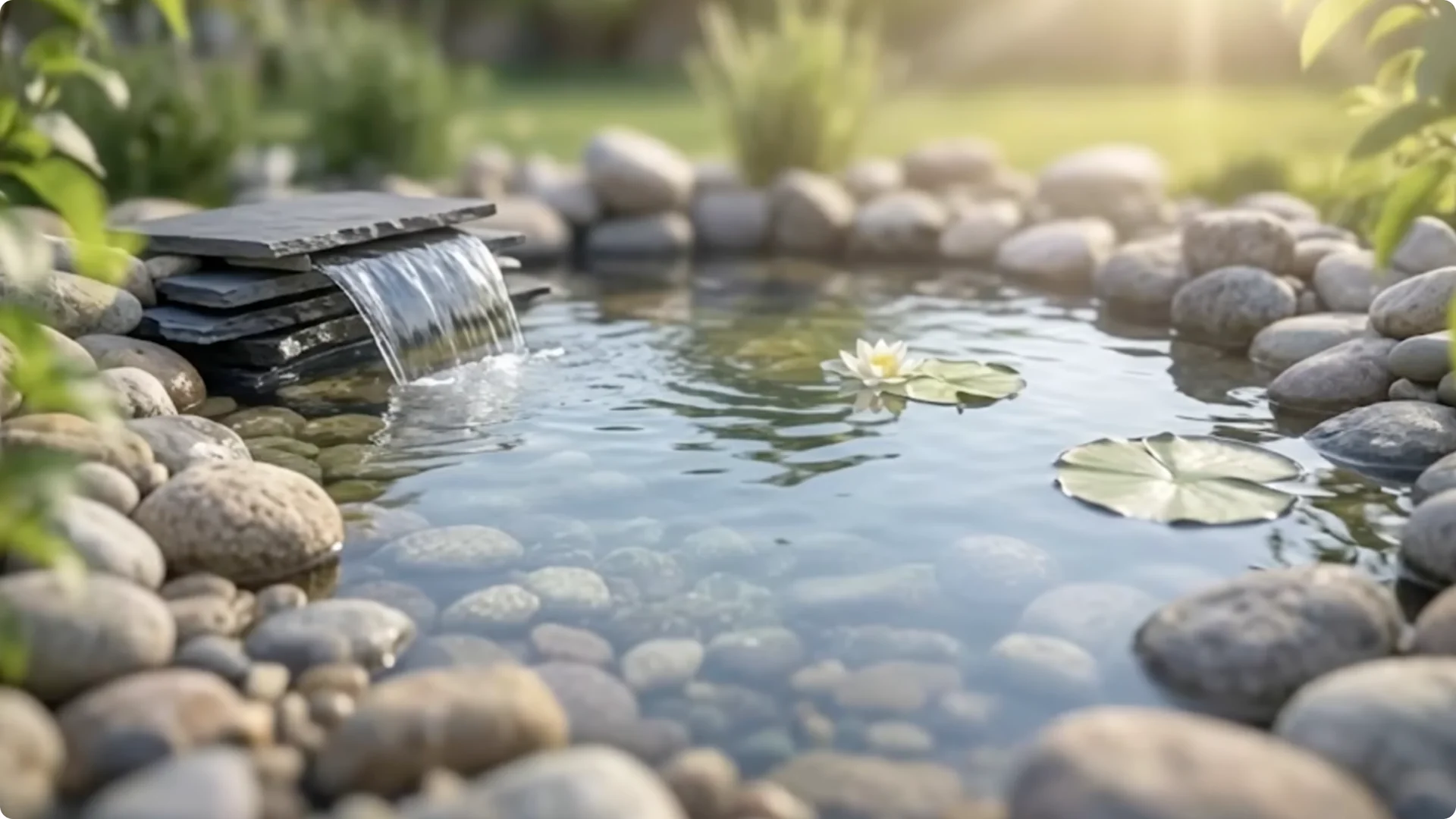
Maintenance is almost nothing. Clear out the reservoir once or twice a year and check the pump. One thing not to skimp on is the pump.
An undersized pump makes the feature look and sound like a dripping tap. Go one size bigger than you think you need. The cost difference is small and the difference in how it looks and sounds is significant.
Read More: Unique ways to propagate roses at home
7. Backyard Landscaping Ideas: Build a productive garden that looks good
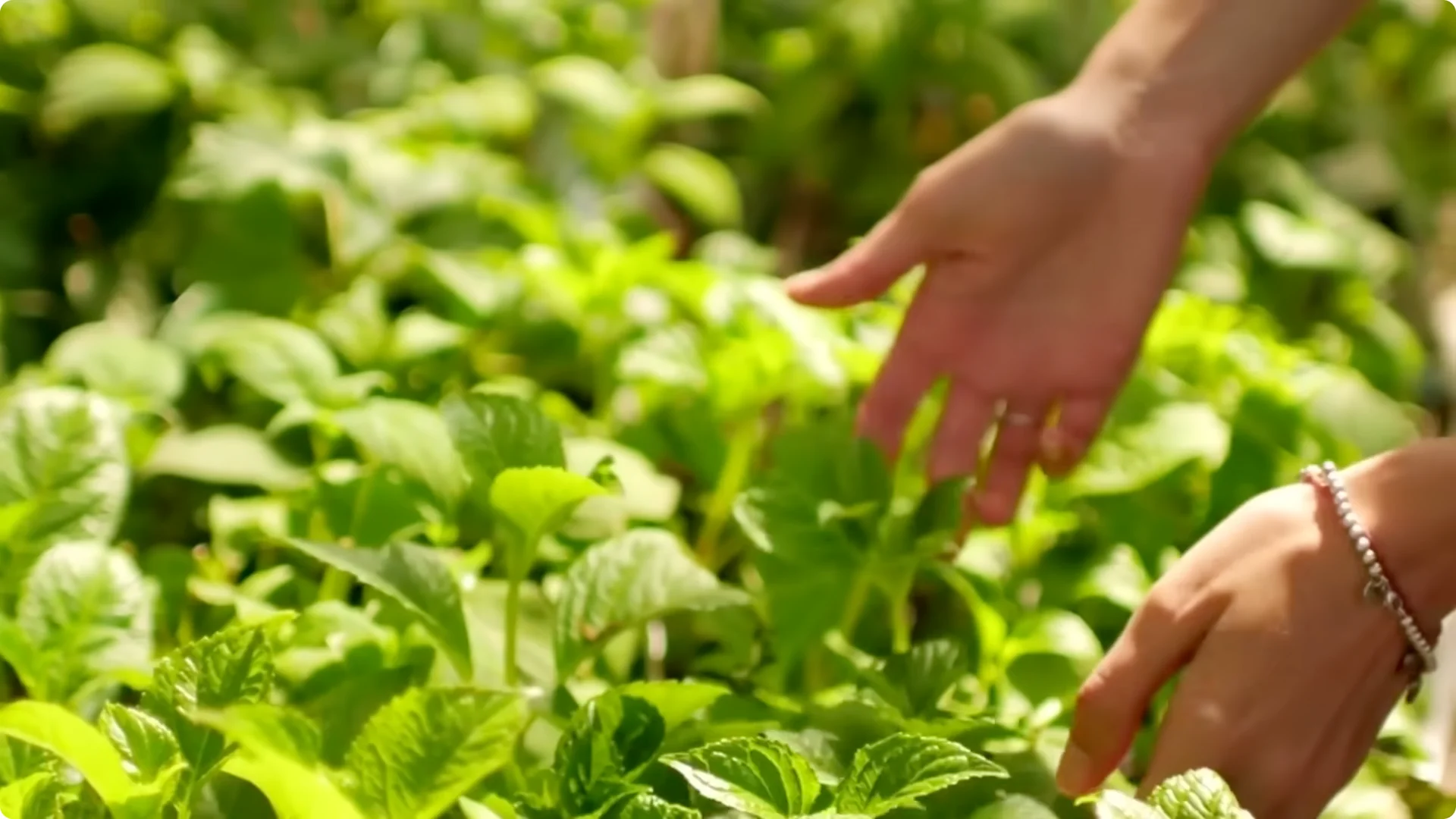
For a long time, vegetable gardens lived at the back of the yard behind a shed out of sight. The thinking was it is functional, so it should be hidden. That thinking is gone now.
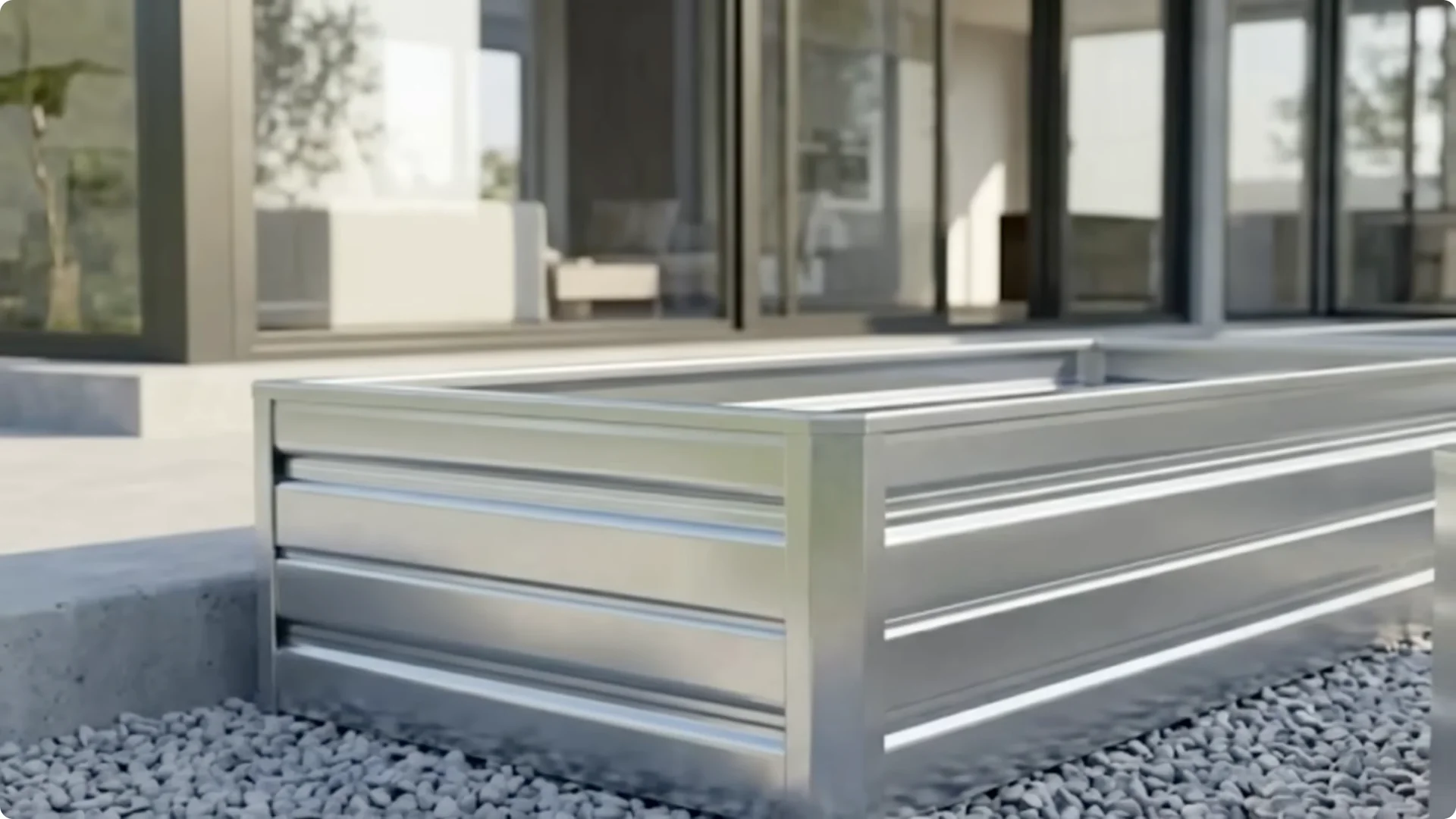
Raised beds are being built at the center of garden designs because when they are done right, they look great. Material matters more than most people think. Cedar is warm, natural, and handles moisture well, while galvanized steel is clean and modern and lasts for decades without maintenance.
Match the material to the house. A modern home gets steel and a traditional garden gets cedar. It should look like it belongs there, not like it was dropped in from somewhere else.
Here is where most people go wrong. They build beautiful beds, fill them with good soil, plant carefully, and then water by hand every day. That gets old by midsummer.
The novelty wears off and the beds start getting skipped. Within one season, they look half dead. The fix is simple.
Install a drip irrigation line when you build the beds, not after. Connect it to a basic timer. It costs very little at that stage and retrofitting later is awkward and more expensive.
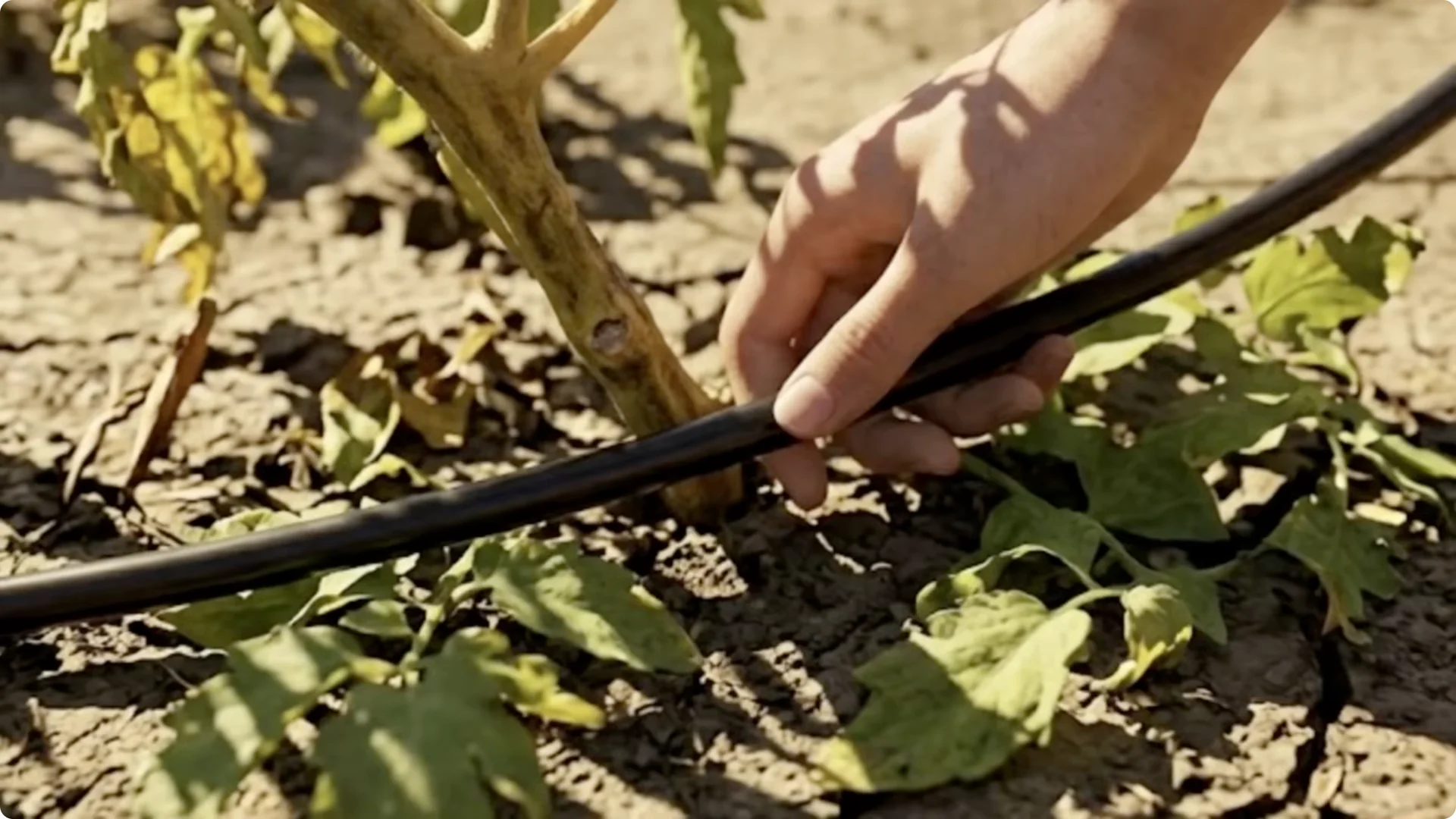
Do it from day one and you do not have to think about it again. Last thing, integrate the beds into the rest of the garden. Run a path between them and add low planting around the edges so the vegetable garden feels like part of the design.
8. Backyard Landscaping Ideas: Rethink your hard surfaces
A poured concrete slab feels like the smart practical choice. It is solid, it looks clean, and up front it is usually cheaper than laying individual pavers. But concrete will crack.
It expands in heat and shrinks in cold. Without control joints cut every eight to ten feet, that movement has nowhere to go except straight through the slab. Once it cracks, you cannot really fix it.
The repair always shows and the color never matches. The only real fix is tearing it up and starting over. Large format porcelain pavers or natural stone on a compacted base are a better long term investment.
One piece cracks and you replace that one piece. No resurfacing and no color matching. Here is the thing most people never talk about.
Drainage. Poor drainage is the most common reason a patio fails within five years. Water that has nowhere to go moves under the paving instead.
It erodes the base and the surface sinks. In winter, trapped moisture freezes, expands, and cracks everything from underneath. By the time you notice something is wrong, the damage is already across a wide area.
Three things should be non negotiable on every patio install. A compacted base at the right depth, a slope across the whole surface directing water away from the house, and a drain channel where the patio meets the wall. These are the baseline, not upgrades.
Read More: Common Monstera mistakes to avoid
9. Backyard Landscaping Ideas: Plant for your actual climate
Most people pick plants based on how they look in a photo. That plant was photographed in ideal conditions with the right soil, the right rainfall, and the right temperature. If it will look like that in your yard with your conditions in your climate is a completely different question.
Plants that do not suit your local conditions need constant attention. Regular watering, extra feeding, protection in winter, and the cost of keeping them alive goes up every year. The margin for error gets smaller and eventually most of them fail anyway.
Native and climate adapted plants work differently. They evolved in your local conditions and are used to your rainfall pattern, your soil type, and your temperature range. They establish faster, need far less water once they are in, and survive stress events that would kill an exotic species.
They just work. The idea that native planting looks wild or unkempt stops a lot of people. It does not have to.
The best native planting schemes are curated and structured. They use plants with great visual form, interesting seasonal color, and strong shape. It looks intentional and needs little maintenance once it is settled in.
Practical starting point. Go to a local nursery, not a big chain, and ask for the three best low maintenance perennials for your specific area. Those three plants placed well will outperform a bed full of exotic species that need constant support every time.
10. Backyard Landscaping Ideas: Design for the view from inside
Most gardens are designed as a separate project from the house. The interior gets finished, then someone figures out what to do outside. The result is two spaces that do not talk to each other.
Different materials, different scale, different mood. You walk out the back door and it feels like you have arrived somewhere else. That disconnect is a main reason backyards do not get used as much as people expect.
The space feels remote even when it is just outside the door. Most homeowners do not realize that is what is happening. People do not use outdoor spaces they cannot see from inside the house.
If the patio is not in the sightline of the kitchen or the main living area, it becomes psychologically remote. You do not glance out while making dinner and wander outside. That spontaneous casual use does not happen.
Two similar houses, similar gardens, similar materials can perform differently. One patio visible from the kitchen window gets used almost every day. One patio around the corner with better sun can be invisible from inside and only used on special occasions.
Before you spend anything else on your yard, do this first. Stand at your main windows and look at what you can see. Make sure the primary outdoor space sits inside that view.
If the door does not line up, a short path is a very small cost compared to building an entire outdoor space that never gets used. The yard you can see is the yard you use. It really is that simple.
Final thoughts on Backyard Landscaping Ideas
You do not have to do all of this at once. Most of these ideas are achievable in stages and some cost almost nothing if you do the thinking first. Small decisions made in the right order make a bigger difference than expensive features added without a plan.
Fix the edges, sort out the drainage before the next paving project, and stand at the kitchen window before you decide where anything goes. The yards that feel genuinely good to be in are the ones where someone thought about how they actually live. Design for how you will use it and the space will start using itself.