
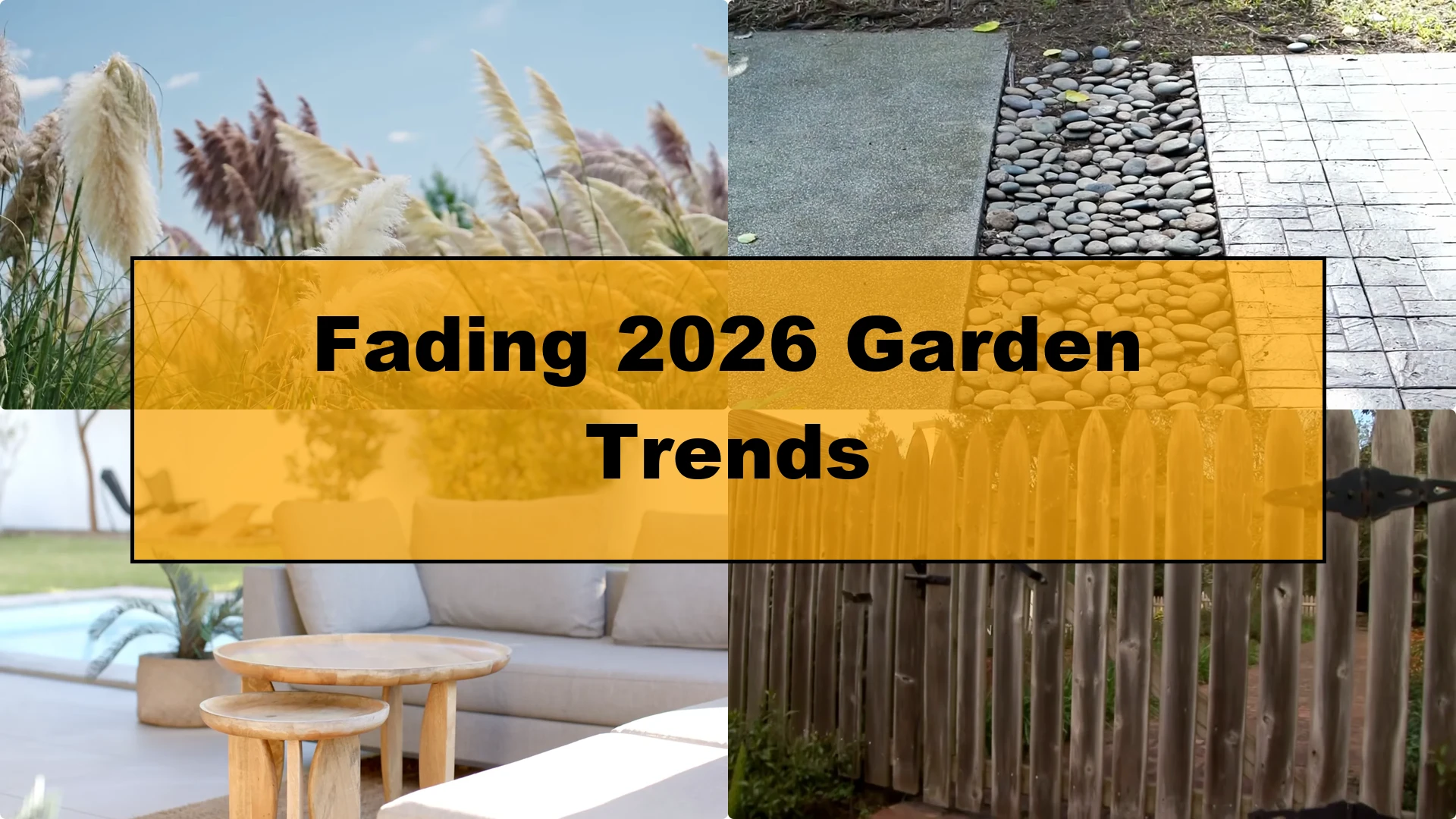
Some of the most popular things happening in gardens right now are already on their way out. People spent real money on them last year. They still look fine, but the problems are already starting.
Most homeowners have no idea it is coming. 10 garden trends that looked smart that got pushed hard by designers, showrooms, and social media. And they are already starting to die off.
Declining Garden Trends
10. Pampas grass as a centerpiece

I get the appeal. Those big feathery plumes, the way it looks in photos, the soft organic feel it gives a space. It had a genuine design moment for a reason.
But here is what is happening now. The trend peaked fast and now has a timestamp on it. If you install it today, it looks like you watched one too many garden makeover videos.
The real problem is what it does after the first season. In a lot of climates, Pampas self seeds aggressively. What started as a statement plant becomes a management job.
I had a client who installed a full run along a fence line. Looked stunning. By year three, she was asking me how to get rid of it.
There is also a fire risk. Dry Pampas material is highly flammable in drier regions. Most people are never told this at the point of sale.
What works instead
Feather reed grass, blue oat grass, tufted hair grass depending on where you live. You get the same movement and soft naturalistic feel without the spread or the fire risk. The visual difference is almost nothing, the management difference is enormous.
9. All gray hardscaping
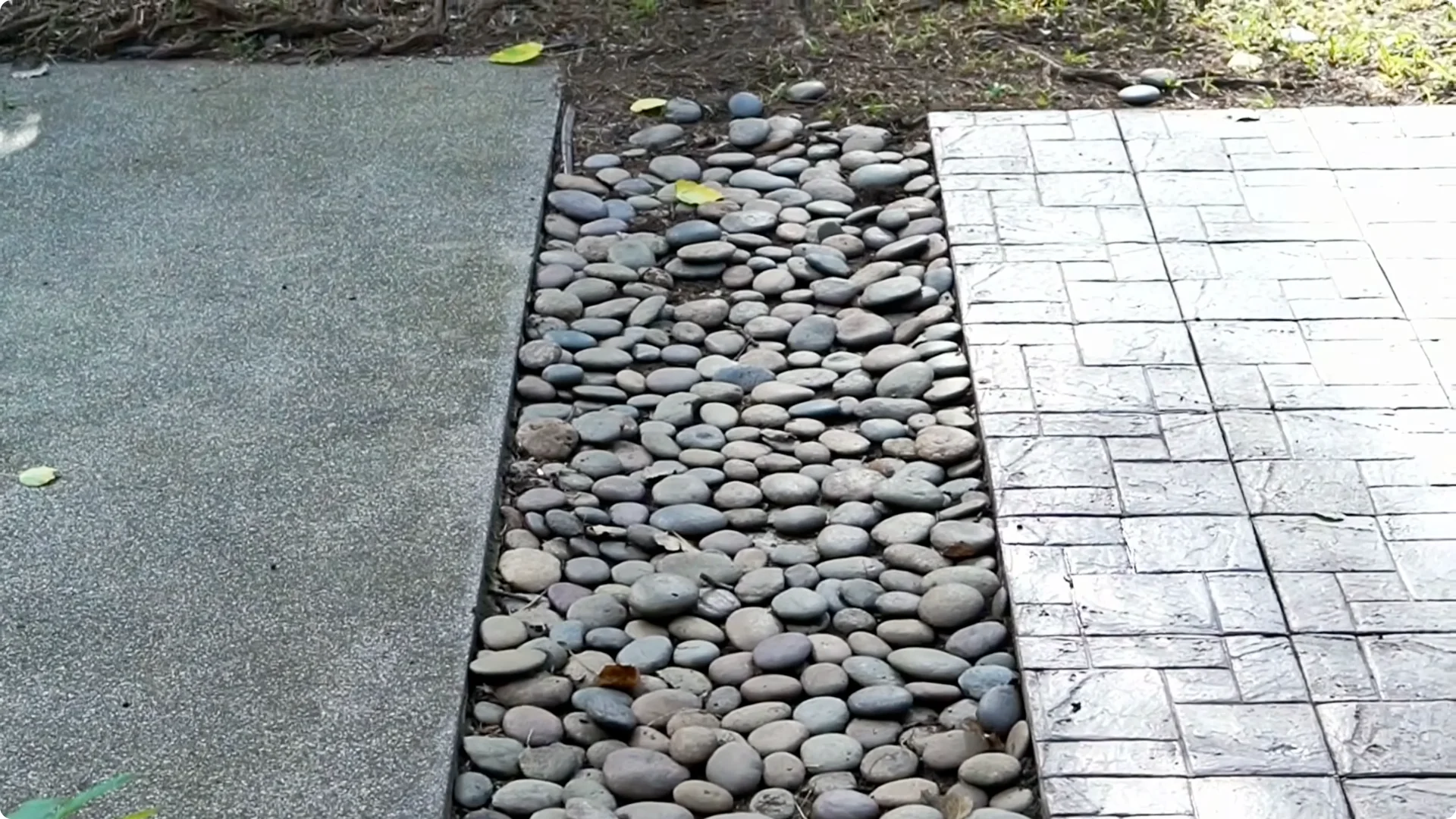
Gray took over garden design completely. Gray porcelain, gray concrete, gray render on walls. Everything matching, clean, and contemporary.
It looked modern and photographed beautifully. Designers loved it. Here is the issue.
Gray does not age neutrally and reads as a very specific moment in design history. In low light, a gray patio makes your garden feel cold for most of the year. You sit out there on a gray morning and the whole space feels like a car park.
The maintenance is brutal. Every mark shows, every algae bloom, every scuff, every stain. Gray porcelain often needs pressure washing every spring just to not look neglected.
I worked on two identical gardens once. Same layout, same plants, same budget. Within three years, the gray one had been resealed twice and was still showing wear while the warm sandstone looked better than the day it went in.
What holds up
Warm toned natural stone, buff sandstone, pale limestone. Materials that develop character rather than showing every mark. If you want porcelain, go with a textured warm tone rather than flat gray.
Read More: Hard To Kill Houseplants Easy Care
8. Outdoor fabric sofa sets
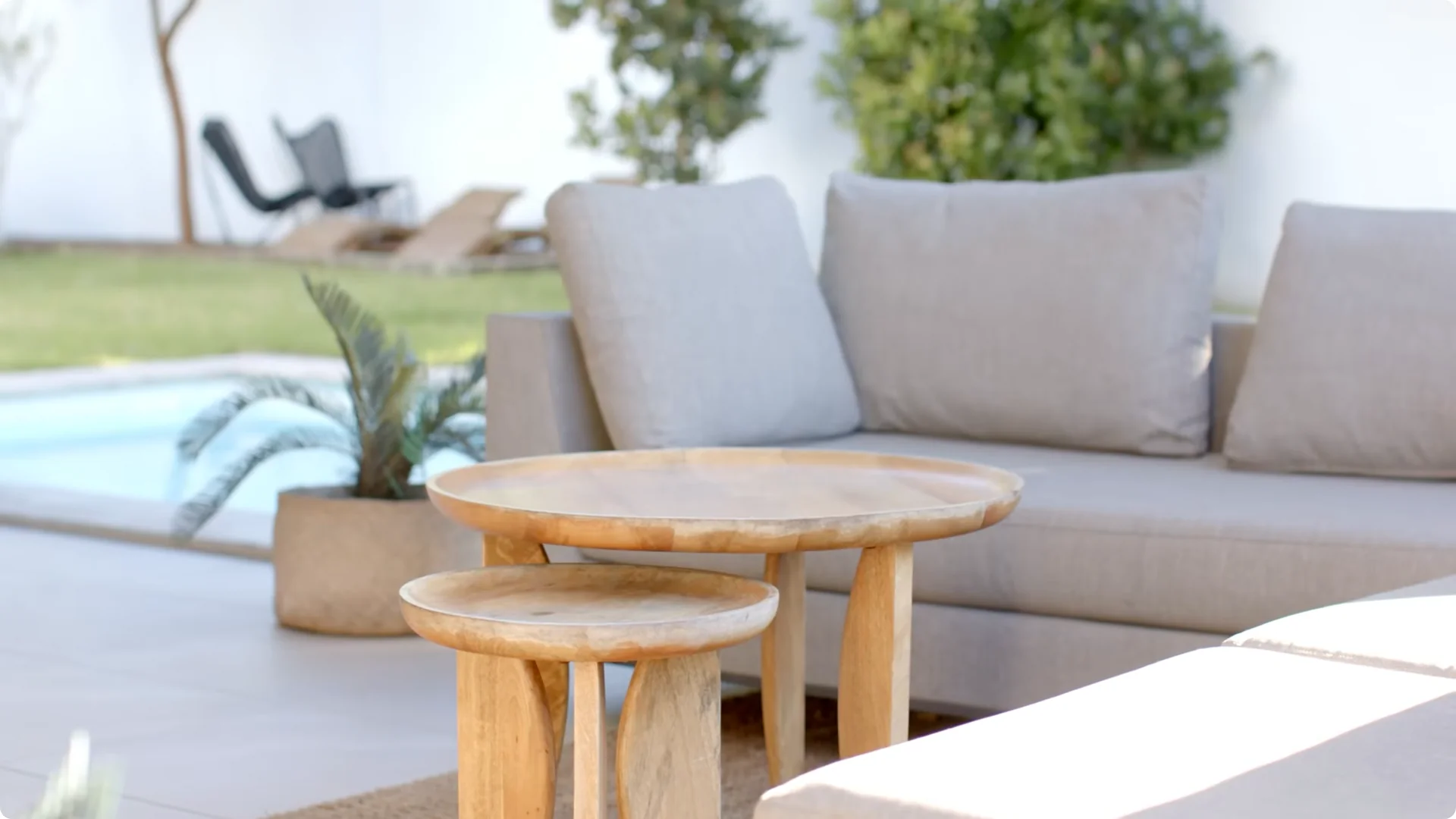
The full outdoor living room is everywhere. Big sofa, scatter cushions, a rug, side tables, maybe some throw blankets. It looks incredible in the catalog and the idea is genuinely appealing.
Most of the fabric in mid range outdoor furniture is weather resistant, not weatherproof. That is a big difference. It does not mean it can live outside through a full season of real weather.
After one or two summers, the cushions fade unevenly and the foam breaks down. The covers start to look tired. Then you find out the replacement part has been discontinued.
I have seen this play out so many times. A homeowner spends a serious amount on a full matching sofa set. Two summers later it already looks neglected.
What actually lasts
Solution dyed acrylic fabric, brands like Sunrella. The color goes all the way through the fiber, so it does not fade the same way. Avoid match sets and mix your materials so replacements are easy and nothing needs to match exactly.
7. Black painted fences and structures
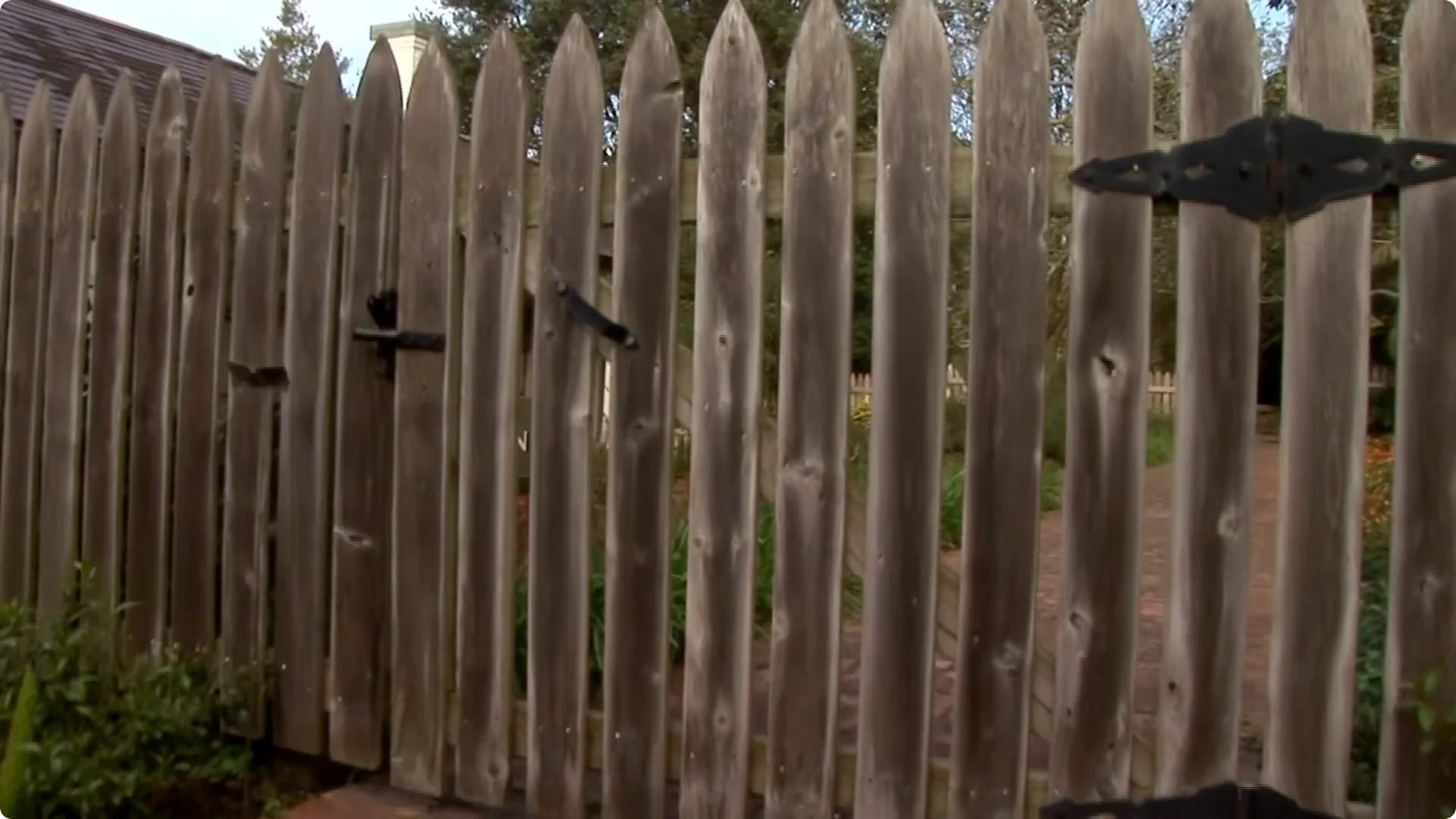
Black fences became the single most recommended garden upgrade for about three years. The before and after effect is real. It is dramatic without being complicated.
The problem is two things. The trend and the timber. Black fences are now everywhere.
Black paint absorbs heat which accelerates the natural movement of the wood. Paint fails faster and faded black reads as a dull purple brown that looks worse than bare timber. Repainting a full fence and pergola is not a small job.
I know a garden where the full structure was painted black. Looked brilliant for two years. By year three, sun facing sections and shaded sections looked like two different colors.
What works better
A deep charcoal stain rather than a solid paint. It fades more gracefully and the maintenance cycle is longer. Or try a dark forest green or slate blue for the same backdrop effect without adding to a sea of identical black fences.
6. Flat pack pergolas with no real roof
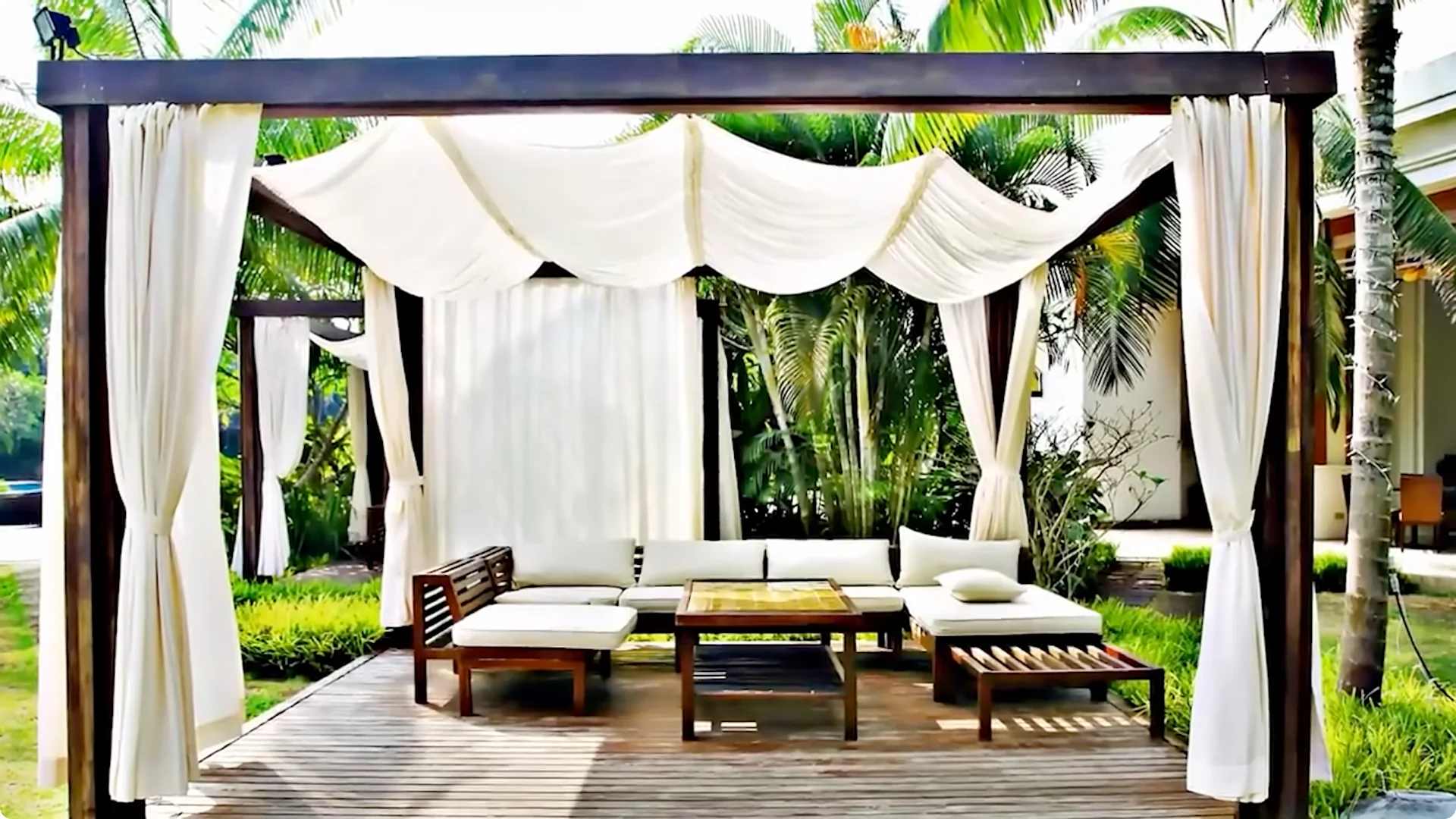
Flat pack aluminium pergolas had a massive rise and the appeal is obvious. You can have a covered outdoor area for a fraction of the cost of a built structure. You put it together over a weekend and it looks clean and modern.
Here is the problem. Most mid market options have open slat roofs or thin polycarbonate panels that provide almost nothing in the way of actual shelter. They give you minimal shade and do nothing in rain.
The whole point of buying a pergola is to extend how much you use your outdoor space. If you cannot use it in rain and you live somewhere it rains, you have spent serious money on something that gives you only a handful of extra evenings a year. Structurally, cheaper ones are not built for loads and start to flex and shift.
I know a family who bought one for a year round outdoor dining area. After one winter the fixings had shifted and a beam had visible deflection. The space was still completely unusable in rain.
A pergola that actually works
Spend what it takes for a louvered roof system with adjustable blades that close completely in rain. Or at minimum, a solid structural frame with proper polycarbonate or glazed roof panels. A covered space you can actually use is worth the investment.
Read More: Grow Areca Palm Plants Fast
5. Fully coordinated garden collections
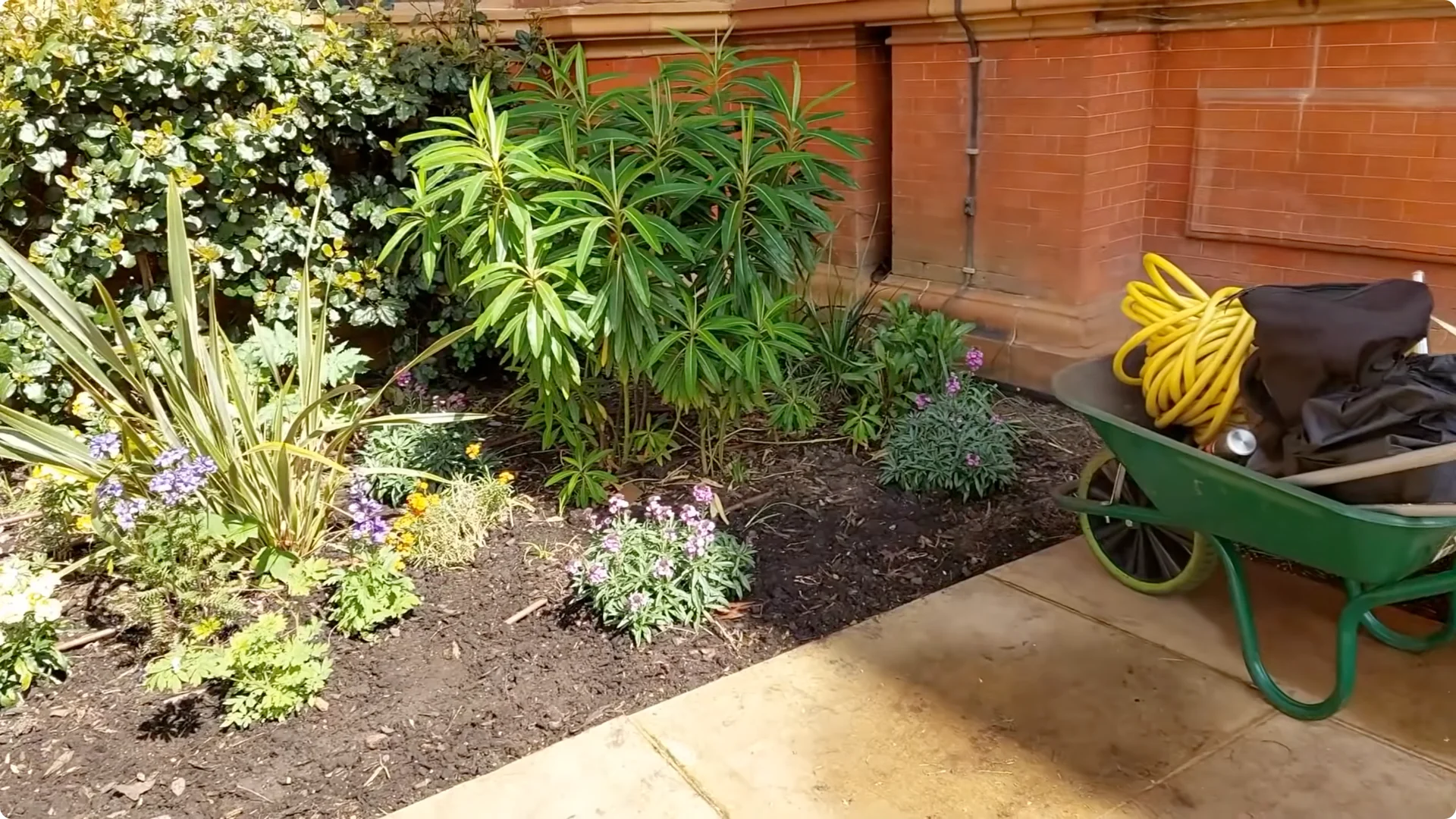
Retail ranges that offer everything in a matching set had a real moment. It solved a genuine problem because making it all look coherent is hard. If everything comes from the same range, the work is done for you.
Here is what happens. These collections are trend driven product lines that get updated or discontinued. The range you built your garden around might not exist in the same form in three years.
When one planter gets cracked or one piece fades differently, the replacement does not match quite right. The colorway shifted slightly in the new production run. Now you have a mostly cohesive garden with one obviously wrong piece.
The deeper problem is that a perfectly matched garden looks like a showroom. Real outdoor spaces that age well have variety and patina. A match set fights against that.
Mix with intention
Choose a main material like corten steel planters. Add a secondary natural material like timber or stone and one accent. The space builds character over time rather than slowly losing it.
4. Gravel and shingle as ground cover everywhere
Gravel got sold as the ultimate low maintenance option. Pour it once, top it up every few years, and you are done. No mowing, no watering, drought tolerant, modern looking.
The reality is different. Gravel migrates into lawns, borders, and onto patios. One mower pass through a gravel edge and you are throwing stones and picking debris out of the lawn.
Weeds do not care about gravel. They come up through ground fabric and even root into the stones. Pulling weeds out of gravel is a miserable job.
Mulch suppresses weeds better over time because as it breaks down, it improves the soil. That makes it harder for weed seeds to germinate. Gravel does none of that.
There is also the heat problem. Gravel absorbs heat during the day and radiates it back at night. Beds surrounded by gravel run hotter and plants start struggling by midsummer, so you end up watering more.
I redesigned a front garden that had been fully graveled a few years earlier. The fabric was torn and visible at the edges and gravel had spread into the surrounding lawn. The owner was spending more time managing it than on the old planted border.
Smarter ground cover
For planted borders, use organic bark mulch. It suppresses weeds, feeds the soil, and does not migrate. For paths and structural areas, decomposed granite with solid edging compacts firm, lets water through, and stays where you put it.
3. Artificial turf next to planted borders
Running artificial lawn right up to planted borders looks great on day one. Crisp, defined, low maintenance. Within two seasons, the edge becomes a debris trap.
Leaves, soil, mulch, and organic material collect in the joint between the turf and the border. The clean line disappears under a permanent buildup. No amount of tidying fully removes it because the gap keeps filling.
There is also a heat issue. Artificial turf raises the temperature of the surrounding microclimate. Edge plants start to struggle and you get a patchy border.
Visually, the combination is now tied to a particular era of budget garden work. It no longer reads as a design choice. It reads as a cost cutting decision.
Better edges
A spade cut edge between real lawn and a border is free, clean, and needs touching up once a year. If you want no lawn maintenance at all, a narrow planted ground cover strip like creeping thyme, chamomile, or a low ornamental grass handles the edge better and does not trap debris.
Read More: Soaking Rose Cuttings Fast Rooting Blooming
2. Trend material feature walls
Feature walls built around whatever surface was peaking at installation had a moment. Fluted render, terrazzo panels, large format geometric tile, exposed aggregate. Each felt fresh and architectural at the time.
Here is the problem with building a trend into a permanent surface. You cannot change it without significant demolition, disposal, and reinstatement costs. Suppliers have a commercial interest in creating trend cycles.
By the time a finish reaches the mainstream market and mid range contractors, the design world has already moved on. I know a garden where a fluted render wall looked exactly right in the year it went in. Three years later, that same finish was in every budget hotel corridor and fast casual restaurant.
The garden still looked fine, but it no longer looked considered. The owner knew it and could not do much about it. Permanent surfaces should stay timeless.
Keep it timeless
Natural stone, plain lime render in a neutral tone, reclaimed brick, timber in its natural range. Let planting, lighting, and accessories carry the personality and the current aesthetic. Those can change as your taste changes, your render cannot.
1. The garden space you cannot see from inside
Destination garden spaces, zones, and curated areas looked incredible in every magazine spread. There is nothing wrong with the concept except one thing. People do not use outdoor spaces they cannot see from inside the house.
That is not an opinion. It is a consistent finding across research on how people actually behave in their homes. If your primary space is not in the sightline of your kitchen or living area, it becomes psychologically remote.
I have seen this clearly in two nearly identical gardens. One had the main seating area visible from the kitchen window and it was used almost every day in decent weather. The other, around the corner with better sun and shelter, got used on special occasions.
Designers and showrooms sold a vision that photographs brilliantly. It just does not reflect how most people move through their homes and gardens. The garden you can see is the garden you use every time.
Plan it in the right place
Step 1. Stand at the windows you actually use, your kitchen and main living room. Work out what you can see.
Step 2. Put your primary outdoor space inside that view. If the back door does not line up, a short connecting path is a tiny cost.
Step 3. Do not build an entire outdoor space that gets used four times a year. Build the one you will walk into without thinking.
Final thoughts on Declining Garden Trends
If you have two or three of these already, that is fine. Most of them are fixable, and some just mean making a better call next time rather than ripping out what is there. The goal is to save you from making the same ones going forward.
A good garden gets better the longer you have it. Better plants, better patina on the materials, better understanding of what you actually use and what you do not. That only happens when the decisions were sound from the start.