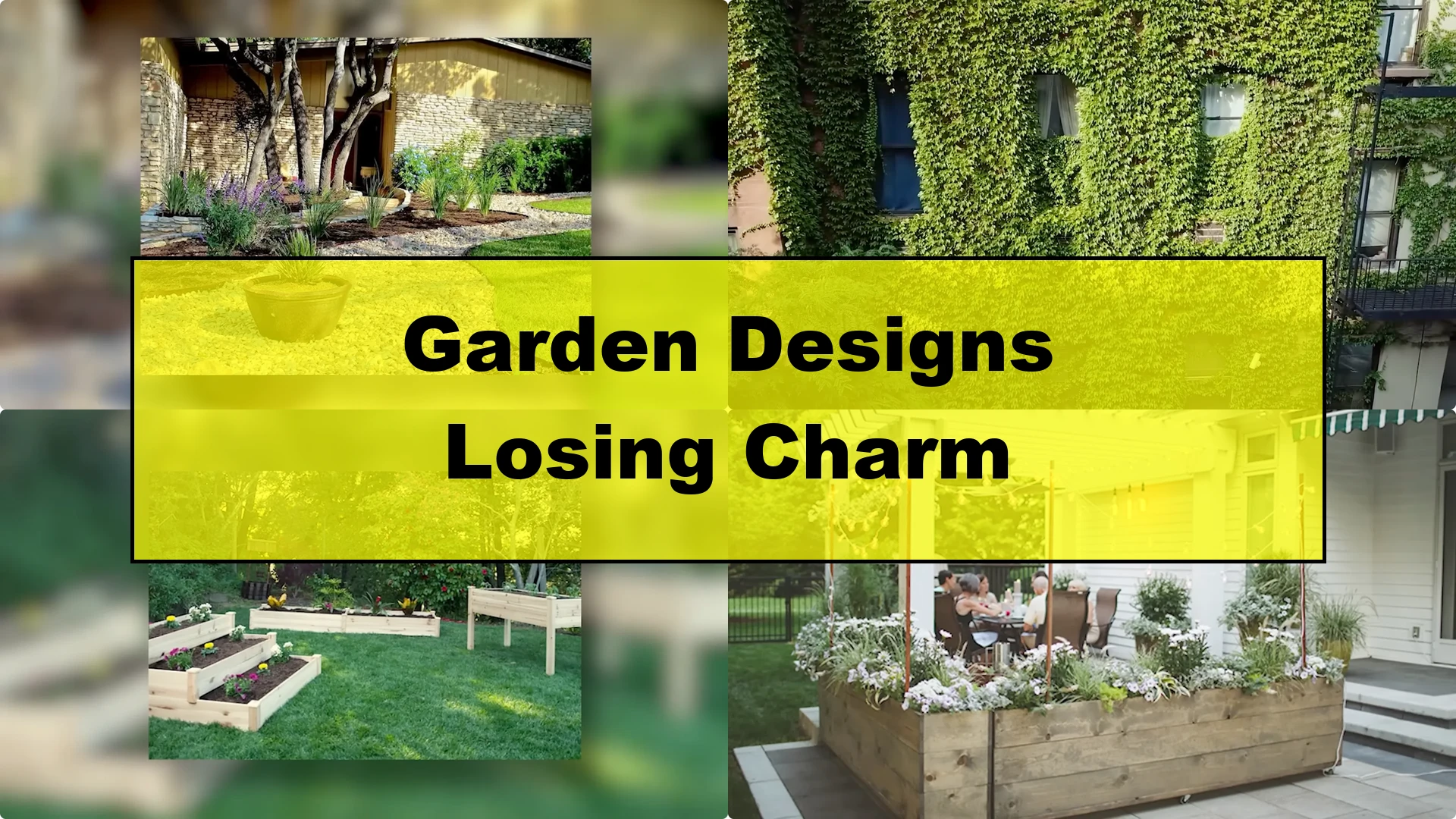
Walk through any Instagram garden built in the last 3 years and you’re basically looking at a countdown clock. Right now homeowners across the country are sitting on outdoor spaces that looked incredible on Pinterest and are quietly destroying their property value. Number three on this list is in roughly half the yards built between 2020 and 2023.
If you have it, you’re likely spending money on it every single month without realizing why. Here are the choices that keep backfiring and what to do instead.
10 Landscaping Trends to Avoid
10. Minimalist gravel yards
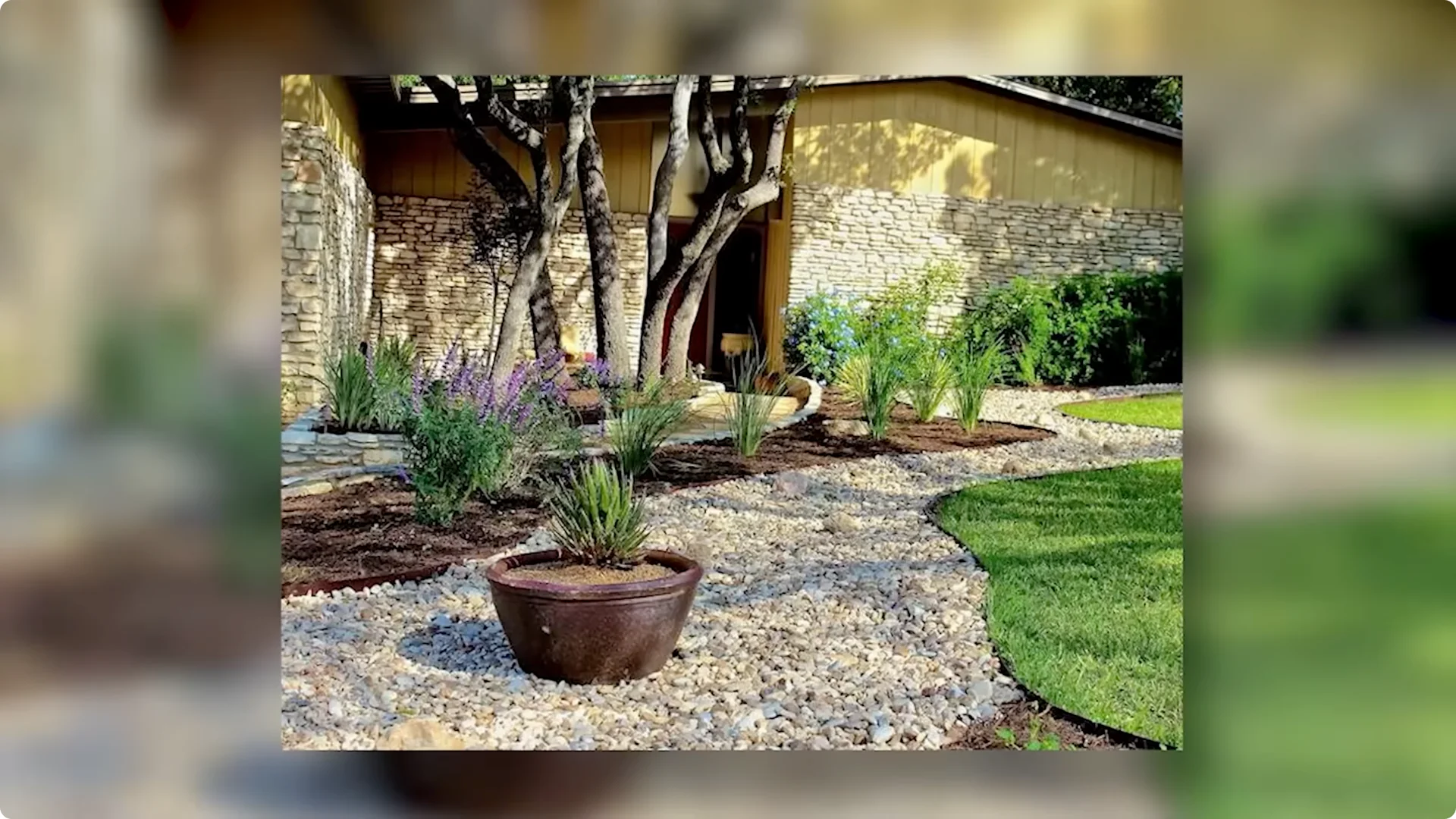
Those all gravel yards with maybe one tree standing in the middle sounded lowmaintenance. Designers sold this as drought tolerant and modern. Zero mowing, minimal watering, Instagram appeal.
What goes wrong
Gravel becomes a weed nightmare within 6 months. Those fabric barriers under the gravel, weeds grow right through them. Seeds blow in and grow in the dust between stones.
Pulling weeds from gravel is 10 times harder than pulling from soil. The rocks shift and your hands get torn up. The roots break off and grow back.
Your lowmaintenance yard now needs constant weeding or monthly chemicals just to look decent. Gravel gets dirty fast and it tracks into your house. Within two years, that clean, modern look becomes dusty and messy.
In hot weather, gravel gets burning hot. Your yard becomes too hot to use in summer. One client put gravel in their front yard and 6 months later, they were spending 3 hours every weekend fighting weeds.
Two years in, they paid to remove all the gravel and start over. That costs more than doing it right the first time.
Better approach
Use gravel smartly, not everywhere. Pathways only, maybe 20 percent of your total space. Mix it with ground covers that stop weeds, creeping thyme, sedum, or native grasses.
These look better and need less work than gravel ever will.
9. Aggressive ground covers
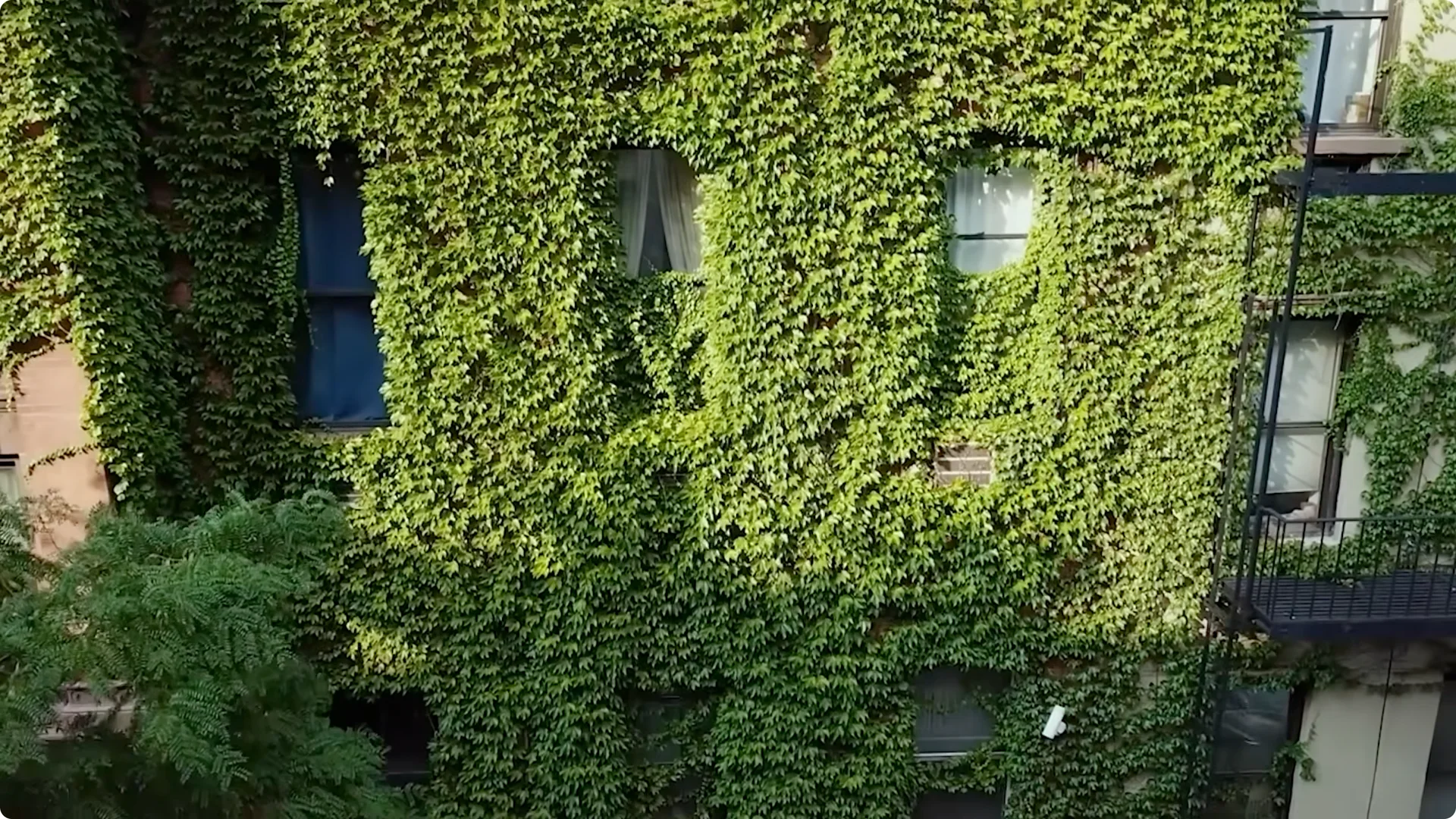
Those fast growing ground covers garden influencers love look like problem solvers. Creeping jenny, vinca, English ivy. They’re sold as fixes that cover bare spots and stop weeds.
Designers love them because new yards look full right away. Fast growing means aggressive. These plants don’t know boundaries.
They’ll kill everything you actually want. I’ve seen English ivy destroy trees. One client planted creeping jenny in one small bed and within 18 months, it was everywhere.
Every bed, the lawn, through cracks in the house, the neighbor’s yard. She spent 2 years trying to kill it. Every tiny root piece grows back.
You pull it up, think you got it all, and two weeks later it’s back. Once these plants take over, they’re almost impossible to remove. You’ll fight them for years.
The irony, you planted it to save time. Now you’re spending more time fighting it than regular gardening takes.
Better choices
Choose ground covers that spread slowly. Sedums, hardy geraniums, creeping phlox. These fill in on your schedule, not theirs.
Native ground covers won’t take over because they belong in your area. Honestly, mulch is boring, but it works while better plants grow in.
If indoor plant care is on your mind, see hard to kill houseplants for simple options that thrive with minimal effort.
8. Fancy multilevel raised beds
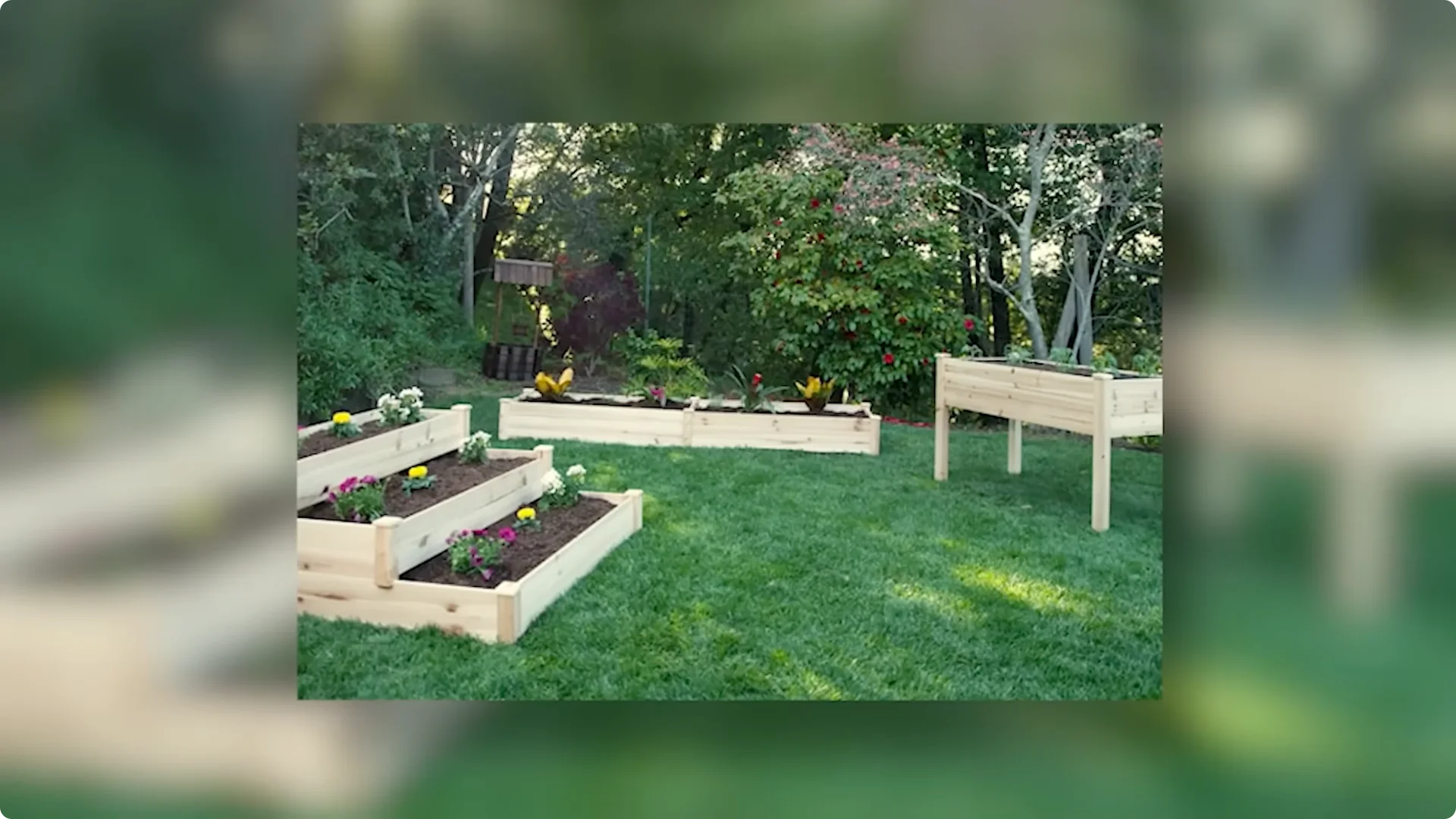
Those matching cedar beds in patterns at different heights with built in watering systems look organized. You saw them and thought that would make you want to garden. Cedar rots fast when it touches wet soil.
Those 200 dollar beds, within 3 to 5 years, they’re rotting, warping, and falling apart. That fancy watering system clogs and breaks. All those different heights that looked cool are hard to work with.
Tall ones are uncomfortable to reach. Short ones hurt your back. They waste space and limit what you can grow.
Raised beds dry out faster than regular gardens. You’re watering all the time. Soil settles every year and needs refilling and that’s expensive.
Want to change your layout or grow different things? You can’t. You’re stuck with that setup forever unless you tear it all down.
One client built 12 beds at three heights for 3,000 dollars. After 2 years, he wanted something different. But those beds were permanent.
We had to remove everything and start fresh. He should have kept it simple.
Better approach
Keep it basic. Simple beds, all one height, built with wood that won’t rot. Or just improve your existing soil.
It’s cheaper and you can change your mind later. If you need to move things around, use containers. Spend money on good soil, not fancy wood that’ll rot.
7. All white gardens
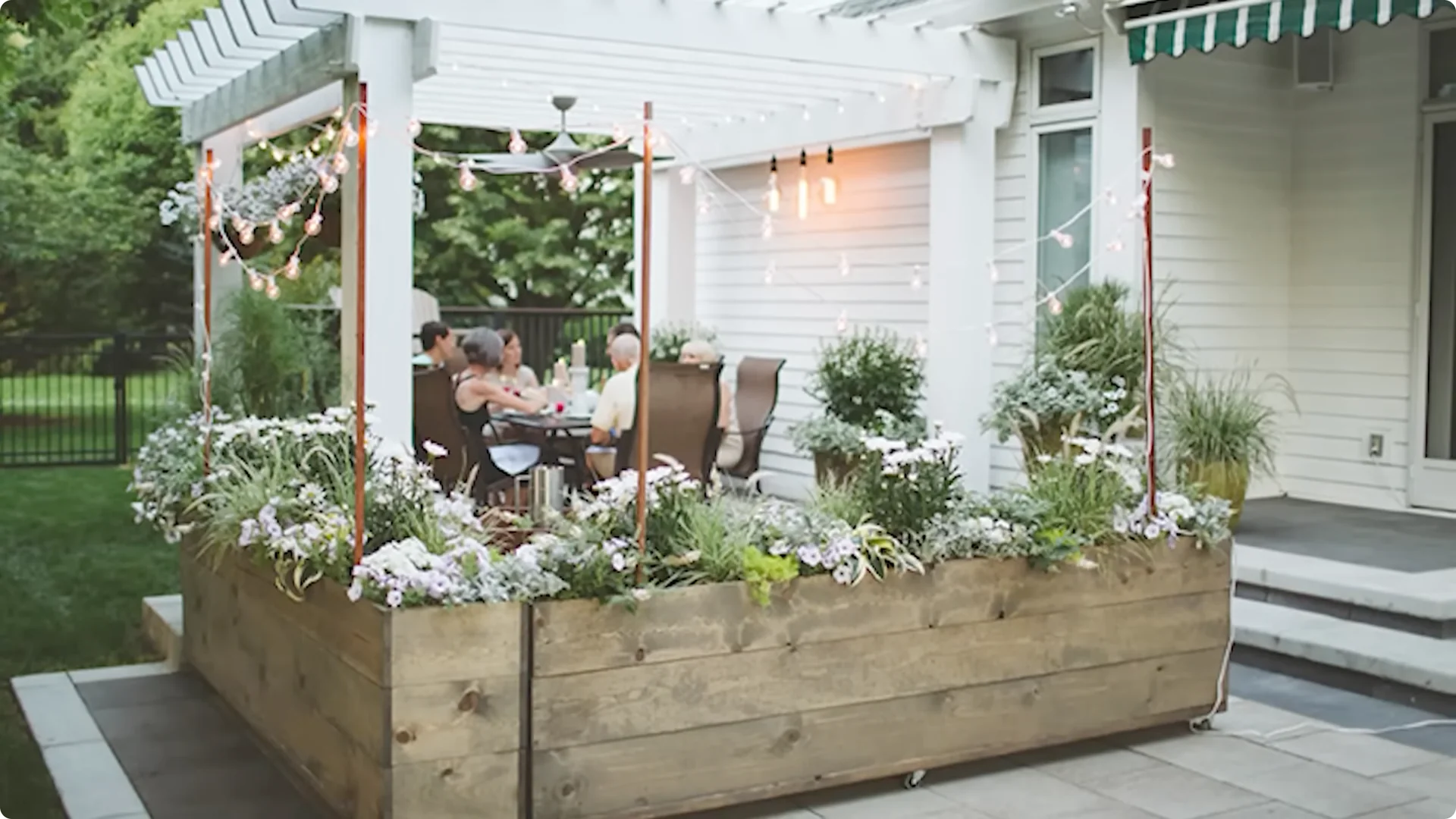
The all white garden looked fancy in photos. Design magazines love gardens with only white flowers and silver leaves. You thought this was timeless and classy.
All one color is boring in real life. White flowers die fast and need constant trimming. Without different colors, your garden looks the same all year.
Spring looks like summer looks like fall. Nothing exciting happens. White flowers show every bit of damage.
Brown edges, bug holes, weather damage all show up. One dead plant makes a huge obvious hole. One client made an all white garden based on famous gardens she’d seen.
First year looked great, but needed work every single day. By year two, she was tired. By year three, she hated it.
Every time she looked outside, she saw more work. We added blues, purples, and soft yellows. Suddenly, the garden felt alive.
She could relax again.
Better approach
Use a few colors, not just one. Whites with blues and purples or whites with soft yellows. Add different leaf colors like silver, purple, and bright green.
Let your garden change with the seasons. That’s what gardens are supposed to do.
For help avoiding common indoor plant pitfalls, see common Monstera mistakes so your houseplants can actually thrive.
6. Permanent outdoor kitchens
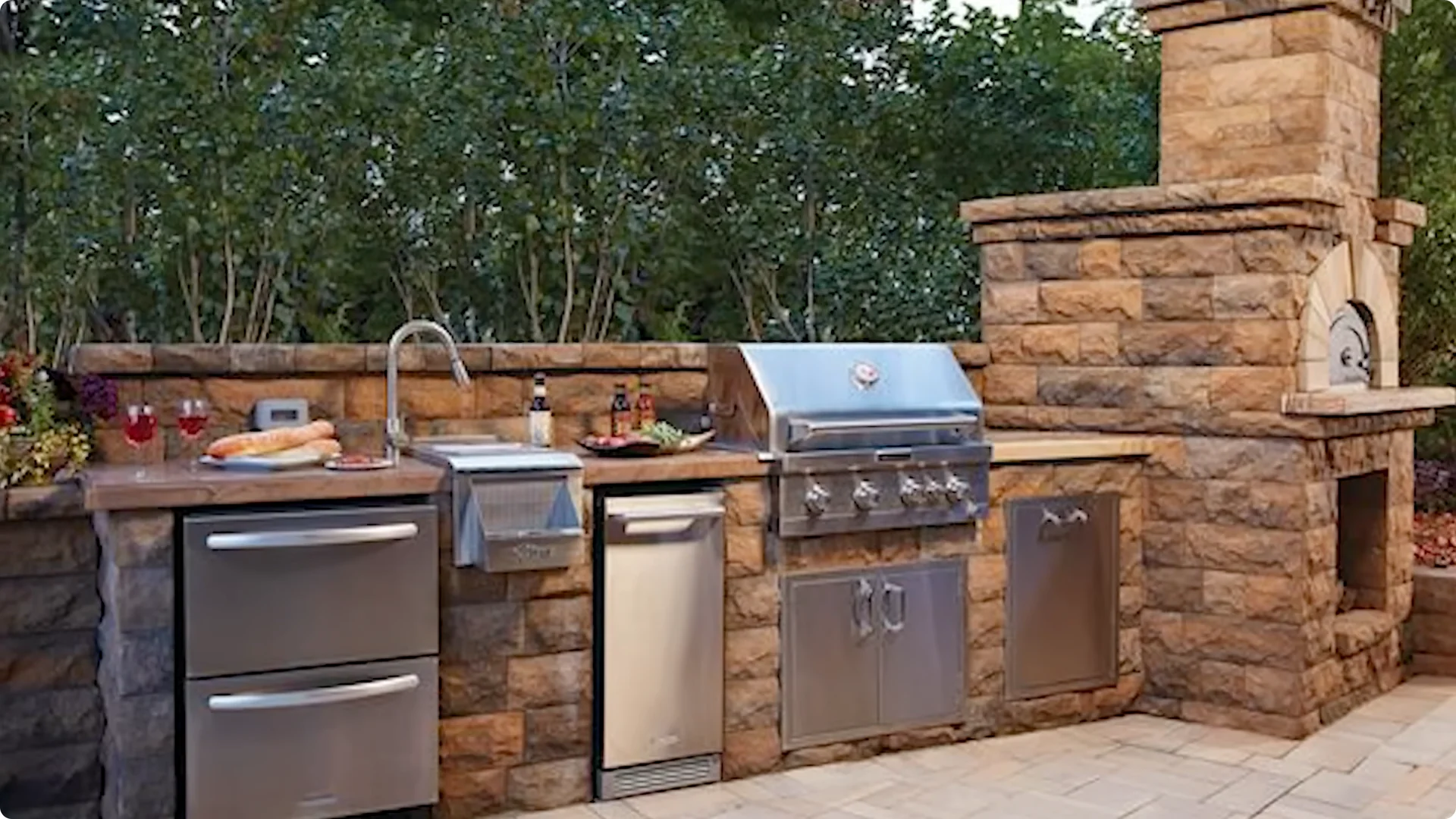
Those permanent outdoor kitchens with everything built into stone look impressive. Built in grills, pizza ovens, refrigerators, sinks, all in permanent stone. These cost 10,000 to 30,000 dollars.
Designers love them and homeowners love the idea of cooking outside. Outdoor appliances break down fast, even good ones. That built in grill rusts and breaks within 5 to 7 years.
You can’t just replace it because it’s built into a custom space. New models don’t fit. Now you need an expensive custom replacement or you have an empty hole in your 15,000 dollar outdoor kitchen.
Most families use fancy outdoor kitchens maybe 15 times per year. That’s hundreds of dollars per use for something that sits outside all year getting ruined by weather. The outdoor fridge becomes a beer cooler.
The pizza oven gets used twice. The sink never gets used because your regular kitchen is right there. One couple spent 28,000 dollars on an outdoor kitchen.
They used it a lot the first summer, less the second, barely the third. When things broke, repairs cost 4,000 dollars. They didn’t fix it and now it just sits there.
Better approach
Buy a good portable grill you can replace when it breaks. Good ones cost 1,500 to 3,000 dollars. Get weatherproof storage.
Spend money on comfortable seating and lighting. A simple prep table and portable burner work great without locking you in.
5. Trendy paver patterns
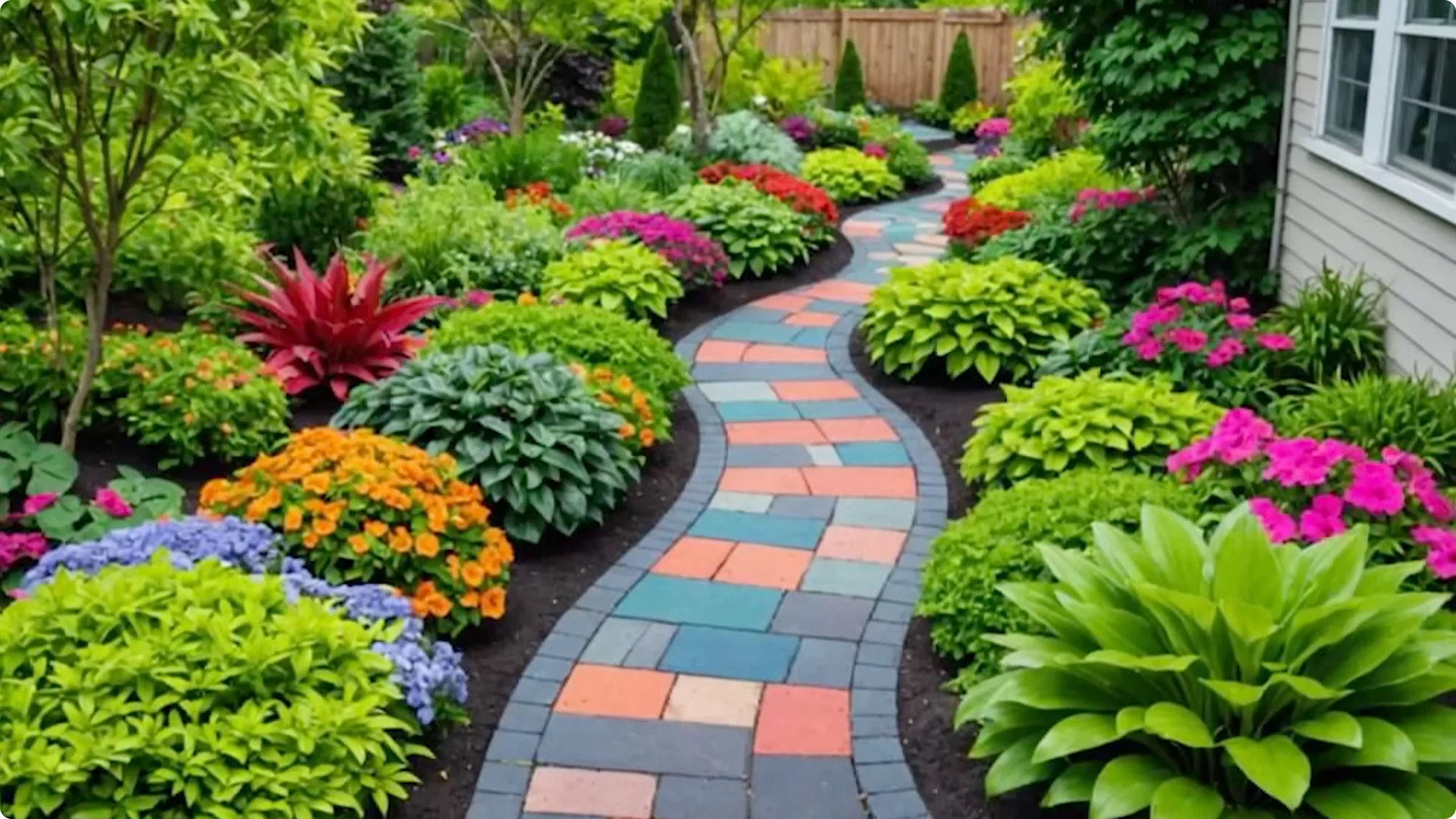
Those trendy paver patterns in bold colors look exciting at first. Fancy patterns in dark grays, geometric designs, charcoal and slate blue pavers. You thought this looked modern and would stay that way.
Specific paver patterns date your space instantly. In 10 years, people will know you installed these in 2023 to 2024. Those dark colors show every bit of dirt, pollen, and leaf stains.
They get super hot and burn bare feet. Complex patterns cost more to install and fix. One cracked paver in a fancy pattern is a nightmare to match or hide.
Better approach
Stick with classic patterns. Simple brick like layouts, basket weave, and basic grids never go out of style. Choose neutral tan or warm gray colors.
Use bigger pavers for easier cleaning. Let your furniture and plants add personality, not your patio stones.
4. Giant grass plantings
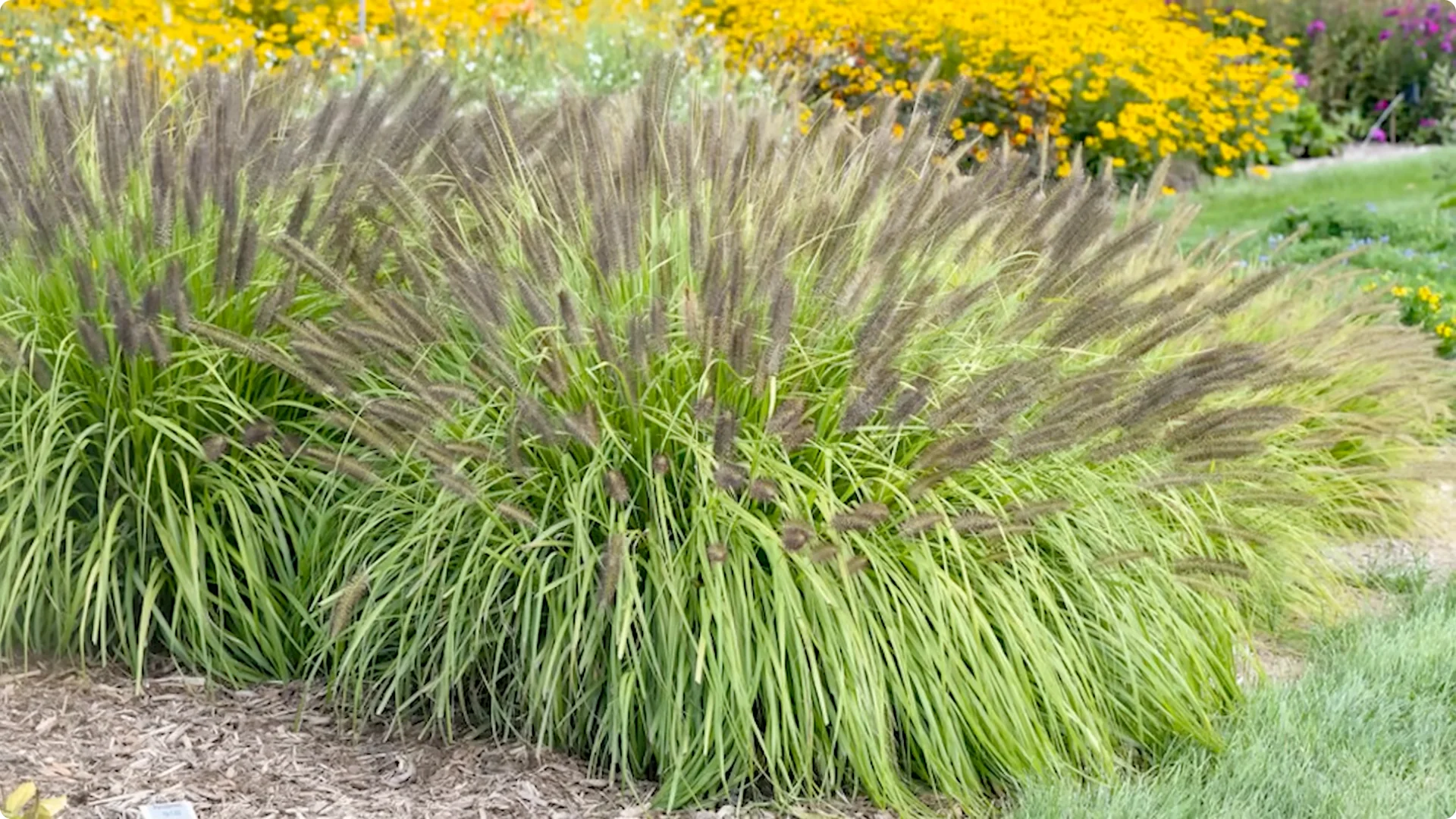
Giant grass plantings are taking over every modern yard. Huge bunches of maiden grass, fountain grass, switch grass are everywhere. Designers love them for low water needs and modern looks.
These grasses need brutal yearly cutting. Try cutting down 40 huge clumps of dried grass every spring. Each clump is 4 feet wide and 5 ft tall.
The dried stalks are tough and sharp. It takes hours every year. They spread seeds everywhere.
Within 2 years, you’re pulling baby grass plants from everywhere. The main plants split apart within 3 to 4 years and need dividing. Digging up big grass clumps is really hard work.
Everyone has these now because they’re everywhere. They’ll feel dated fast. They look great in fall and winter, but the rest of the year they’re just boring green clumps.
Without other plants, there’s nothing interesting to see.
Better approach
Use grasses as accents, not your whole yard. Mix them with flowers that bloom in summer when grasses are boring. Black eyed susans, coneflowers, salvia bring color and life.
Choose smaller types. Keep grasses to 20 or 30 percent of your plantings. Use them for movement, but let other plants be the stars.
3. Sleek fountains and water features
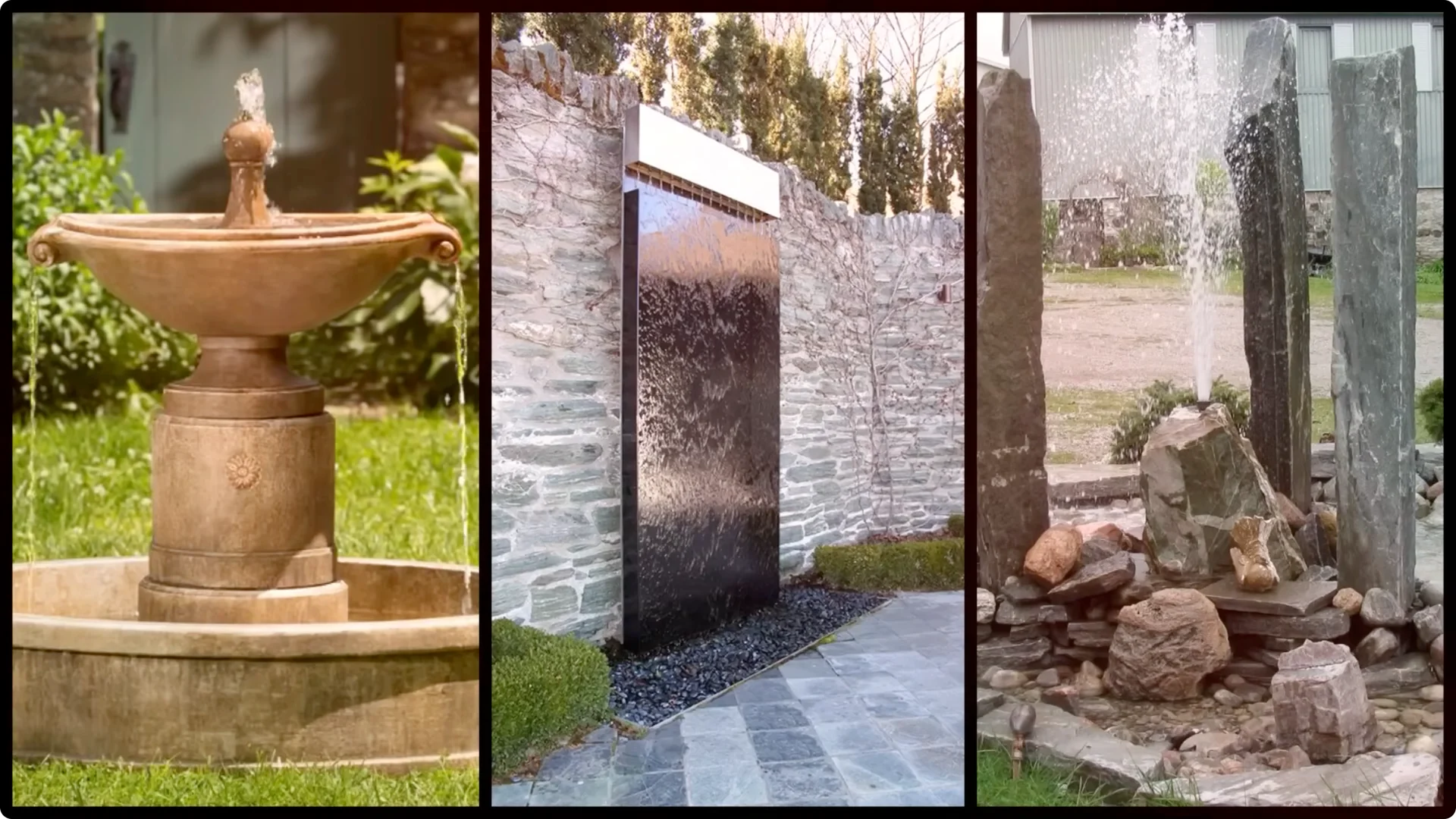
Those sleek fountains and water features promise peaceful vibes. Fancy urn fountains, modern steel water walls, bubbling rocks all look great on day one. Number three is also the one quietly costing you money month after month.
Water features need constant attention or become disasters. Green algae grows within 2 weeks without chemicals. Pumps clog every month and break every few years at 100 to 300 dollars each.
White crusty buildup appears everywhere. One client spent 8,000 dollars on a modern fountain and loved it the first summer. Then reality hit.
Water needed refilling every few days. Weekly chemical treatment and monthly pump cleaning became a chore. By year two, she was over it.
By year three, it’s been dry all season. That was 8,000 dollars for one season of use. Standing water brings mosquitoes.
Even moving water can breed mosquitoes. You’ve made a mosquito factory and now you’re treating water constantly and swatting mosquitoes. You put it in to make your yard nice and instead, it made it unusable.
Better approach
If you must have water, keep it simple. A bird bath you can dump and refill takes 30 seconds. Or a small solar fountain for 50 dollars that you replace when it breaks.
Buy comfortable seating and outdoor lighting instead. That makes nice ambiance without all the work.
If you love easy plant projects, see ideas for indoor plants that grow in water and skip the outdoor maintenance headaches.
2. Ripping out all lawn
This problem sneaks up on everyone. Ripping out your entire lawn without thinking it through sounds smart in headlines. Every article says lawns are bad, so you hired someone promising a native meadow or pollinator garden.
No more mowing or watering, just natural beauty. What you got is a weedy mess neighbors complain about. Native gardens need two to three years to look good.
During that time, they look like abandoned lots to everyone else. Neighbors think you gave up. Your kids have nowhere to play.
Your dog has nowhere to run. You have no space to actually use. The city may fine you if plants get too tall.
Your neighbors hate it. This hurts property relationships and resale value. When you sell, buyers see that meadow and think that’s work they don’t want.
They’ll factor in putting grass back. Your environmental choice became a money problem.
Better approach
Reduce lawn and don’t remove it all. Keep grass for playing and activities and replace unused areas with plantings. That strip by the fence is great for natives.
The slope that’s hard to mow is perfect for ground covers. Make native gardens look designed with clear edges and paths. Change things slowly over 3 to 5 years.
Test what works before going all in.
1. Forcing tropical looks
The trend that dates gardens faster than anything is forcing tropical looks where they don’t belong. Huge elephant ears, cannas, and banana trees in cold areas look dramatic the day you plant them. Spring planting looked great and summer felt like a jungle.
These plants die completely in winter in most places. October through April, your jungle is brown, dead stalks and empty beds. That is 6 months of dead yard.
Many need digging up and storing indoors every year. Elephant ear bulbs and canna roots need garage space with the right conditions. Or treat them as annuals and spend hundreds every spring on plants that die in 6 months.
Neither choice is actually lowmaintenance. Tropical looks are super popular right now. When something peaks, it’s about to go out.
In 5 years, this will look as dated as early 2000s yards. One client spent 4,000 dollars on tropical plants. Looked great in summer and dead by October.
She dug everything up and replanted for 2 years. By year three, she was done. We replanted with things suited to her area.
Suddenly, her garden looked good all year.
Better approach
Work with your weather, not against it. In cold areas, use hostas or other big leaf plants that survive winter. In dry areas, use desert plants like agaves.
Let your yard reflect where you actually live. That’s real and looks good all year.
Final thoughts on Landscaping Trends to Avoid
If you already did these trends, don’t panic. Most are fixable without starting over and small changes make a big difference. You can slowly remove gravel, kill invasive plants over time, simplify raised beds, and add color to one color plantings.
Tweak what you have and let the space evolve. Focus on comfort, usability, and plants suited to your place. That is how you protect your time, sanity, and property value.