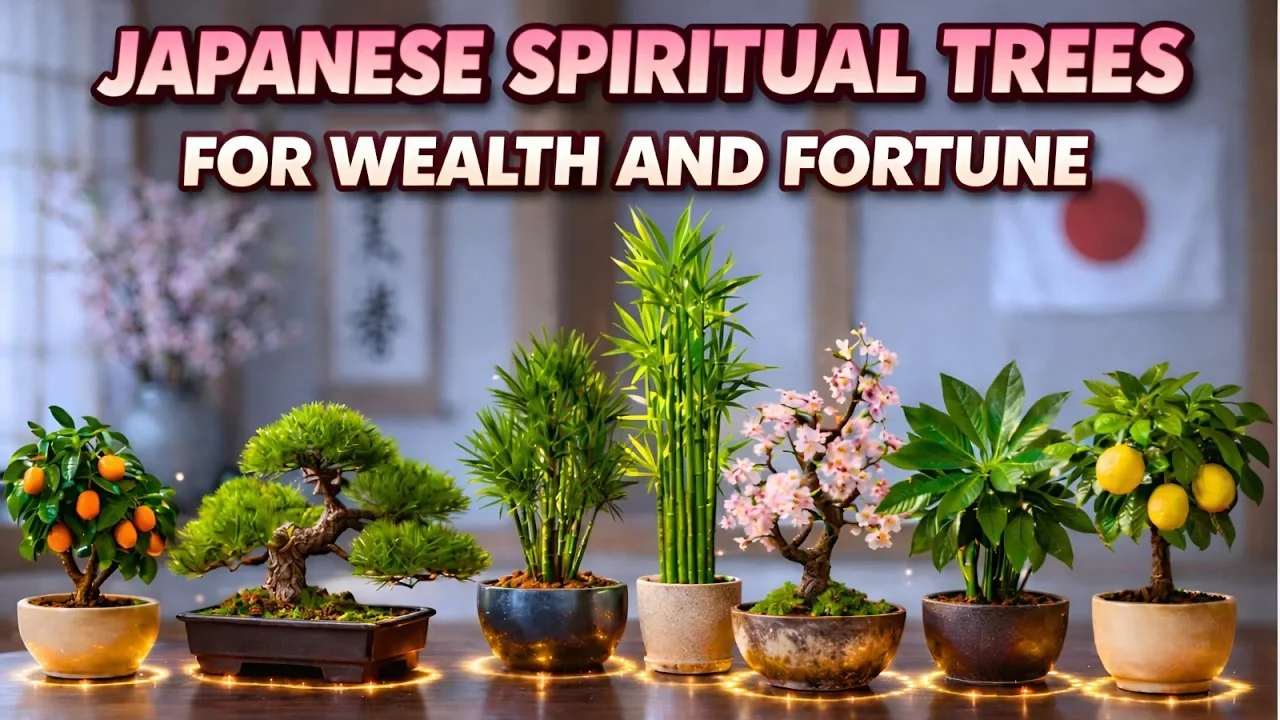
Few people know that in a traditional Japanese home, plants have never been just an element of decor. While in the West they are perceived as a beautiful addition to the interior, the Japanese elite have for centuries used them as living tools for tuning the energy of a space. This approach forces one to take a fresh look at familiar things.
Many of us have wondered at least once why wealth multiplies in some families for years as if by itself, while in others money slips through the fingers like water through a sieve even with all titanic efforts. Japanese philosophy asserts that it is not only about hard work but also about the ability to manage energy flows within one’s personal space. There are special magnet trees capable of attracting well-being and holding on to it, creating conditions for prosperity.
One of them is called the golden crown in Japan with the belief that its fruits are tangible luck, while another possesses leaves resembling an open palm ready to catch any escaping opportunity. Here are the plants that can add aesthetics to your home and become silent allies in achieving success. I also reveal exactly which combination of these plants creates a true abundance code for your home.
1. Japanese Indoor Prosperity Trees and Wealth Energy
Plants in this tradition are not superstition. They are a spatial practice that aligns mood, focus, and opportunity. Treat each tree as a symbol and as a daily training tool for discipline and clarity.
2. Japanese Indoor Prosperity Trees: Kinkan Kumquat
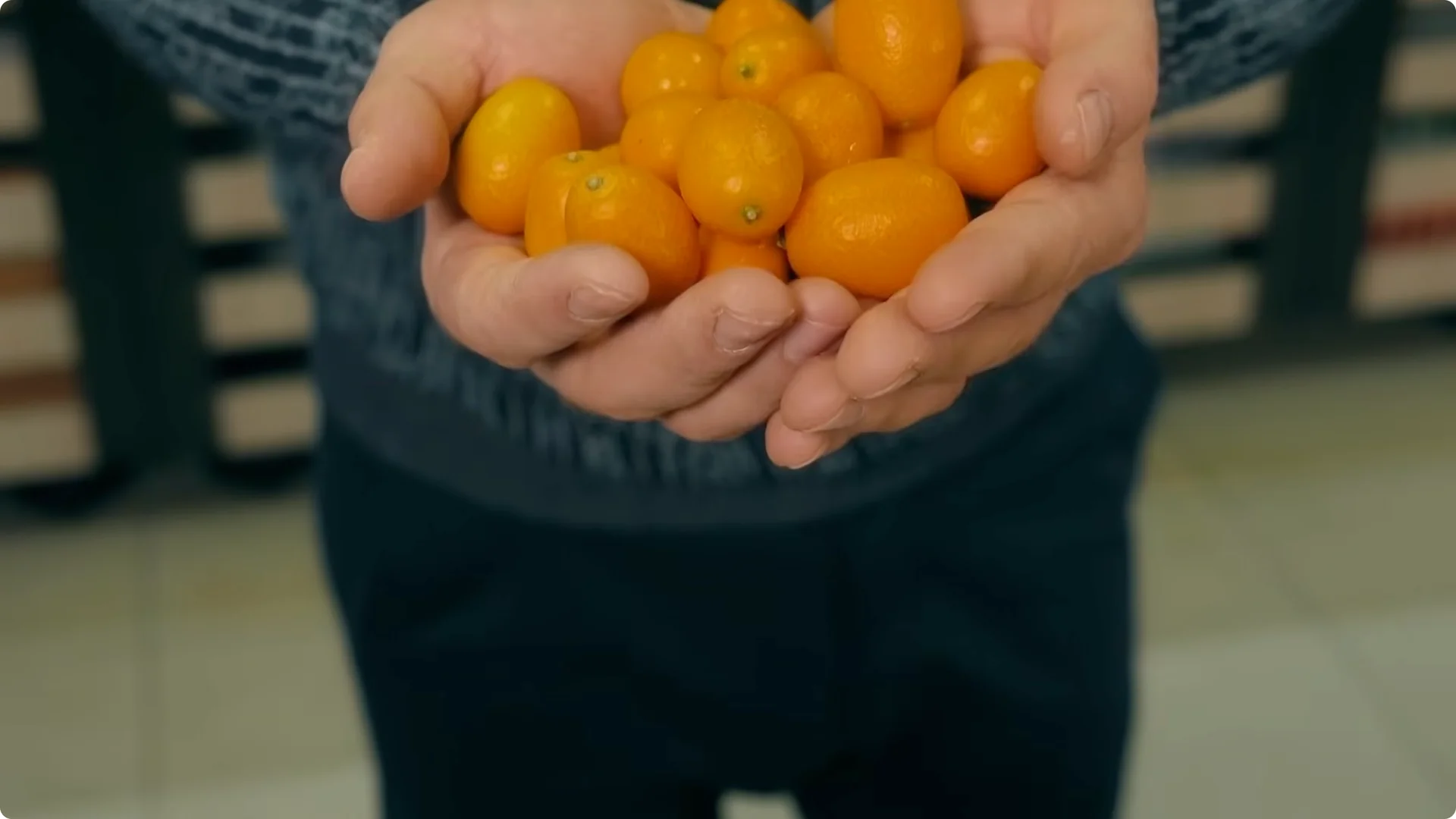
Kinkan or indoor kumquat is not just an interior decoration but a literal embodiment of wealth that you can grow on your own windowsill. This elegant little tree with a dense crown of glossy dark green leaves looks incredibly expensive and high status even without fruit. Its main value is a scattering of small golden citrus fruits that glow against the greenery, resembling a Christmas garland.
In Japanese tradition, kinkan is called the golden crown. Every such tree is considered a powerful magnet for money flows because of the color and shape of its fruits, which symbolize gold coins. Kinkan also carries a deeper philosophical meaning hidden in its taste.
It is the only citrus meant to be eaten whole. Its peel is surprisingly sweet, while its flesh is tart and sour. The sweetness of triumph always goes hand in hand with the sourness of hard daily labor.
Activation and care for Japanese Indoor Prosperity Trees
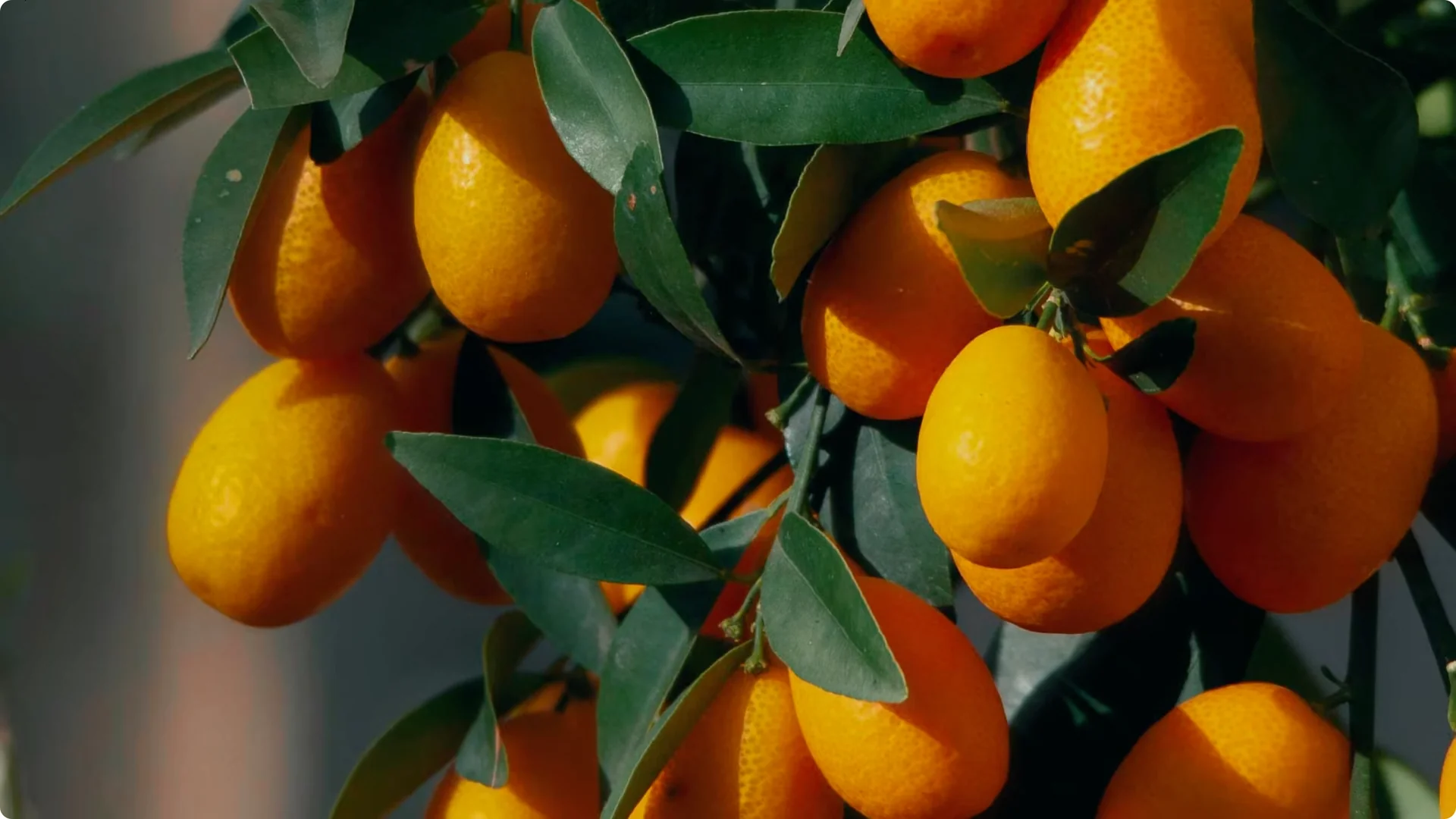
To activate money energy, place kinkan in the southeastern part of the home that is responsible for prosperity. It is extremely important to monitor the plant’s health because a withering tree can have the opposite effect. During blooming, kinkan fills the room with a delicate fragrance that promotes emotional comfort and helps one gently tune in to a productive workday.
For reliable fruiting, purchase an established grafted tree from a nursery. This increases the chance that the gold coins will appear on the branches in the very first year. Healthy glow on the leaves and steady flowering are your signals of an activated prosperity symbol.
Read More: Aloe Vera Care Tips Indoor Plant 2
3. Japanese Indoor Prosperity Trees: Black Pine Matsu
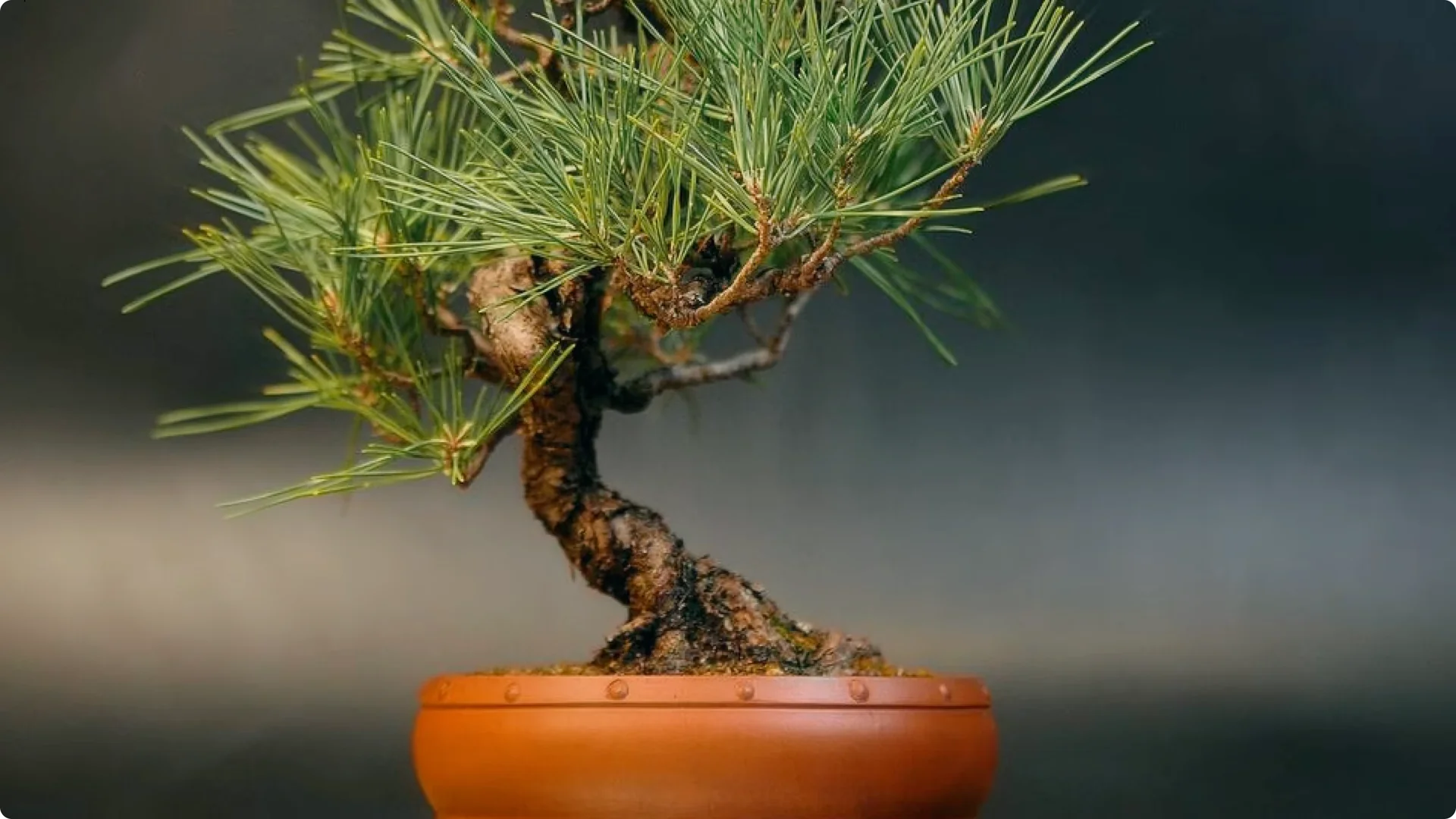
Japanese black pine known as matsu is a plant of potent energy and is considered the king of the bonsai world. In the ancient art of cultivating miniature copies of tall trees, it perfectly replicates the appearance of its forest giants. If the kumquat attracts fast money, then matsu is a symbol of longevity, unwavering will, and the building of a true empire.
In Japanese mythology, pines are revered as sacred objects that serve as a celestial ladder for the kami gods descending to earth. Possessing such a tree in one’s home means securing the patronage of higher powers and ensuring stability for many years to come. Its rough, deeply fissured bark resembles the skin of a wise elder, while its stiff needles symbolize protection.
Outdoor reality for Japanese Indoor Prosperity Trees
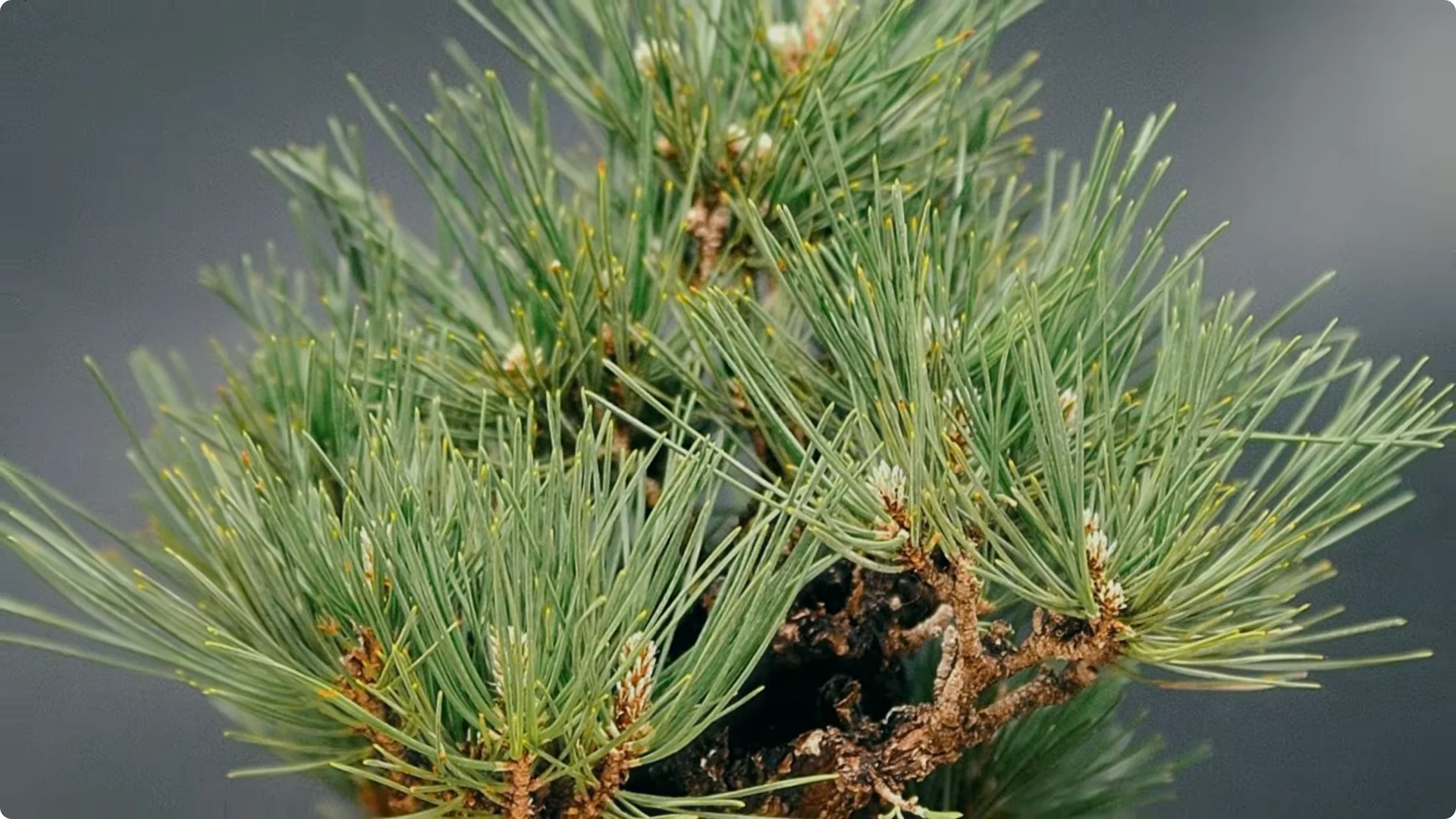
Matsu is an outdoor tree by nature. For it to truly become the guardian of your well-being, it requires the change of seasons. Keeping it in a stuffy living room year round means slowly weakening your talisman.
A true matsu bonsai must live on an open balcony or terrace, feeling the breath of the wind and the winter chill. In exchange for such care, the tree forms an impenetrable energy shield around the home, filtering out negativity and misfortune. In Japan, antique specimens are passed down through generations as a primary family heirloom and a guarantee of enduring prosperity.
Interesting fact, the age of some bonsai reaches 400 to 800 years. A striking example is the Yamaki pine which is approximately 400 years old. This tree survived just 3 kilometers from the epicenter of the atomic blast in Hiroshima in 1945.
Read More: Mini jade plant losing leaves indoors
4. Japanese Indoor Prosperity Trees: Golden Bamboo

Golden bamboo or take brings the sound of zen and the energy of rapid unstoppable growth into the home. If you feel that your career or business is stuck in place, bamboo helps break through the glass ceiling. In nature, it is one of the fastest growing organisms on the planet.
In a domestic setting, this pace slows down, but the symbolic power remains unchanged. Bamboo embodies the ideal survival strategy in times of crisis. It is incredibly flexible, bending under hurricane force winds but never breaking, returning to its original position as soon as the storm subsides.
The hollow core of the bamboo stem symbolizes modesty and a pure mind free from prejudice. Only an empty mind is capable of receiving new knowledge and seeing opportunities where others see a dead end. The rustling of its leaves at the slightest movement of air is considered a healing sound that clears the mind of mundane bustle.
Bamboo is also an engineering marvel. Its root system possesses such force that it can burst a thin pot, so sturdy ceramics are always chosen for it. This serves as a reminder that your success must be built upon a very solid, reliable foundation.
Bamboo is a true water lover and the constant presence of moisture in its soil symbolizes the continuous flow of resources into your life. Keep the substrate evenly moist and never let it dry into dust. A stable rhythm of watering mirrors a stable rhythm of income.
5. Japanese Indoor Prosperity Trees: Ardisia Monreo
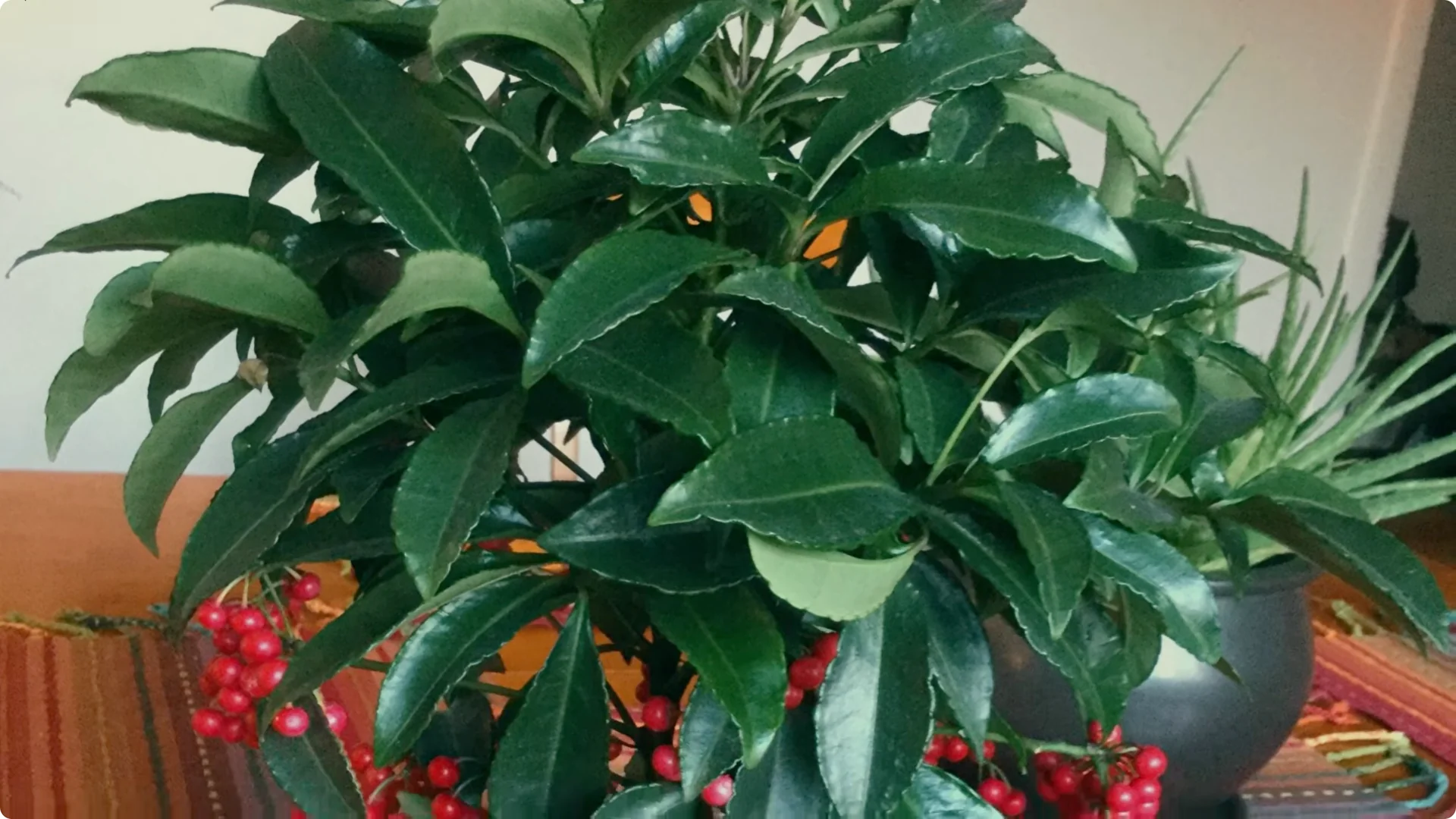
Ardisia crenata known in Japan as Monreo is a literal secret weapon for achieving prosperity. Its name translates to 10,000 ryo where ryo refers to a large ancient gold coin. While the kumquat symbolizes the arrival of money, Monreo is responsible for its preservation and retention.
The appearance of ardisia is full of mysteries. Its bright red glossy berries form beneath a dense canopy of leathery leaves. This is a direct metaphor for hidden treasures that are not flaunted yet constitute the true essence of wealth.
Japanese garden masters prize Monreo for its phenomenal resilience. The berries can remain on the branches retaining their luster for up to half a year or longer. Within this lies a deep esoteric meaning, as wealth should not slip through one’s fingers.
Ardisia is frequently found in the offices of Japanese banks and corporations. The red color of the berries is traditionally associated with vital energy and protection against loss. This plant prefers partial shade, hinting that big money loves silence and cannot tolerate the scorching rays of hustle and bustle.
For all its beauty, Monreo demands respect and caution. Its berries can be harmful to pets, so the tree is best placed on an elevated surface. Treat it as an object requiring distance and a mindful approach.
Read More: Anthurium care tips for indoor blooms
6. Japanese Indoor Prosperity Trees: Pittosporum Tobira
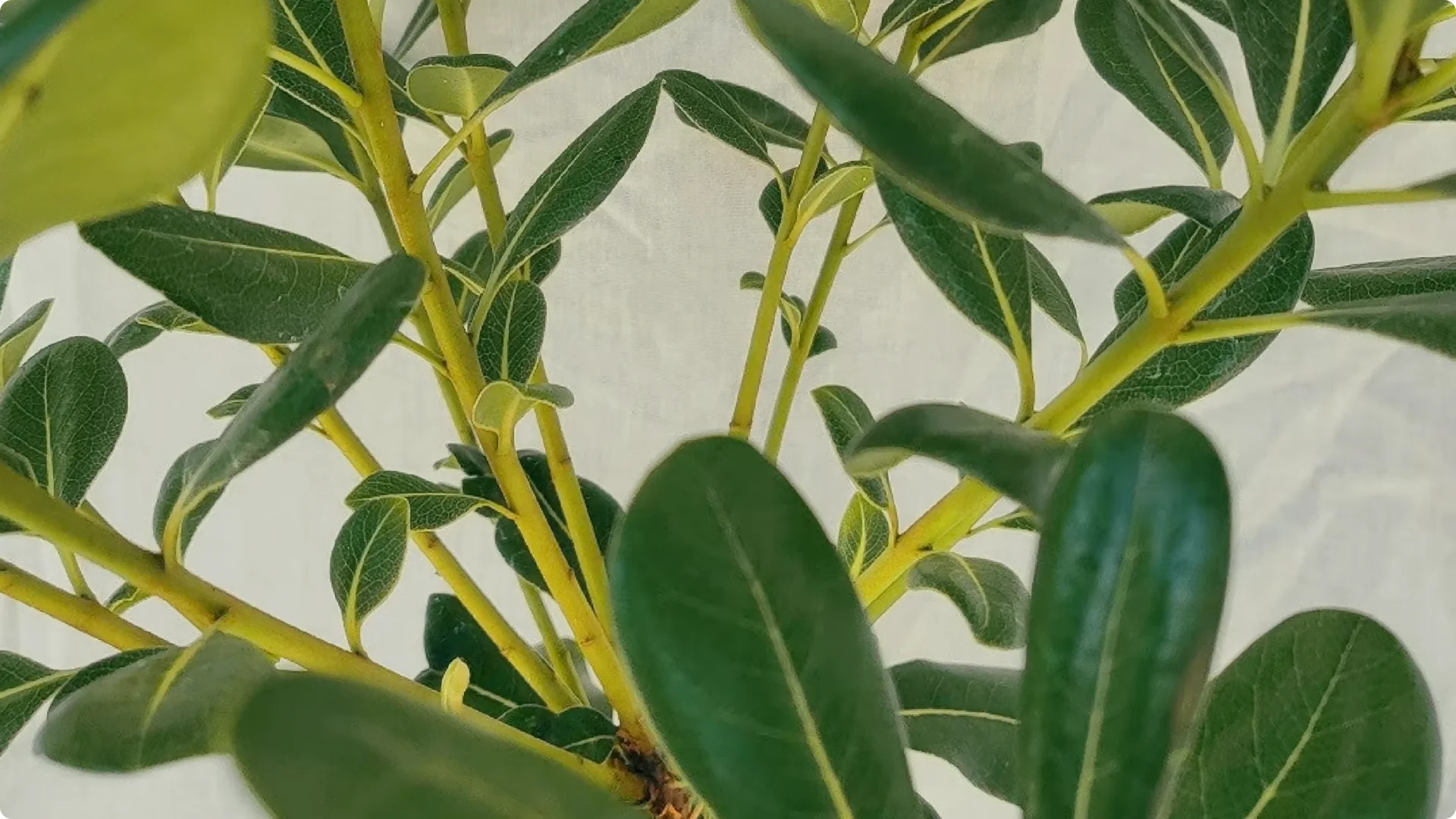
Pittosporum tobira is considered in Japan to be a personal scented guardian and an energy filter. The first thing that strikes you about this plant is its incredible fragrance. During its blooming season, it fills the air with a complex perfume of vanilla, jasmine, and delicate orange blossom.
In the psychology of space, scent plays a vital role. It subconsciously relaxes guests and puts business partners in a favorable mood before you even say a single word. Traditionally, tobira is known as the doorway tree.
In ancient times, the Japanese would hang its branches above entrances to ward off negative vibrations. It acts as a living shield, filtering out people with ill intentions and keeping melancholy away from your home. Its seeds are coated in a thick, sticky, and highly aromatic resin that symbolizes sticky luck.
It is believed that prosperity and golden opportunities will stick to the owner of this tree as firmly as the seeds cling to its branches. Pittosporum is a strong choice for a busy lifestyle. It handles dry apartment air and forgives a missed watering while maintaining a flawless glossy appearance.
This tree does not ask for much, but in return it creates an atmosphere of purity and freshness. That is the foundation where true prosperity begins. Place it near the entry to reinforce protection and welcome fortune.
7. Japanese Indoor Prosperity Trees: Fatsia Japonica
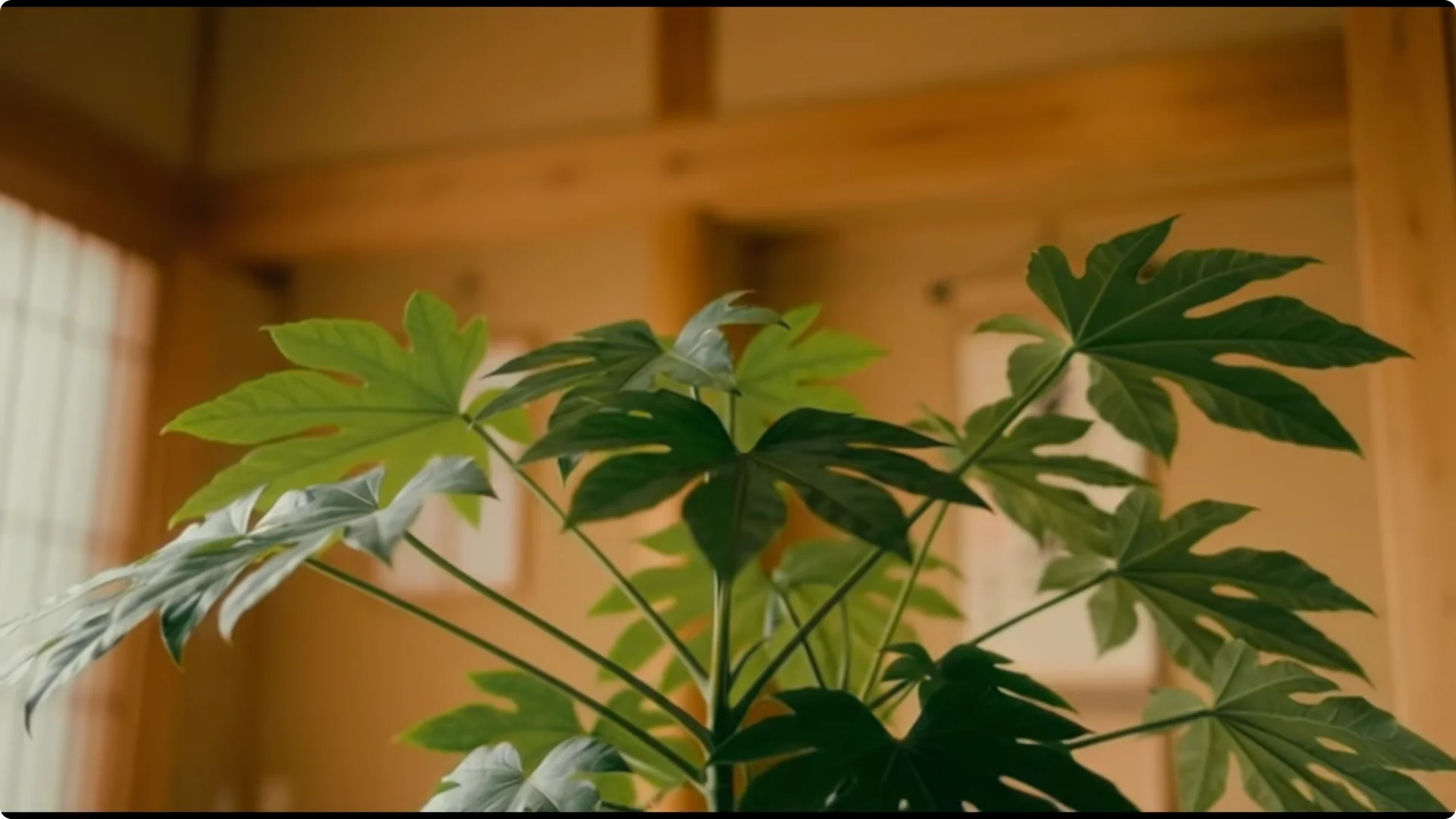
Fatsia japonica or yatsude literally rakes in luck with its green hands. The name translates as eight hands and within this lies deep numerical mysticism. In Japanese culture, the number eight is considered the luckiest.
It symbolizes infinity, constant expansion, and the multiplication of resources. Fatsia leaves are huge, deeply lobed, and glossy, resembling open human palms with fingers spread wide. Visually, it looks as though the plant is constantly catching invisible flows of opportunities passing through your home.
Fatsia is a true king of the shade. While most citrus trees wither without direct sunlight, yatsude thrives in northern rooms and dark corners, becoming a light catcher in the darkness. It transforms stagnant areas of the apartment into active growth points.
Beyond its symbolic role, this plant purifies the air and creates a healthy atmosphere of success where it is easier to breathe and work productively. When handling this majestic plant, caution should be exercised. Its sap can cause mild skin irritation in sensitive individuals.
Any pruning or repotting is best performed wearing gloves. This tree teaches mindfulness and respect for boundaries. It becomes a reliable ally for those who treat it with proper care and caution.
8. Japanese Indoor Prosperity Trees: Yuzu Citrus
The yuzu citrus is not just a tree, but a sacred symbol of rebirth and protection. Its bumpy fruits and powerful thorns emphasize a distinctive and recognizable character. The most famous tradition associated with it is the yuzu yu ritual baths on the day of the winter solstice.
The fruit’s aroma on the longest night of the year is believed to wash away the negativity of the past, protect against illness, and provide a powerful impulse for luck in the new cycle. Within the home, yuzu acts as a tool for resetting the space. If you feel that business has stagnated and the energy of money has ceased to circulate, the presence of this tree helps break through blockages and initiate movement.
Yuzu is also a marker of prestige and refinement. The juice and zest of this plant are highly valued in global haute cuisine. Owning your own fruiting tree is like possessing an exclusive wine cellar.
Behind the outward luxury hides a protective function. The formidable thorns on yuzu’s branches serve as a symbolic guardian of your personal space and family savings, preventing outside encroachments. This tree teaches vigilance and the ability to protect what has been built with effort.
It is for those who have reached a certain level and wish not only to multiply but also to securely preserve their status. It turns the home into an impregnable yet fragrant fortress of prosperity. Display it with intention and maintain it with care.
9. Living Practice With Japanese Indoor Prosperity Trees
The art of coexisting with Japanese lucky trees is not about blindly following superstitions. It is a subtle practice of self-discipline and spatial psychology. A tree serves as a living mirror of your attitude toward resources.
If you cannot demonstrate patience and consistency in caring for a plant, can you manage significant capital that requires even greater responsibility. The ritual of watering, wiping the leaves, and observing new shoots becomes a dynamic meditation. It teaches us to notice the slightest changes and react to them in time.
From a psychological perspective, connection with living nature lowers cortisol levels. In a state of calm and confidence, a person makes more balanced and strategically sound financial decisions without succumbing to panic or impulses. Care routines translate into clearer thinking and steadier choices.
Combinations that form an abundance code with Japanese Indoor Prosperity Trees
For a study or office, the ideal tandem is bamboo and fatsia. The former provides the energy for a breakthrough, while the latter helps capture every opening opportunity. For living rooms, combine kumquat and ardisia.
This duo works to attract new funds and ensure their secure retention within the family. For the entrance area, pittosporum and pine are the best fit. Together, they create a powerful filter to protect the home and ensure long-term stability.
Choosing your Japanese Indoor Prosperity Trees
Choosing your home tree should not be purely rational. Listen to your inner response and notice which plant brings an involuntary smile or a sense of peace. Luck is an energy that loves harmony, and it follows those who sense beauty and create a living, thriving world around them.
Final Thoughts on Japanese Indoor Prosperity Trees
Plants in this tradition are symbols and daily practices for prosperity. Kinkan attracts quick gains, ardisia retains them, bamboo fuels growth, fatsia catches opportunities, pittosporum protects thresholds, matsu builds legacies, and yuzu resets and guards. Care given to these trees becomes care given to your mindset, your space, and your future.