Most people do not realize the modern houseplant industry is built on sophisticated marketing. You bring home a lush plant a salesperson swore would thrive in a dark corner, and two weeks later you are left with a dry skeleton. It is not you.
It is often in the industry’s interest for your plants to die, so you come back sooner. You were sold a finicky tropical diva disguised as low maintenance decor. I studied expert advice and real office survival stories to build a list of 10 true terminators of the plant world and a set of universal rules that will save you money and stress.
These plants are incredibly resilient. They forgive beginner mistakes and do not demand constant attention. They still create the cozy atmosphere we actually buy them for.
1. Low-Maintenance Houseplants: Chinese money plant
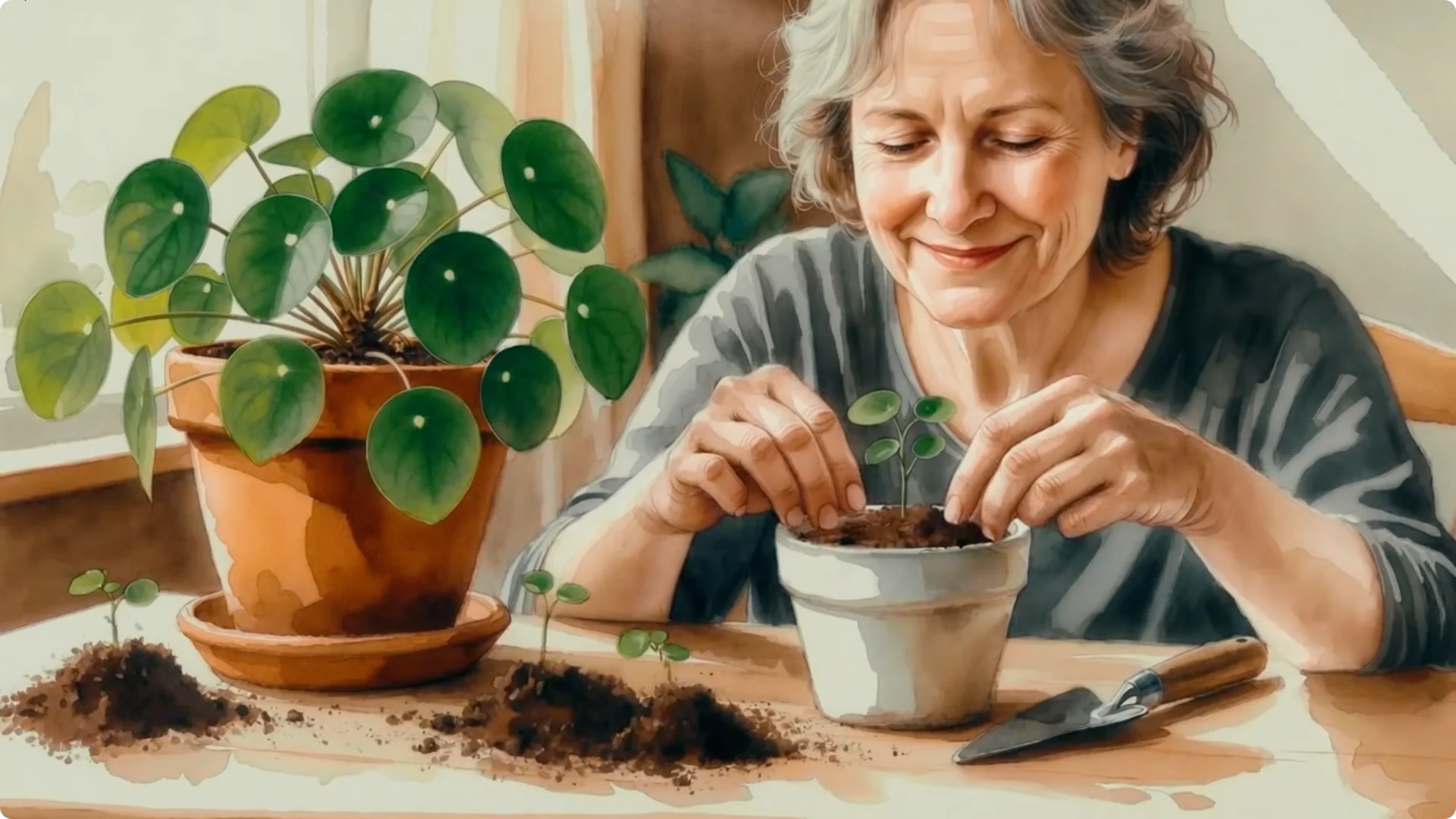
Pilea peperomioides is better known as the Chinese money plant or the coin plant. Its perfectly round, glossy leaves attach almost at the center of long petioles, creating green discs floating in midair. It is impossible to mistake it for anything else.
This plant is perfect for those who love to share. In the West it is often called the friendship plant, and that is not just a poetic phrase. It constantly produces little pups from the soil next to the mother plant, so repot them and you have instant gifts.
Its greatest value for a beginner lies in its honesty. It is a living indicator that tells you when to water. When the pilea gets thirsty, its sturdy leaves droop slightly, and after a drink it perks up before your eyes.
This practically eliminates the risk of overwatering, the number one plant killer. It is also officially recognized as pet safe for cats and dogs. It is compact, architectural, and quick to recover if you catch a problem in time.
2. Low-Maintenance Houseplants: ZZ plant raven
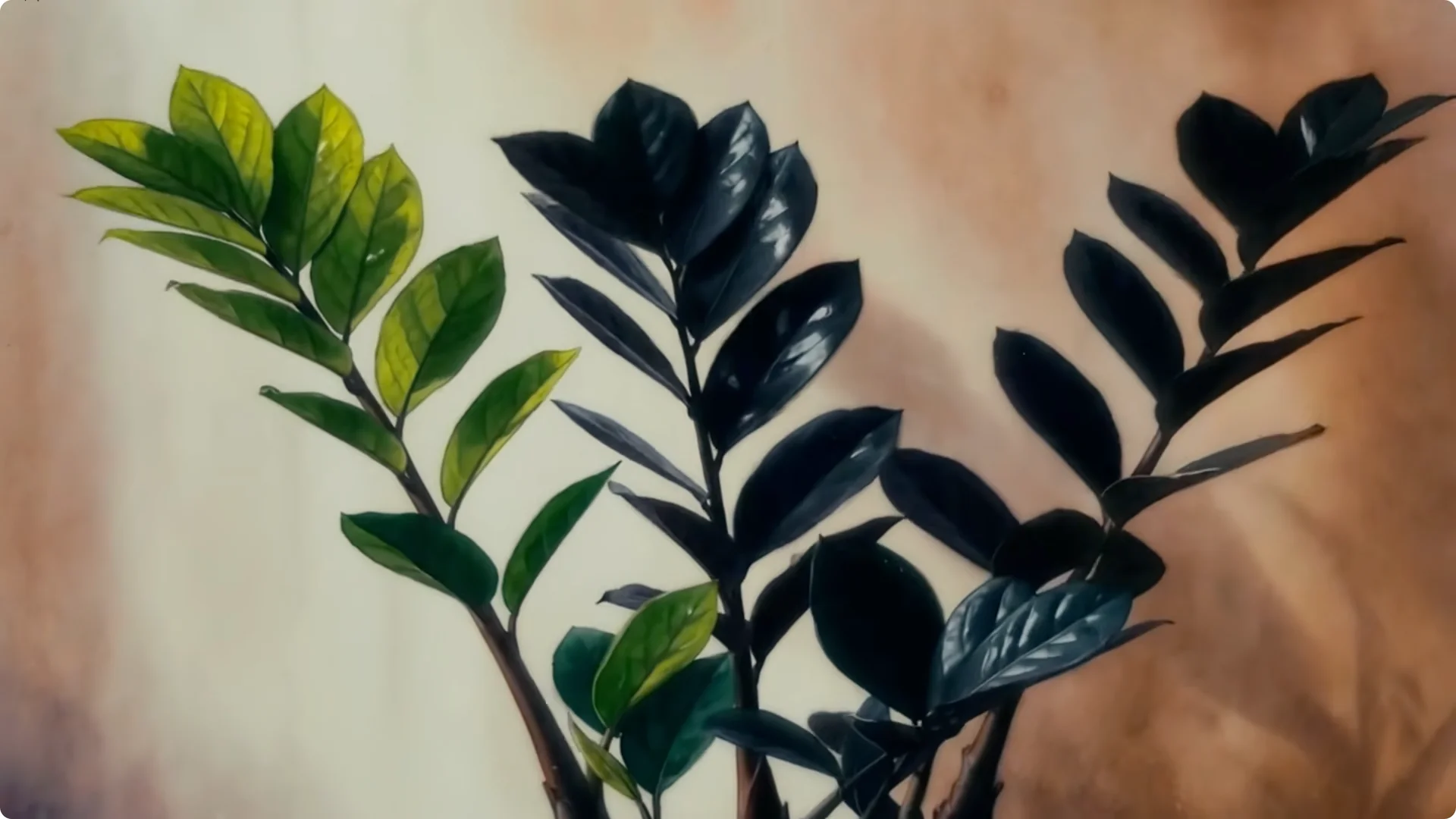
The standard ZZ plant is a reliable soldier, and the Raven variety is its striking version. New growth emerges bright lime, then matures to a deep, almost purple black with a waxy sheen. The secret to its toughness lies underground in powerful rhizomes that store moisture for extreme drought.
The ZZ plant is literally designed to be forgotten. The only way to truly kill a Raven is by showering it with too much care, specifically frequent watering. It does not die from lack of attention, but from an excess of it.
It is ideal for dark corners, bedrooms, or hallways where other plants fade. It can go for months without direct sunlight while keeping its sculptural form. It ignores low humidity and dry heat from radiators.
This is the plant for those who want a stylish, expensive looking accent and to spend no more than five minutes a month on care. Remember one rule. It is better to forget to water it for an extra week than to water when the soil is still damp.
3. Low-Maintenance Houseplants: Syngonium
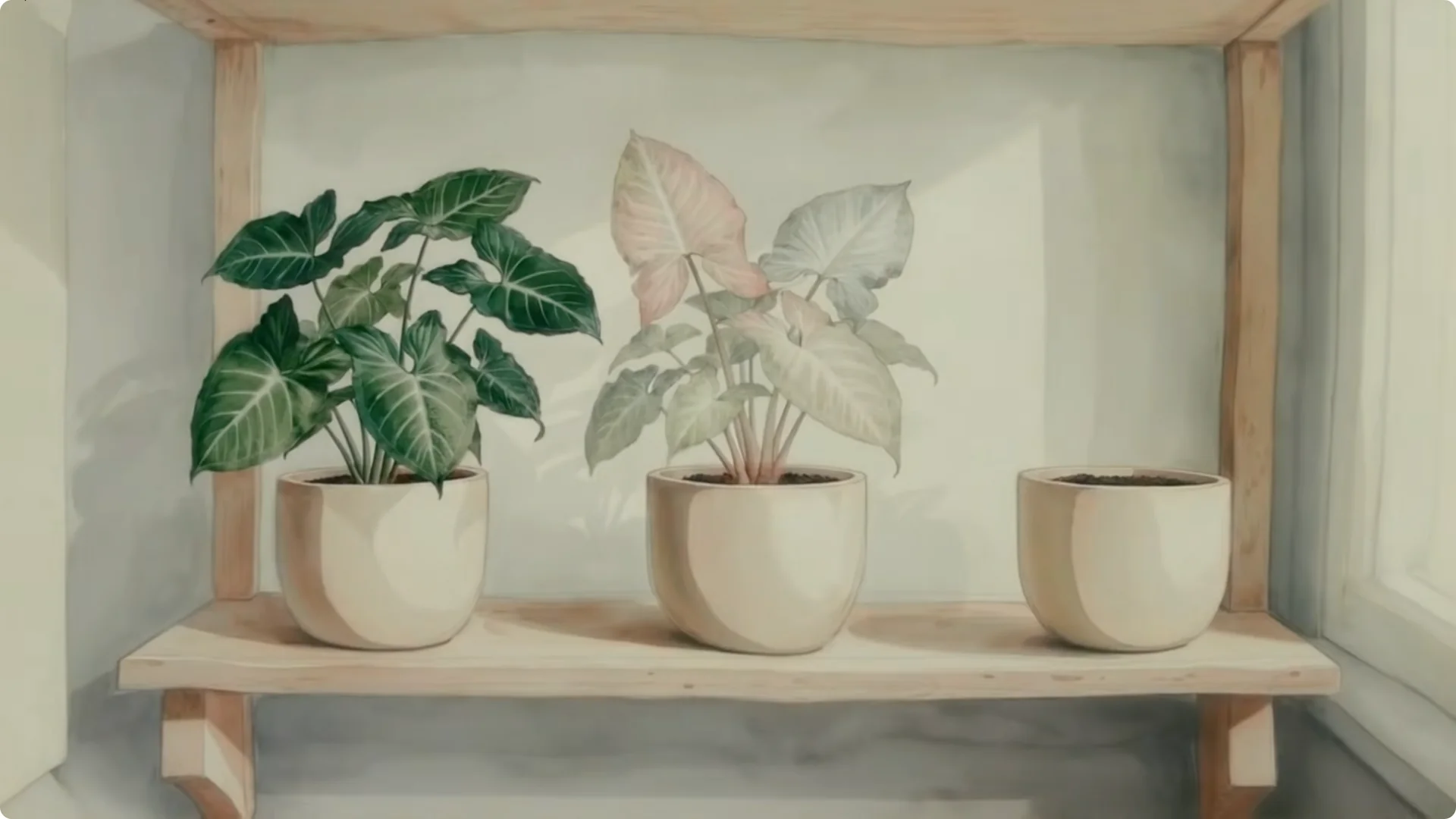
Syngonium is for anyone who wants constant change in a home garden. It lives two visually distinct lives. Young plants form a compact bush with arrow or heart shaped leaves, then mature into long, flexible vines.
The variety of cultivars is astounding, from classic greens to soft pinks and silvers. Style it as a neat desk cloud or let it climb a support to create a vertical jungle effect. The simple secret to managing this transformer is regular pruning.
Trim leggy shoots to keep a bushy shape and it will branch outward. It adapts to a wide range of lighting, with more vibrant colors in bright indirect light. One nuance to consider is that it can irritate mucous membranes, so place it high if curious pets are around.
It grows quickly, propagates easily from cuttings, and adapts to a standard apartment microclimate. You will not need greenhouse conditions. It is a forgiving, fast beautifier.
4. Low-Maintenance Houseplants: Snake plant
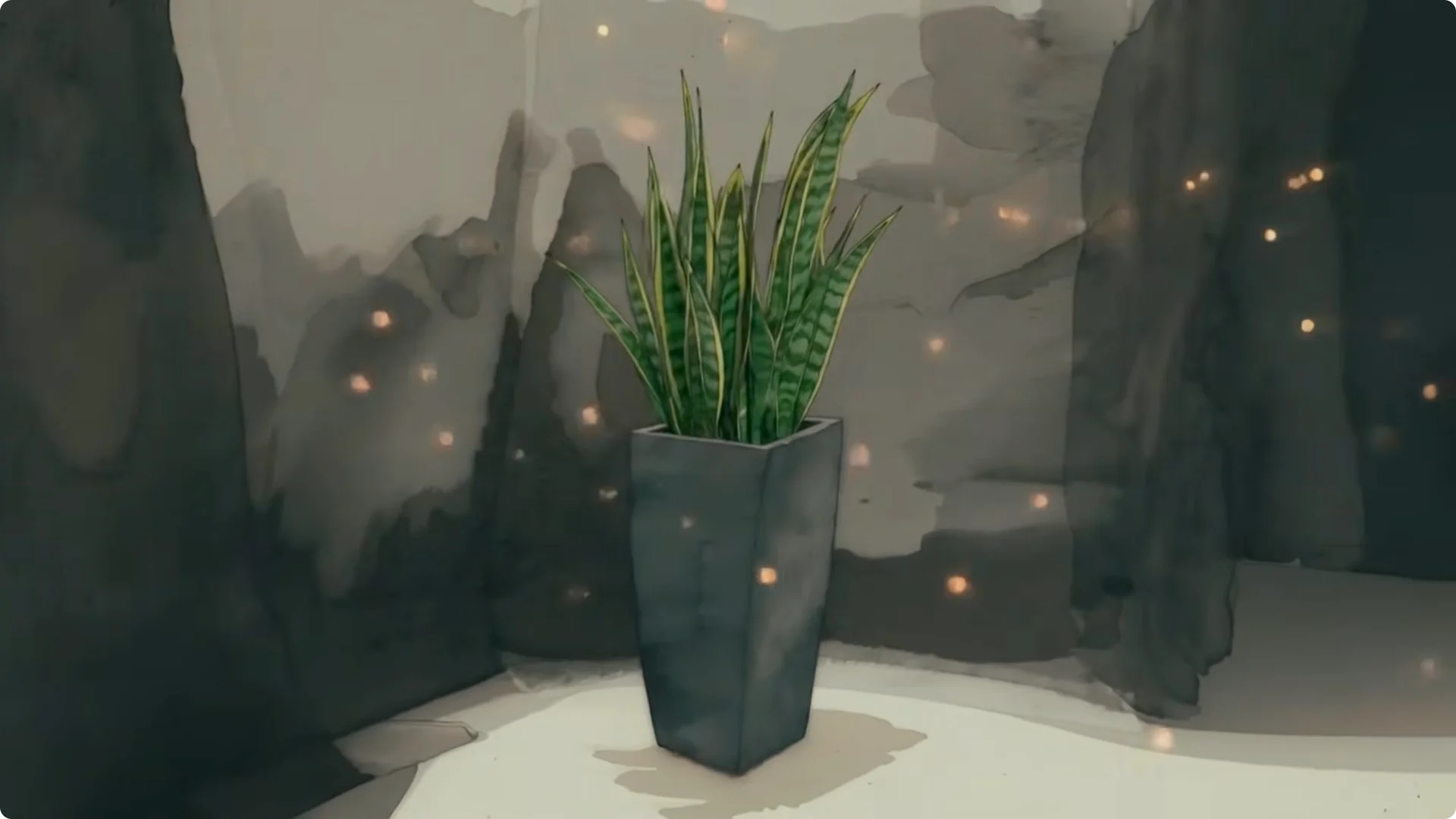
Sansevieria, long called mother in law’s tongue or the snake plant, is now officially classified as a Dracaena. Its character remains unchanged. It is among the most durable houseplants in the world.
If you need something that tolerates neglect, darkness, and rare watering, this is the choice. Even if you remember it only a couple of times a season, it will maintain its look. Dense, vertical sword leaves give spaces a strict sculptural form designers love.
Its survival story starts in nature where water is scarce. That is why its main Achilles heel is your watering can. In winter, watering once a month is enough, and weekly schedules lead straight to root rot.
It does not require misting and is not afraid of drafts or dry air. It is one of the best plants for the bedroom and remains effective for many years. If you doubt your skills, start here as it is practically impossible to lose.
Read More: Hard To Kill Houseplants Easy Care
5. Low-Maintenance Houseplants: Scindapsus pictus
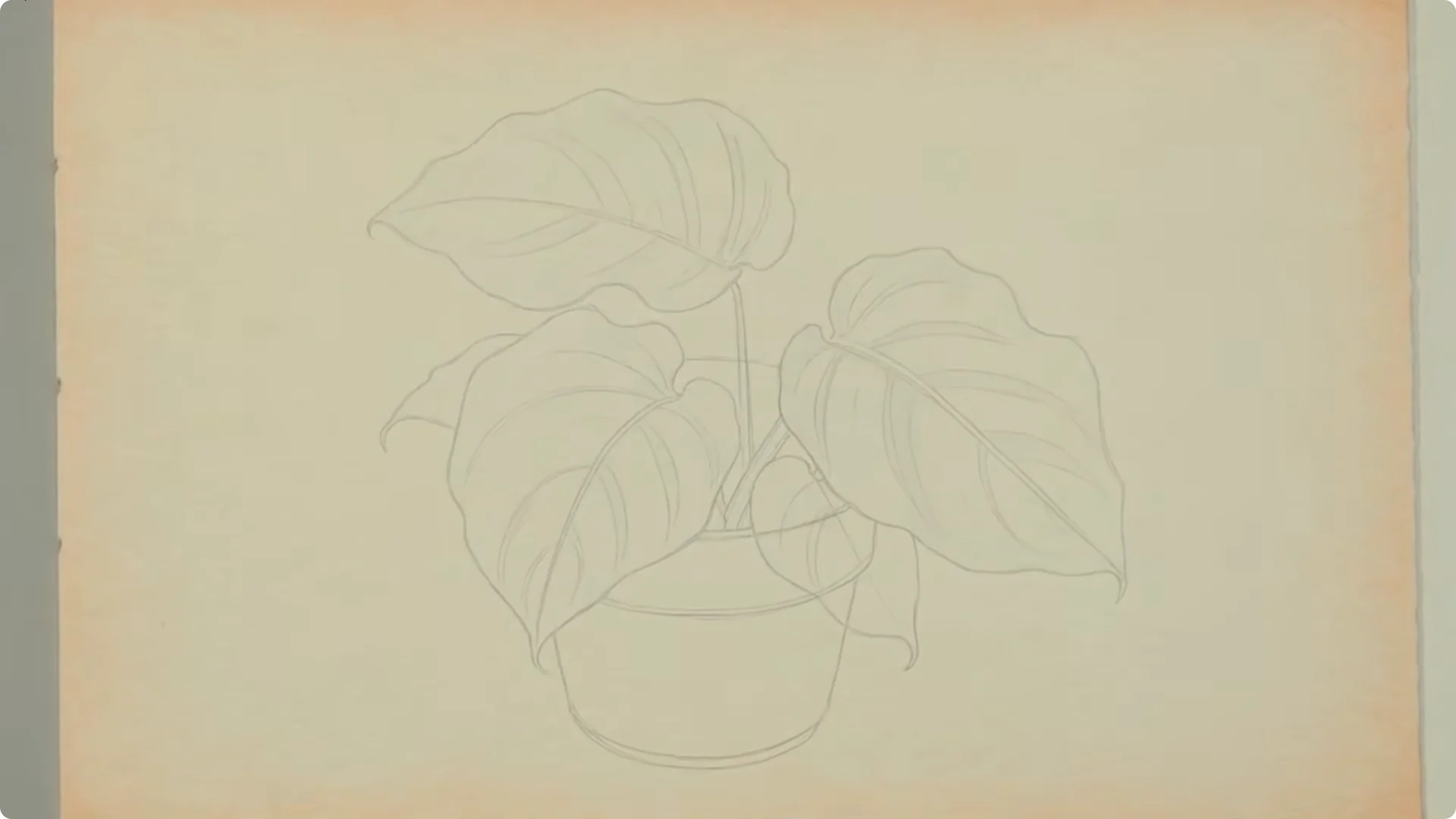
Scindapsus pictus is often mistaken for golden pothos, but a close look shows another level. Its velvety leaves carry random silver splashes that seem to glow from within, reflecting even dim light. It looks like a collector’s piece yet behaves like a friendly guest.
Care is simple thanks to its unique signaling system. When thirsty, the leaf edges gently curl inward. After watering, they unfurl and firm up again.
It is perfect for high shelves or hanging planters, trailing in a shimmering silver cascade. Thanks to those light reflecting patches, it handles deeper room corners better than many vines. It forgives missed waterings, needs little feeding, and is rarely bothered by pests.
6. Low-Maintenance Houseplants: Dracaena marginata
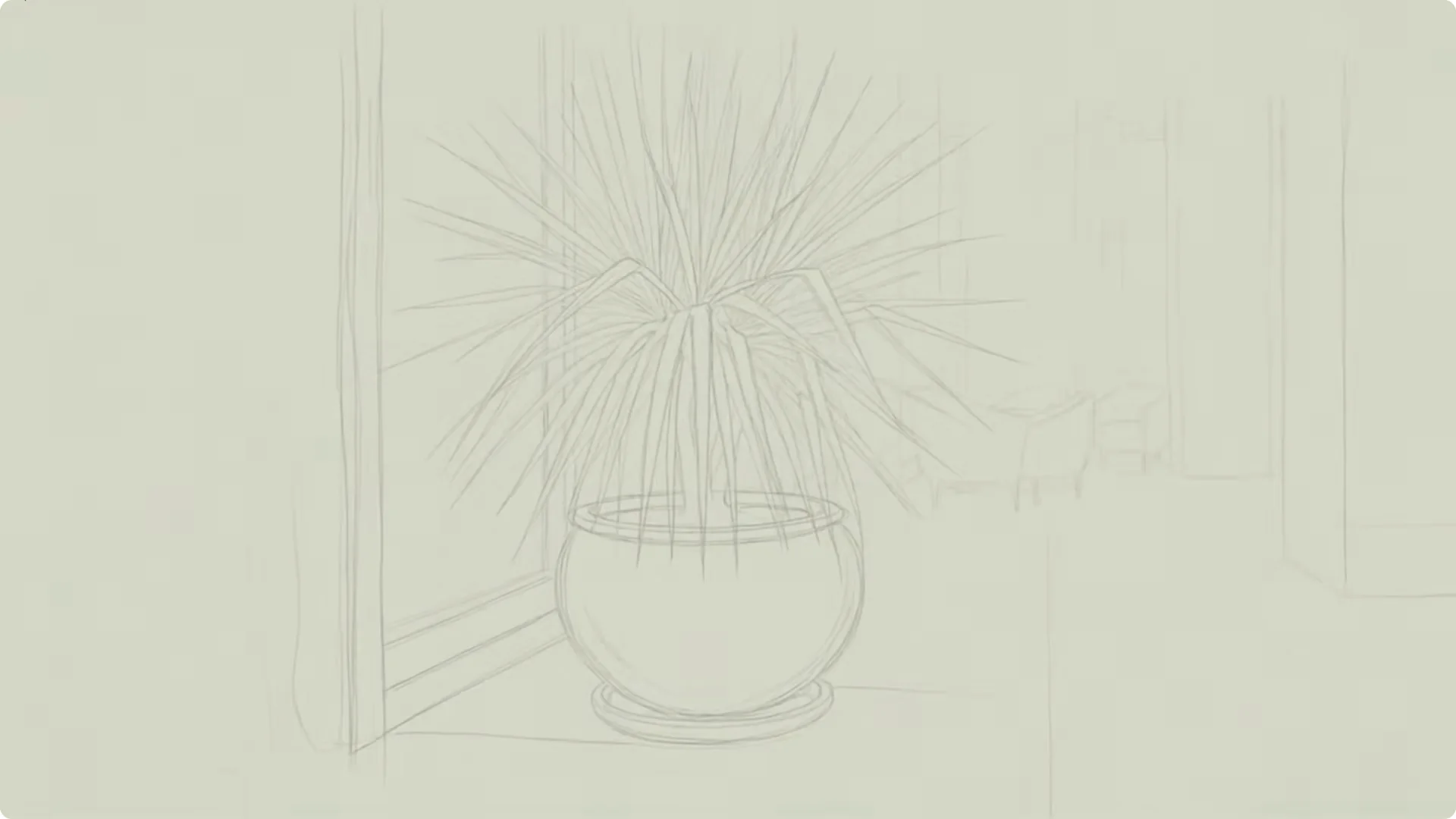
Dracaena marginata, often called the dragon tree, brings height and tropical elegance. A slender trunk topped with a fountain of narrow leaves creates clean vertical lines. It looks stately and stays resilient to drafts and temperature swings.
There is a detective secret shops rarely mention. Those black and dry leaf tips many blame on dry air are often due to fluoride in tap water. Let your water sit 24 hours or use filtered water and you sidestep the issue.
If you are already seeing crispy edges, use this guide to fix brown leaf tips while you correct water quality. Beyond that, care is minimal. It is a slow grower that tolerates mild drought, prefers bright spots away from direct sun, and wants watering only when the soil is dry halfway down.
7. Low-Maintenance Houseplants: Lucky bamboo
Lucky bamboo is not bamboo at all. It is Dracaena sanderiana from tropical Africa that happens to masquerade as Asian cane. Its unique trick is thriving for years in a vase of water or decorative stones.
That makes it a stress free choice for anyone intimidated by potting soil. Grow it in water or in soil. The water method is popular because you place the stalks in a vessel, keep an eye on the level, and change the water weekly using clean, filtered, room temperature water.
If you want a full, lush bush, transplant it into a light potting mix. It grows more vigorously and lives longer in soil. It prefers soft, partial shade and is rarely troubled by pests, staying a cheerful green accent that forgives forgetfulness.
8. Low-Maintenance Houseplants: Aglaonema
Many assume pink or red patterned plants are fussy. Aglaonema breaks that idea in style. It is a true survival expert in low light, keeping a dense, bushy shape with rich patterns.
There are dozens of varieties from classic silver greens to futuristic pinks. It gives you that lush bush look right after purchase. Large leaves also do a fine job cleaning the air.
Care is minimal. Water only after the top layer of soil dries and keep temperatures moderate. It does not need high humidity and tolerates dry apartment air with ease.
This plant is often called the office king because it thrives for years under standard fluorescent lights. If you have north facing windows or dim rooms, it will be your best green ally. You get tropical abundance with near zero extra effort.
9. Low-Maintenance Houseplants: Emerald ripple peperomia
If your space is limited to a small desk or narrow shelf, the Emerald Ripple peperomia was made for you. It proves size does not matter for style. Its heart shaped leaves are deeply ridged, creating dramatic light and shadow that looks almost like jewelry.
The thick, leathery leaves hint at built in moisture storage. It feels right at home next to a computer under artificial light and does not hog space. It is a slow grower, so you will not be repotting every few months.
Safety is another big win. Peperomia is completely non toxic, so a curious cat will not be in danger. Prefer a hands off approach with moderate light, water only when the soil is almost dry, and always provide good drainage.
10. Low-Maintenance Houseplants: Monstera deliciosa
Monstera deliciosa surprises people by landing on a simple plants list. Behind the green monster persona is a very easygoing nature and a fantastic will to live. It became an interior icon for more than its holes.
The famous splits and holes are a lighting story. In spots that are too dark, it produces solid leaves, but in bright indirect light it crafts masterpieces of natural perforation. It forgives a missed watering and quickly signals its needs.
If the leaves go limp, it is thirsty. If brown spots appear, you are probably overdoing the water. Plan for growth, because it is a vigorous climber that needs a sturdy support and a dedicated corner.
With minimal attention, like dusting leaves and regular watering, it will reward you with explosive growth. It can reach the ceiling and turn a room into an indoor jungle. It is a statement piece with an unmistakable wild vibe.
11. Low-Maintenance Houseplants: five rules that change everything
1. Light inventory first
Before shopping, decide exactly where the pot will sit. At noon, place your hand between the window and that spot. A crisp shadow means direct light, a soft blur means bright indirect light, and barely any shadow means deep shade that suits Aglaonema or Sansevieria.
2. Know your home ecology
The most dangerous winter enemy is not darkness but hot radiators. Dry heat pulls moisture from leaves fast. Group plants together to create a higher humidity microclimate.
3. The dry finger principle
Forget watering on a schedule. Stick your finger into the soil up to the second knuckle, and if you feel moisture, put the watering can down. It is always safer to wait a couple of days than to water early, because nine out of ten houseplants die from overwatering, not underwatering.
4. Drainage discipline
Any pot without a drainage hole is a fancy coffin for your plant. Water needs an escape route or roots suffocate and rot. If you love a pot with no hole, use it as a decorative cachepot with a standard nursery pot inside.
5. Surviving vs thriving
Sansevieria can survive for years in a dark corner, but it will only push new leaves where there is enough light. Plants are living batteries that charge from light, and dust blocks that charge. Wipe leaves with a damp cloth so they can breathe and feed.
If you want to apply these basics to a flowering showpiece, see practical tips to grow and care for anthurium. For broader inspiration on easy keepers, here is a concise list of hard to kill houseplants you can reference anytime. Keep these links handy as you plan your next green additions.
Final thoughts on Low-Maintenance Houseplants
Choose resilient species that forgive mistakes and shape your care around light, water, and drainage. Err on the dry side, give as much indirect light as you can, and keep leaves clean. Follow these simple rules and plant care becomes a source of peace and joy, not stress.