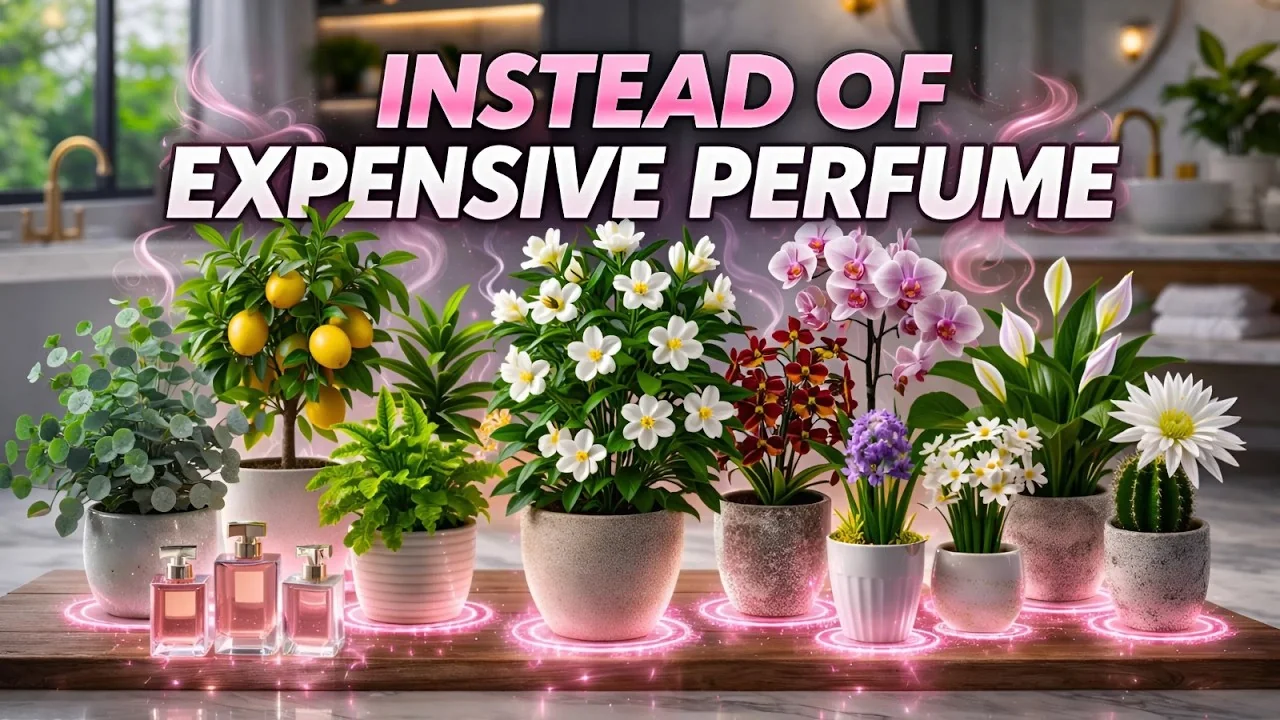
Few people know that up to 50% of any space’s atmosphere is shaped by an entirely invisible element. This hidden layer interacts directly with your limbic system, one of the most ancient parts of the brain responsible for emotions and memory. Marketers know this, which is why high end boutiques and five star hotel lobbies greet you with exquisite fragrances.
At home, the picture is often different. We have grown accustomed to harsh chemical sprays and synthetic scented candles. The problem is that these often contain phthalates and petroleum byproducts that feel flat and intrusive and are directly harmful to the body.
There is a natural alternative that is far more sophisticated. House plants act as living perfume. They fill your home with luxurious scent and become a personal tool for managing stress, infusing your space with tranquility and natural freshness.
I have curated 15 incredibly fragrant and stunning house plants that are remarkably low maintenance. I will start with the slightly more demanding ones and finish with the easiest to care for. If you are just beginning and want simple wins, see easy care houseplants that are hard to kill.
Low Maintenance Scented Houseplants
1. Phalaenopsis Leodoro Sweet Memory
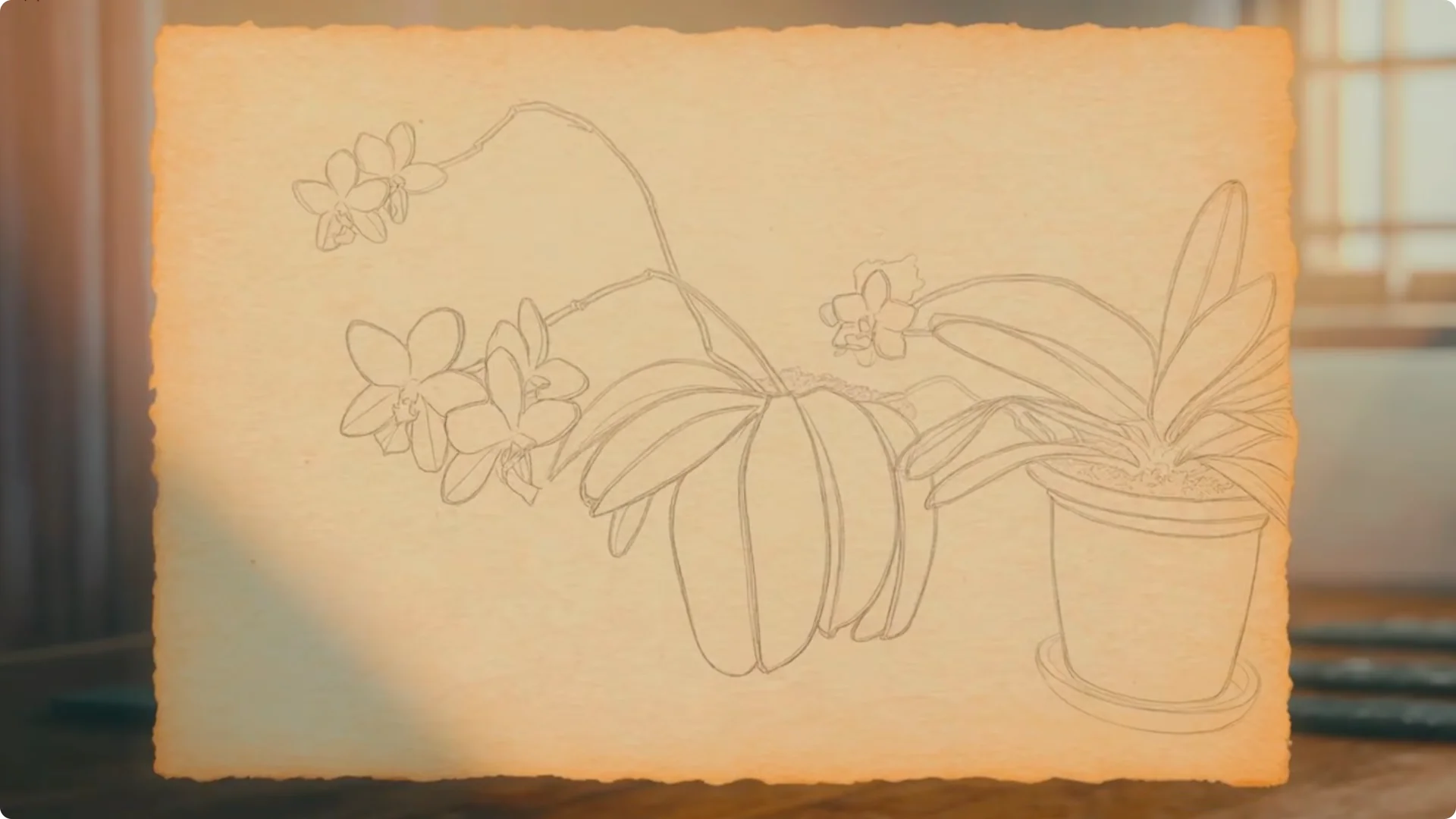
This is not the run of the mill orchid you see at supermarket checkouts. Among collectors, it carries the romantic name Sweet Memory and it is well deserved. Broad, glossy, pale lime leaves look buffed with wax, while wide open flowers shimmer in a gradient from lemon to rich pink.
The fragrance is a sophisticated perfume composition reminiscent of fine niche houses. You can detect lily of the valley, green tea, and bright citrus softened by a subtle sweetness of spices. The scent peaks in the morning sun, filling a small room with freshness and quiet luxury.
Difficulty 5 out of 10 simply because Leodoro requires a steady rhythm. Balance air and moisture, and remember it is an epiphyte that lives in bark, not soil. Water by immersion only when roots turn silvery and never let water sit in the crown.
Do not rush to prune old spikes as this orchid can extend them for months. In the US it usually costs $30 to $50, in Europe €25 to €40. Inspect for thick, firm, green roots and skip plants with brown threadlike or spongy roots.
2. Kumquat
If you want the vibe of an Italian villa on the Amalfi coast, choose kumquat. This compact tree with a dense dark green canopy fits modern apartments and stays restrained in growth yet very generous with flowering and fruiting. Small bright orange fruits, eaten peel and all, look like living ornaments against glossy foliage.

The scent of kumquat bloom is pure neroli and orange blossom. It is dense and honey sweet with a citrus bitterness that keeps it from becoming cloying. Brush a branch and the room fills with an invigorating essential oil cloud.
Kumquat loves stability and light is the currency you pay for flowers and fruit. Give it the brightest window, and protect it from winter heater air by placing the pot on a tray with wet pebbles. Use specialized citrus fertilizers because standard formulas often lack micronutrients for fruit formation.
In the US a grafted tree is $40 to $70 and in Europe $30 to $55. Inspect leaves carefully and avoid any sticky residue, a sign of scale insects. Look for clean, glossy foliage and a sturdy trunk.
3. Pink Jasmine
Pink jasmine is grace and strength in a single pot. This evergreen vine turns a window into a blooming trellis with porcelain pink buds that unfurl into snow white stars. It is ideal for vertical gardening, creating a living wall or fragrant arch.
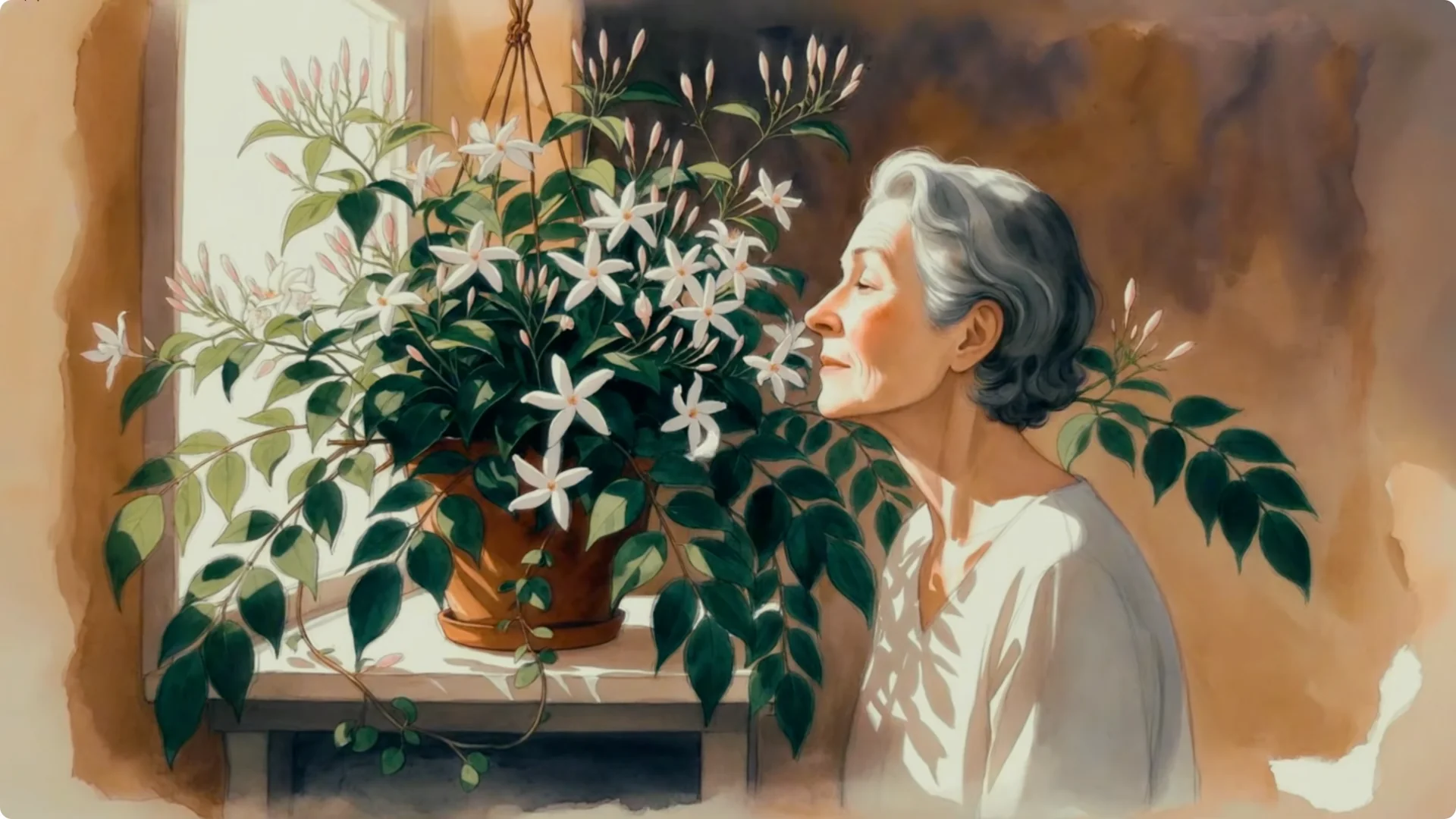
Fragrance intensity is a solid 10 out of 10. It is a classic, deep, evening scent with a magnetic trail that strengthens at dusk. One plant can scent an entire apartment with the atmosphere of a mysterious southern garden.
The secret to reliable blooming is a cool wintering period. To set buds, give it dormancy at about 13 to 18 C or 55 to 64 F, plus bright light and regular watering. Prune after flowering or it will turn your room into a jungle.
In the US it averages $20 to $35 and in Europe $15 to $25. Choose a specimen densely covered in closed pink buds. If you buy one already in bloom, you miss the transformation and the fragrance will be short lived.
4. Persian Cyclamen
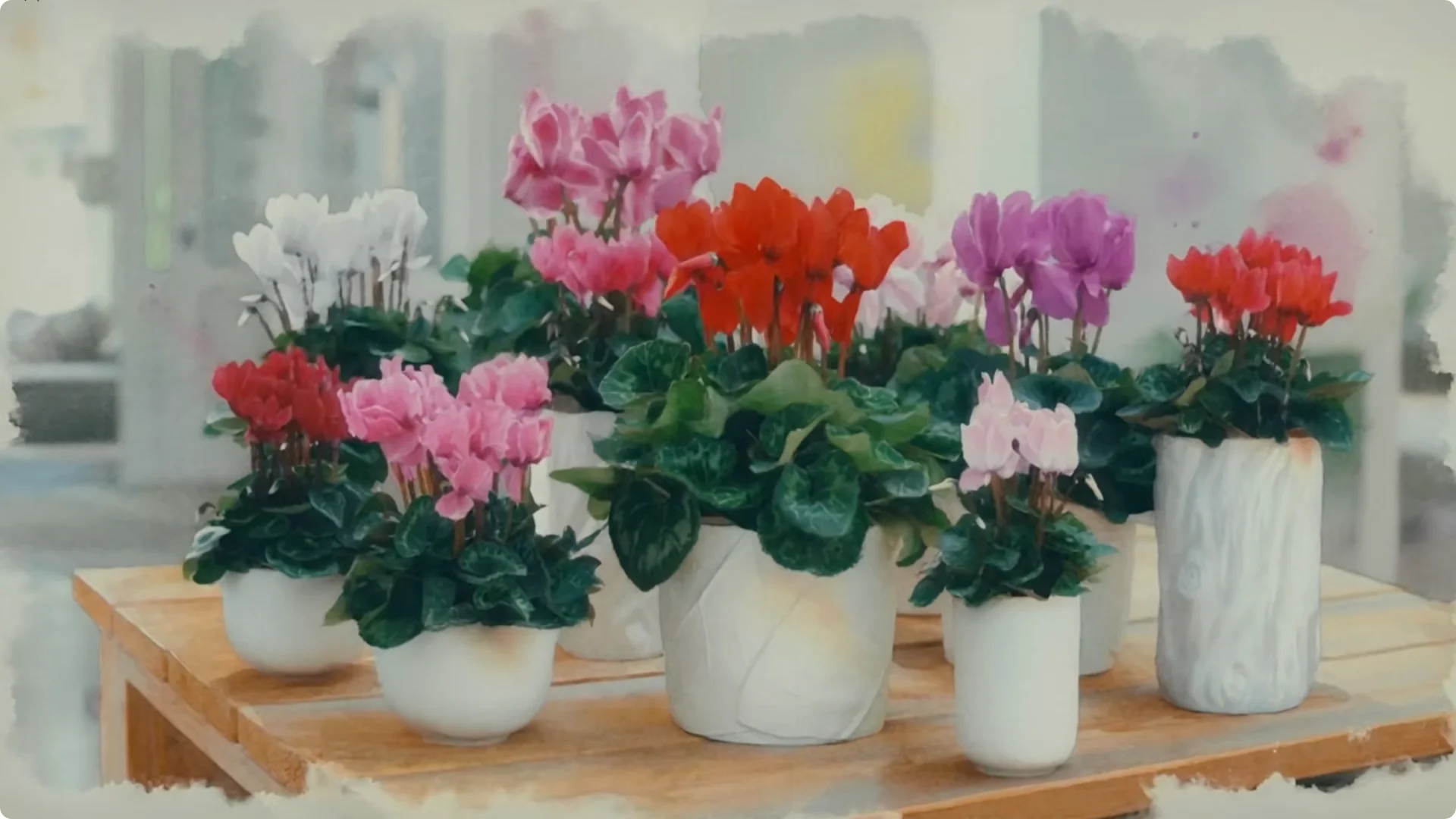
The Persian cyclamen is a true antidepressant for the cold season. Called the winter butterfly, its flowers hover above the foliage on slender stalks. Heart shaped leaves with silver marbling are a work of art on their own.
The fragrance is refined and subtle. It opens with powdery notes of crisp morning, freshly laundered cotton, and first spring flowers under dew. Choose this plant for a bedroom if you want unobtrusive cleanliness and freshness.
The biggest mistake is keeping it warm. Cyclamen hates heat and dry radiator air, prefers a cool bright sill, and must be watered from the bottom to avoid rotting the tuber. After flowering it may drop leaves for a well deserved summer dormancy.
In the US it costs $10 to $20 and in Europe from 5 in season. Look beneath the foliage and choose a plant packed with tiny unopened buds. That choice doubles the length of its fragrant display.
5. Eucalyptus cinerea
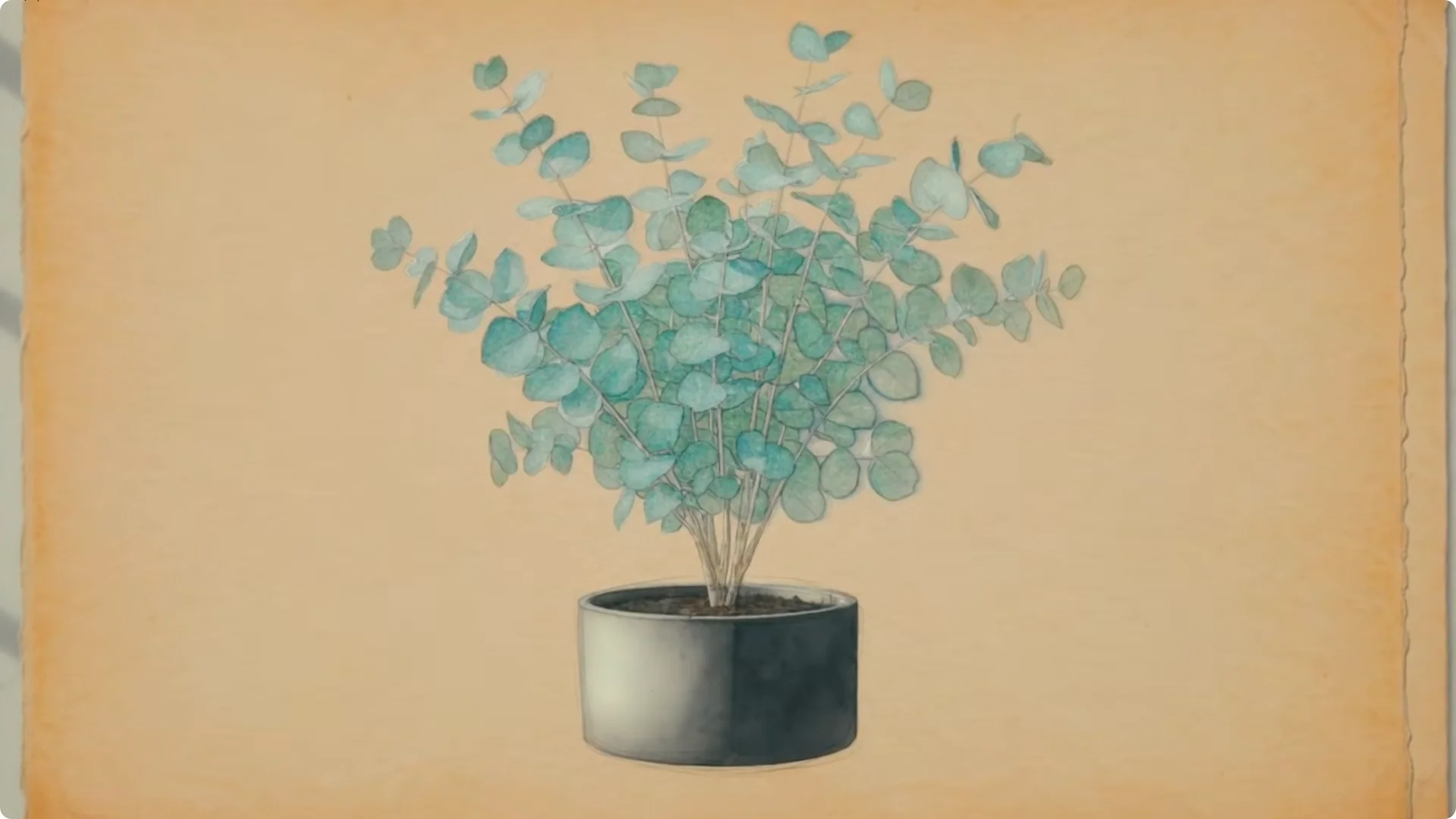
Eucalyptus cinerea is an icon of contemporary interiors. Its rounded silvery blue leaves are so stylish it is often mistaken for artificial. Unlike flowering plants, it works for you year round and remains consistently decorative.
This is the aroma of wellness and spa calm. Leaves release natural antimicrobial compounds that make the air feel fresher and more transparent, and you can intensify the scent by misting with warm water or gently rubbing the leaves. It is perfect for those who suffer from stuffy air and want easy breathing at home.
Light is non negotiable or it will lose the blue tint and grow leggy. Follow the finger rule and avoid letting the soil go bone dry, because young plants resent severe drought. It handles pruning beautifully and can be shaped into a tidy bush.
US prices range from $25 to $45 and in Europe €20 to $35. Check branch flexibility before buying. If shoot tips snap and leaves drop at a touch, the plant is already too dry, while a healthy plant is supple and springy.
6. Saintpaulia Fragrant Cultivars
Most store violets have no scent, but groups like Scented Whisper or Blue Scents offer exquisite fragrance. Outwardly they are the same cozy African violet with velvety leaves and delicate blooms. Their compact size is perfect for bedside tables or workspaces.
The aroma is intimate and subtle. You will not catch it from the doorway, only when you lean close to the plant. Expect a gentle musky powder with a light peppery hint, a quiet perfume for personal space.
Never wet the fuzzy leaves, as droplets cause spotting. Wick watering is a lifesaver, paired with soft diffused light away from drafts. Avoid moving it often, because it prefers stability and tranquility.
Fragrant cultivars are best sourced from collectors on reputable platforms. In the US they run $12 to $25 and in Europe €10 to €20. Buying from professionals guarantees the specific variety and its unique fragrance.
7. Exacum Persian Violet
Exacum looks like the perfect gift bouquet in a pot. It forms a dense, almost spherical bush covered with hundreds of tiny lilac flowers with bright yellow eyes. Small, glossy foliage adds a high end, well kept look.
Its scent is like primroses or fresh wildflower honey. Joyful and bright, it is expressive enough to fill a small room with a sense of celebration. A small plant delivers a surprisingly powerful presence without becoming overbearing.
Keep it long term by being consistent in care. Soil should remain slightly damp as it is a moisture lover, and drying out can trigger flower drop. Regularly remove spent blooms to stimulate new buds and extend the show.
In the US exacum is about $10 to $18 and in Europe 7 to 12. Choose the densest, most full bush with many unopened buds. That way the fragrance lasts much longer.
8. Noble Laurel
The noble laurel is a living connection to ancient history. Stately and prestigious, its dense leathery leaves create an evergreen architectural vertical, often shaped as spheres or cones. It gives you a natural air freshener and the freshest spice for cooking.
The aroma is dry and noble. Expect spicy, woody, slightly resinous notes with a hint of nutmeg, and a gentle air purifying effect that is strongest if you rub a leaf or keep it warm and sunny. It is the scent of confidence, tranquility, and hearth.
Laurel is remarkably resilient and tolerates dry air better than most. Prune it to any shape, provide good drainage, and avoid standing water at the roots, especially in winter near radiators. If you forget a watering, it usually forgives.
In the US, shrubs start at $25 while shaped topiaries can hit $55, and in Europe prices range from 15 to 40. Inspect leaf axils for white cottony masses or brown scales. Mealybugs and scale insects love the dense foliage, so buy only clean plants.
9. Spathiphyllum Peace Lily
The peace lily is instantly recognizable, yet few realize it can be a subtle perfumer. To get real fragrance, look for cultivars like Sensation or Mauna Loa with massive ribbed leaves and showy white sails. These are living architectural objects that elevate empty corners.
The scent in select varieties is airy and tender. A delicate, barely perceptible vanilla floral undertone appears with the first rays of sun and fades by noon. That makes it ideal for a dining room or kitchen where mornings begin in a cloud of light floral sweetness.
Difficulty is a 3, and its drama is mostly theater. Forget to water and it will drop all leaves, then perk up within hours after a drink, while its real superpower is shade tolerance. It blooms even in spots where others on this list would refuse.
In the US, large specimens run $20 to $45 and in Europe $15 to €30. Choose the largest plants because scent intensity tracks flower size and plant age. If you love bold, sculptural blooms, see Anthurium care tips for a glossy, architectural companion.
10. Pelargonium graveolens Scented Geranium
Forget grandma’s geranium stereotype. Pelargonium graveolens is a botanical laboratory grown for its lacy, fragrant foliage, not its modest flowers. Varieties can mimic cola, dark chocolate, nutmeg, pine needles, and the precious Damascus rose.
Essential oils are stored in microscopic hairs on the leaves. Brush the plant or rub a leaf and the room fills with a powerful natural aroma that gently calms the nervous system and harmonizes the space. Perfumers use graveolens oil to add green freshness to rose compositions.
Care is simple and forgiving. It loves sun, tolerates drought, and only resents overwatering that can rot roots. If it gets leggy, prune boldly and it grows denser and more fragrant.
In the US and Europe it is very affordable at $8 to $20. Test different varieties in person by rubbing leaves until you find the scent that resonates. It may be the zest of lemon or the deep sweetness of a rose, and that choice is highly personal.
11. Easter Lily Lilium longiflorum
The Easter lily is a symbol of serenity and purity. Tall stems crowned with massive white trumpets demand attention and become a central decor element when in bloom. It brings the aura of a high end floral boutique into the home.
The fragrance is a statement. Heady, dense, and sweet, a single bloom can scent an entire apartment and even seep through closed doors, perfect for evening grandeur. If you are sensitive to strong scents, do not place it in the bedroom.
A critical safety warning for cat owners. Lily pollen and leaves are extremely toxic to felines and can cause kidney failure, so skip this plant in a home with pets. Remove yellow pollen covered stamens with tweezers to prevent stains, extend flower life, and slightly soften the scent.
In the US it costs $15 to $30 and in Europe 12 to 25. Choose a specimen where only the lowest flower is open and the rest are tightly closed. That timing gives you two to three weeks of continuous fragrance.
12. Hyacinth
The hyacinth is spring locked inside a bulb. In mid winter or early spring, a dense rosette sends up a flower spike blanketed with starry blooms in indigo, pink, or white. Compact and tidy, it is a vibrant pop for a coffee table or sill.
Its scent is one of the most powerful and recognizable among plants. Think concentrated honey, fresh cut grass, and spring rain, intense and sweet. Forced hyacinths cut through winter melancholy and remind you that warmth is near.
Care is elementary because the bulb holds all it needs. Give it a bright, preferably cool spot away from radiators, water moderately, and never pour water onto the neck to prevent rot. After blooming, let leaves yellow, then plant the bulb outdoors in fall for next year.
Prices range from $3 to $10 depending on packaging and country. Choose a heavy, firm bulb with a spike just peeking from the leaves. That choice ensures long bloom and maximum fragrance.
13. Paperwhite Narcissus
Paperwhites deliver instant results with almost no effort. Slender emerald stems hold clusters of dazzling white flowers that look refined and elegant. Unlike garden daffodils, these do not require a long chilling period, perfect for winter decor.
The fragrance sparks debate. Strong, musky, and distinct, it recalls vintage French perfumery that values depth and character over simple floral sweetness, a true connoisseur scent. For a softer take, choose the Grand Soleil d’Or variety with gentle fruity notes.
Paperwhites can grow without soil. Fill a glass vase with pebbles, set bulbs on top, and add water to just touch the bulb base, then refresh as needed for clean water and steady growth. Add a splash of gin or vodka at a 1 to 10 or 1 to 15 ratio to keep stems shorter and sturdier.
US kits cost $10 to $20 and European kits run 8 to 15. Buy the largest bulbs you can because size means more flower stalks. In three to four weeks, an empty vase becomes a fragrant art object.
14. Hippeastrum
Hippeastrum, often mislabeled as amaryllis, is a king of dramatic effects. From a massive bulb, a thick stem shoots up and opens into huge velvety flowers up to 20 cm across. The Apple Blossom and white varieties offer both aesthetics and fragrance.
Choose carefully because most bright red types have no scent. Apple Blossom or whites deliver a delicate, noble aroma of fresh apple and light freesia. They create a gentle aura around the plant rather than flooding the space.
Start it in a pot just slightly larger than the bulb and water sparingly. Increase watering once the spike is growing, then honor a proper dormancy after flowers fade by resting the bulb in a dark, cool place for a couple of months. That rest fuels the next performance.
Bulbs in the US cost $20 to $40 and in Europe $15 to $30. Choose the largest bulb without red spots or scorch marks to ensure at least two flower stalks. A well kept bulb can bloom for decades and become a family heirloom.
15. Echinopsis oxygona
Echinopsis oxygona, the Easter lily cactus or poetic night hedgehog, looks modest most of the year. A small prickly sphere sits quietly, asking for almost nothing. Then one night, it sends out a long down covered tube topped by a giant water lily like bloom.
The fragrance is otherworldly. Heavy and exotic, with jasmine, magnolia, and spice, it is engineered by nature to attract night moths from afar and reaches maximum concentration at dusk. Beauty and richness hide beneath prickly armor.
Difficulty is 1 out of 10, perfect for busy or traveling people. In summer give it plenty of sun and water once a week, but in winter leave it cold and dry for about three months to encourage spring blooms. The only true mistake is a swampy pot.
Prices are very reasonable at $15 to $35 in the US and 10 to 25 in Europe. Look for firm plants with well defined ribs and no soft spots, and offsets make propagation easy. The morning after its one night bloom will be one of your most vivid botanical memories.
Low Maintenance Scented Houseplants Placement and Mood
The world of fragrant plants is more than a hobby. It is a way to reconnect with nature at home and to add meaning that artificial air fresheners cannot match. Scents influence emotions directly, and different plants set different tones for your day.
Jasmine can boost confidence before an important call. Eucalyptus can help you focus while working, and the light sweetness of a peace lily can add coziness to a rainy evening. Place stronger scents like jasmine or hyacinth in a living room or hallway so they disperse without overwhelming.
Keep delicate perfumes, like violet or exacum, near a desk or bedside table for quiet moments. Group plants for a custom accord, such as eucalyptus beside a small citrus for a cocktail of energy and freshness. If you like foliage first plants with a love for humidity, see how to grow lush Calathea indoors as a serene, patterned counterpoint.
When choosing for your lifestyle, be honest about the time you have. If you are a beginner or wary of responsibility, start with hyacinth or echinopsis for quick wins that build confidence. If you enjoy small daily rituals and want something exclusive, invest in a kumquat or a Leodoro orchid.
Final Thoughts
Home is a place of power, and these 15 low maintenance scented houseplants can turn it into an oasis of luxury and tranquility. Each one is more than decor, a living being with character that rewards care with unforgettable fragrance. Start where you are, grow your confidence, and for more simple, resilient picks explore beginner friendly tough houseplants.