
Few people know that your home is constantly breathing right along with you, but sometimes that breath becomes too heavy, weighed down by a hidden culprit, excess humidity. It silently ruins your furniture, leaves a heavy scent in the air, and creates a discomfort we often feel on our skin without even understanding why. But the solution does not always require buying noisy electrical appliances or replacing chemical filters.
There are natural technologies capable of balancing your indoor climate organically. Plants can function as silent biological sponges that help restore comfort. One of these heroes is so unusual that it does not need soil at all and can hang on your wall, absorbing dampness from the air.
1. Dehumidifying Houseplants: Heartleaf Philodendron
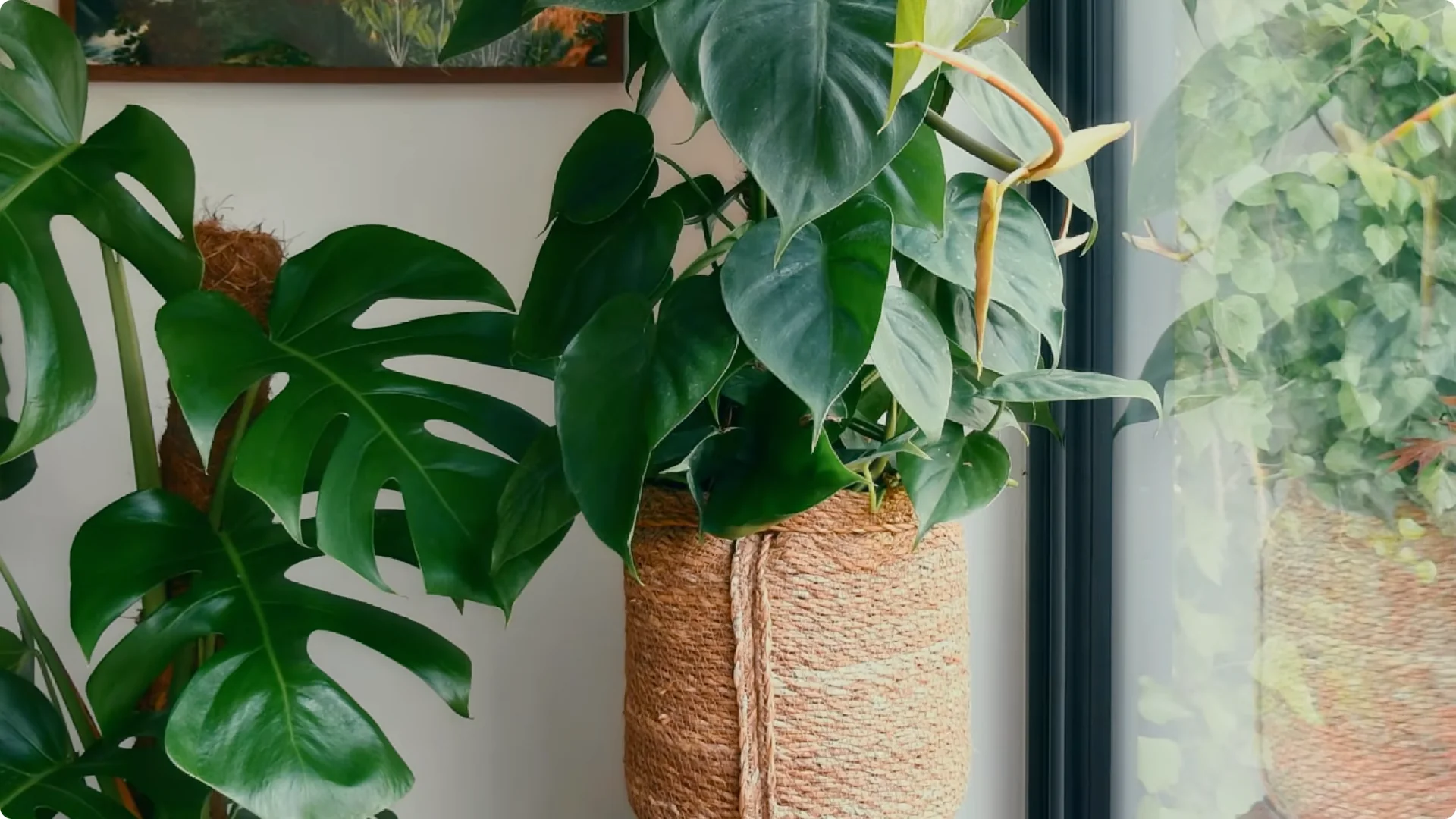
This magnificent heartleaf philodendron, often referred to as the emerald waterfall, is a true staple for any home. Its glossy heart shaped leaves are charming to look at. They are coated in a thin waxy layer that helps the plant interact effectively with its environment.
Hailing from the humid tropics of the Americas, this philodendron is used to quite literally drinking the air. In a home setting, it acts as a passive regulator, absorbing excess atmospheric moisture through its broad leaf blades. Young shoots often sport a bronze or copper hue, adding visual depth to your plant collection.
Its vines can reach lengths of 3 to 10 ft, making it ideal for hanging baskets or high shelves where it can trail dramatically. It prefers bright, indirect light, and is forgiving of mistakes. Let the soil dry out about an inch deep before watering again.
In high humidity conditions, it will grow faster and look healthier. Pet owners should be cautious. The leaves contain calcium oxalate crystals, which can be toxic if ingested.
2. Dehumidifying Houseplants: Syngonium
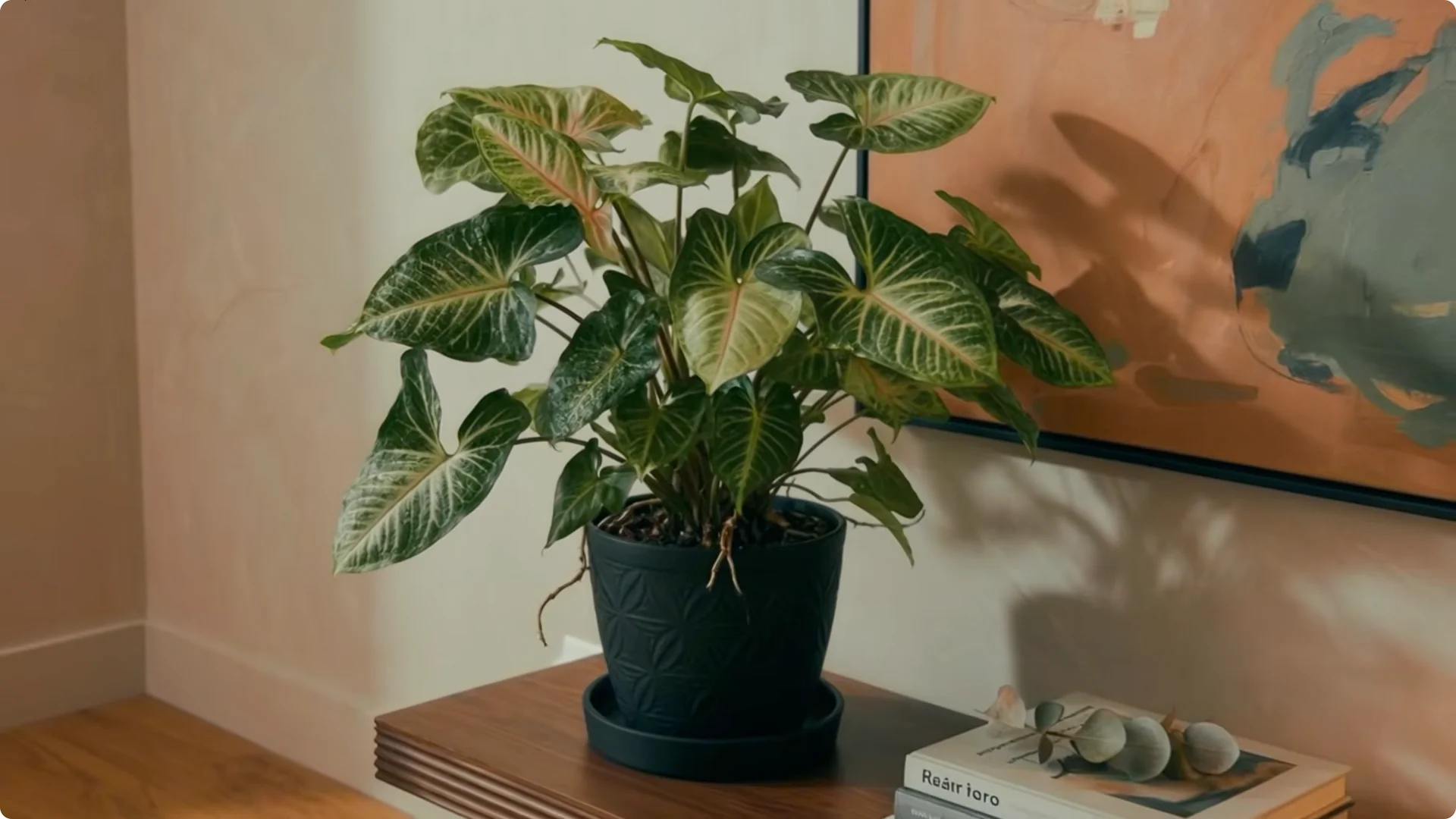
If you want a plant that grows and evolves with you, the syngonium, also known as the arrowhead vine, is a perfect choice. It is often called a shapeshifter because young leaves have a distinct arrowhead shape that later split into multiple segments. The look becomes more complex and exotic with age.
Thanks to its large leaf surface area, the syngonium works as a natural evaporator and absorber. It soaks up excess dampness and restores freshness to the room. This makes it a favorite for kitchens where steam levels from cooking fluctuate.
It can reach 3 to 5 ft in length or height. If you want it to grow vertically, use moss poles and its aerial roots will happily latch onto them. Variegated varieties need a bit more light to maintain their color.
Watering should be moderate. The plant will let you know if the air gets too dry, but in a humid room its leaf edges will stay perfectly crisp. Like many other aroids, it requires caution around cats or dogs, as its sap can cause irritation.
3. Dehumidifying Houseplants: Parlor Palm
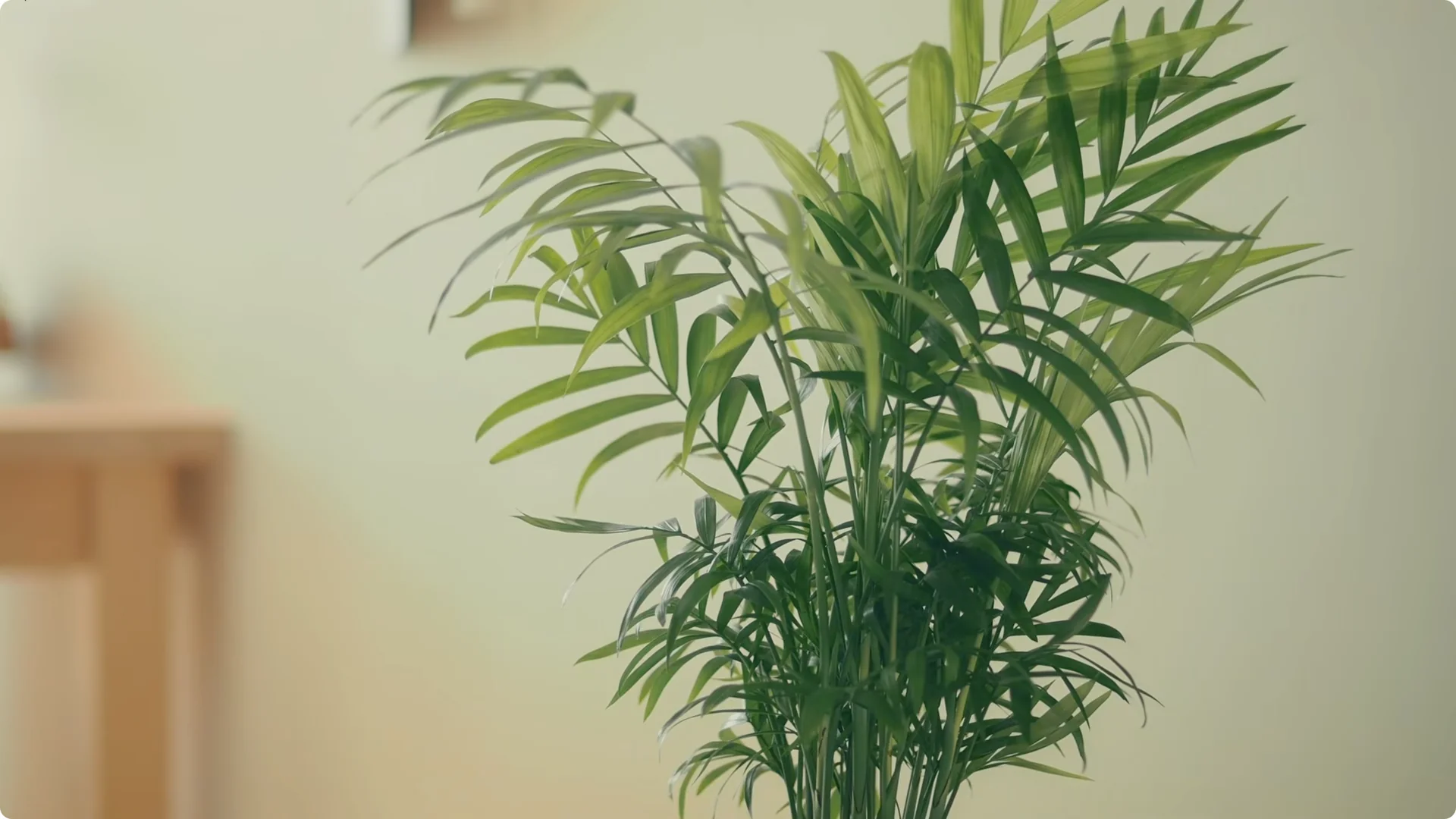
The parlor palm is a living piece of history. In Victorian era homes this plant became a staple of nearly every drawing room. It survived where others perished, in dark, cool, and damp interiors.
Its delicate feathery appearance hides a true fighter. Numerous slender leaves create a vast total surface area that interacts effectively with water molecules in the air. It essentially sifts through the home’s atmosphere, drawing out excess moisture and making the air feel less stagnant.
This plant is ideal for limited space, as it grows slowly and typically reaches only 3 to 4 ft in height. It thrives in the back of a room or near north facing windows where sunlight is sparse. The most critical aspect of caring for a parlor palm is avoiding what gardeners call wet feet.
Its root system is sensitive, so water only when the soil has dried halfway through. A major plus is that this palm is entirely pet safe. You can rest easy if your cat decides to play with its elegant fronds.
4. Dehumidifying Houseplants: Monstera Deliciosa
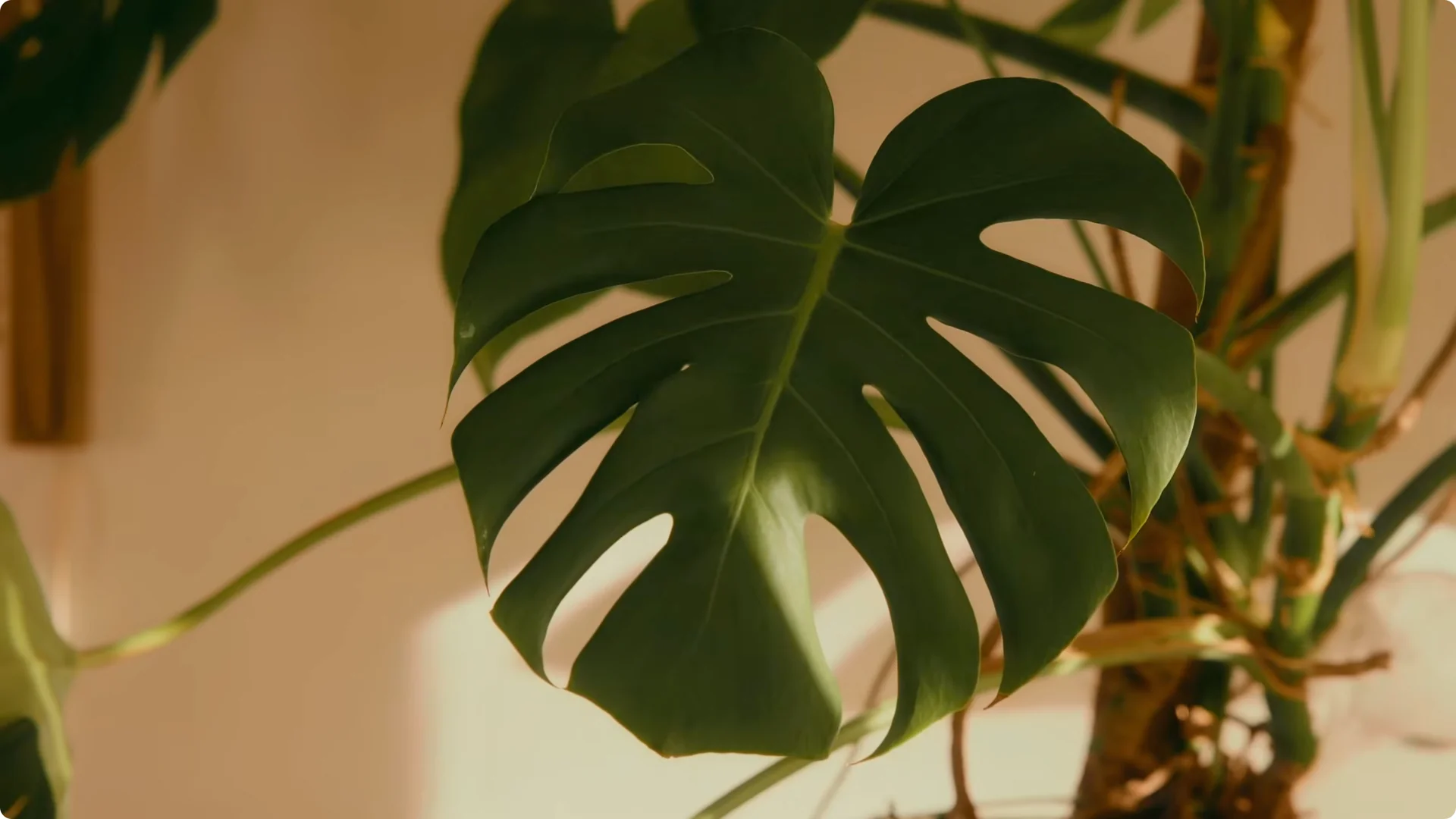
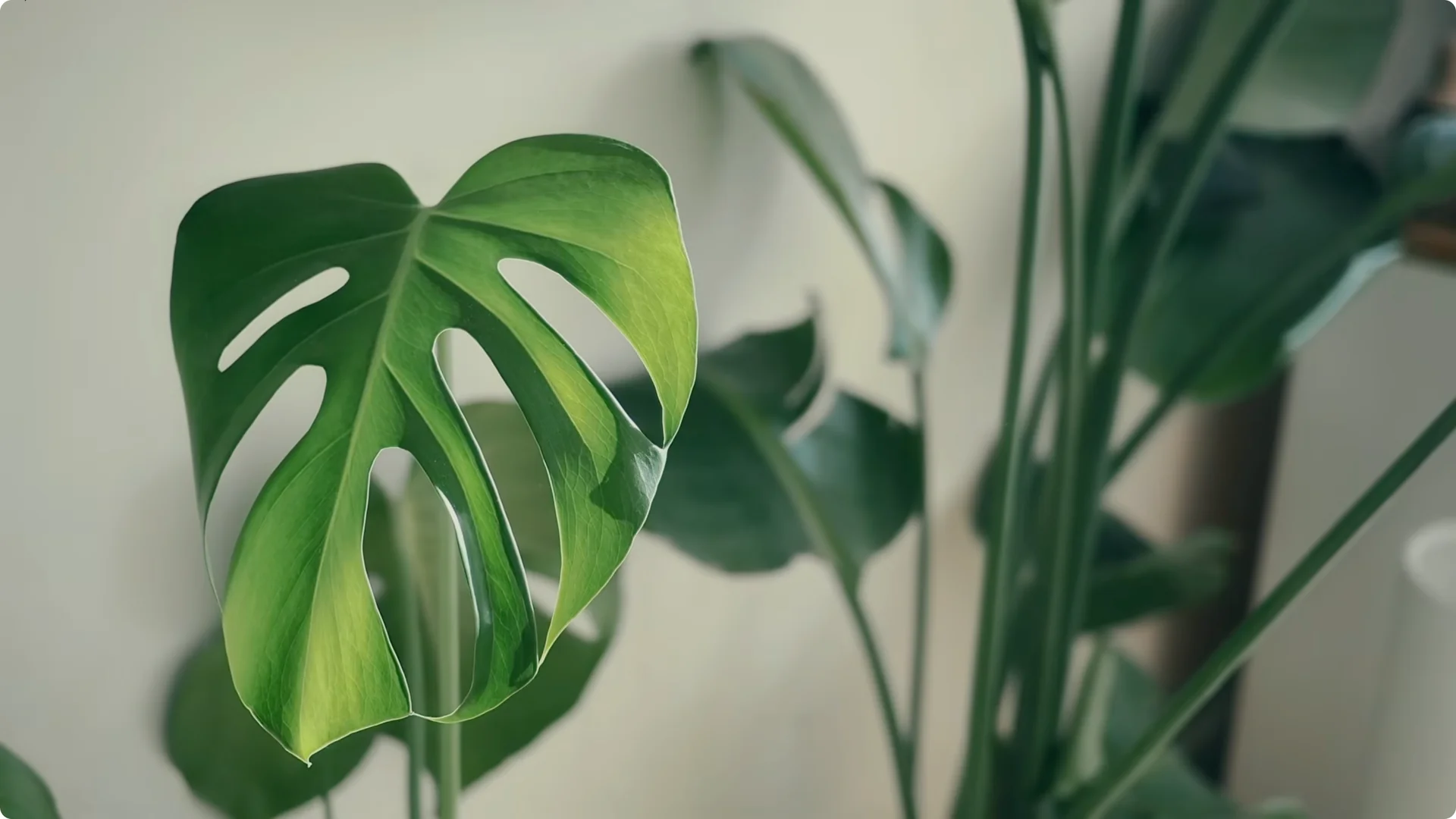
The Monstera deliciosa is more than just a plant. Its signature leaf holes, known as fenestrations, are more than natural ornamentation. They are part of a complex survival mechanism for the tropics.
In a home environment, the Monstera becomes a powerful biological tool. The secret to its efficiency lies in its aerial roots. These thick, rope like appendages act as straws, absorbing moisture from mist or humid air to help sustain its massive leaves.
Be prepared because a Monstera deliciosa is a large scale project. It can easily reach 8 to 10 ft in height, requiring sturdy support and plenty of floor space. The higher the humidity in your home, the larger and more majestic its leaves will become.
Regularly wipe its massive leaves with a damp cloth. Dust clogs the plant’s pores, preventing it from breathing effectively and absorbing moisture from the atmosphere. It prefers bright, indirect light, while direct sunlight can scorch its glossy surface.
For all its beauty, it also contains oxalates. Keep it out of reach of pets that like to chew on greenery. Clean leaves and steady humidity are your two biggest allies here.
5. Dehumidifying Houseplants: Spider Plant
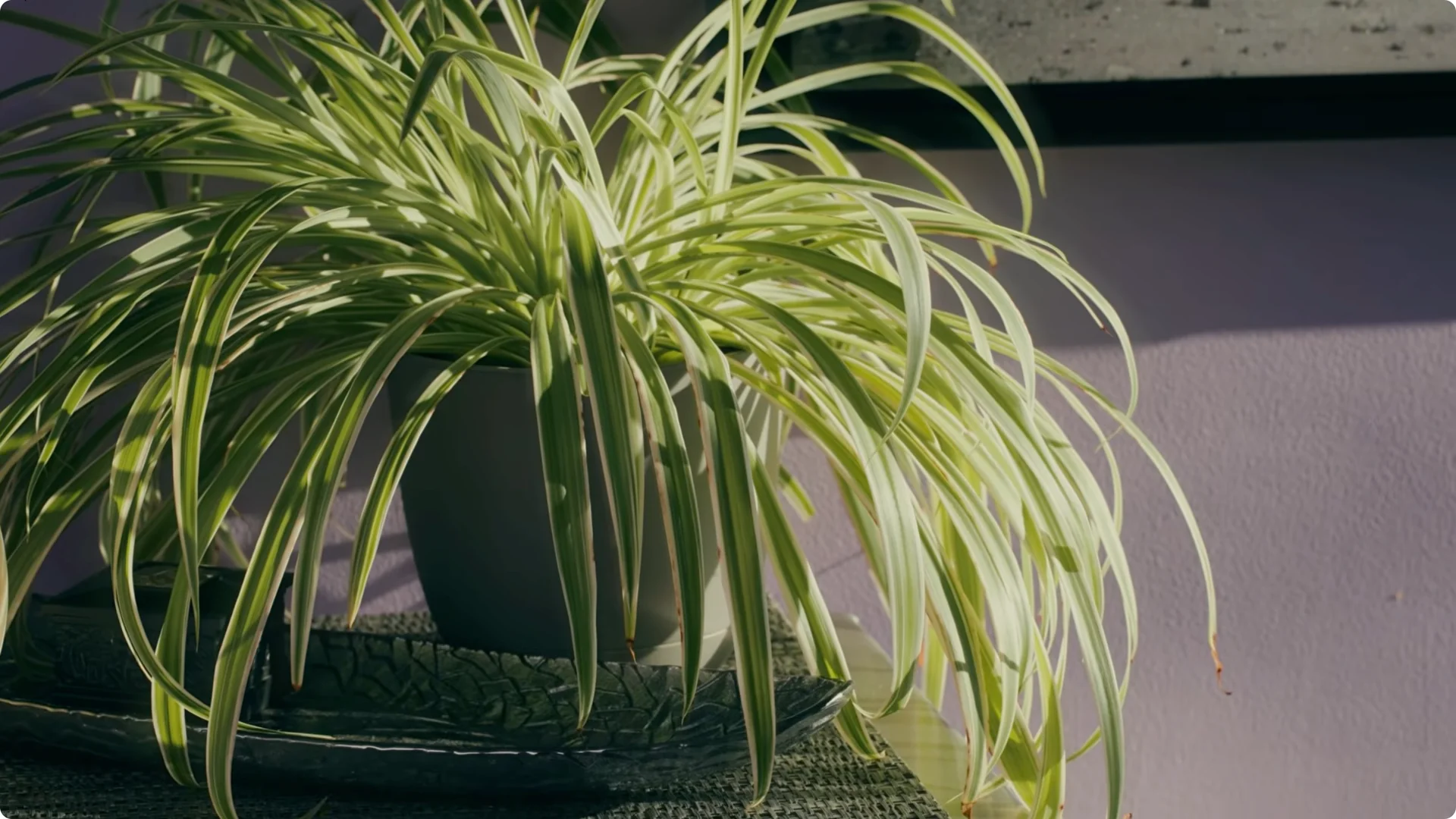
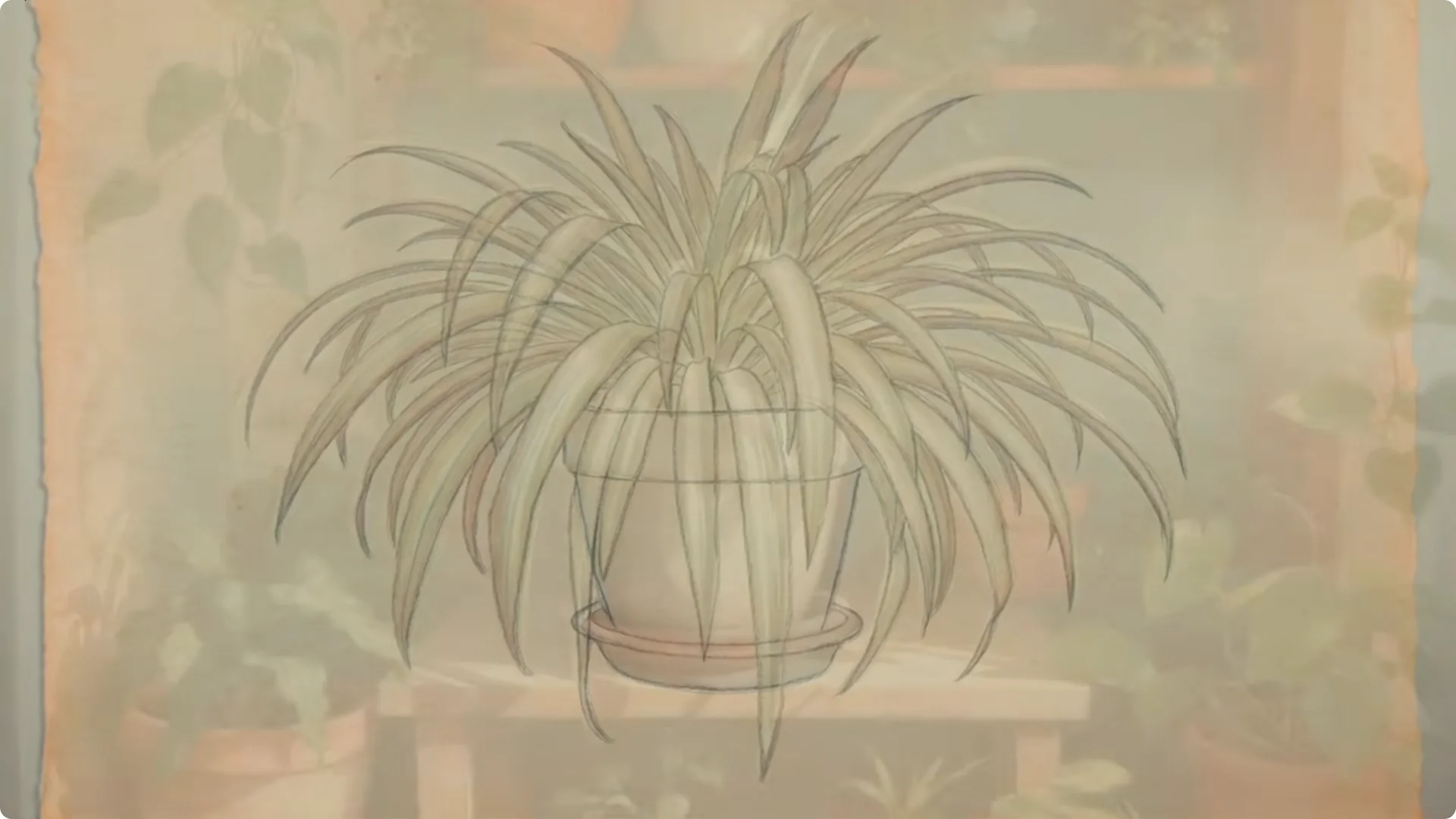
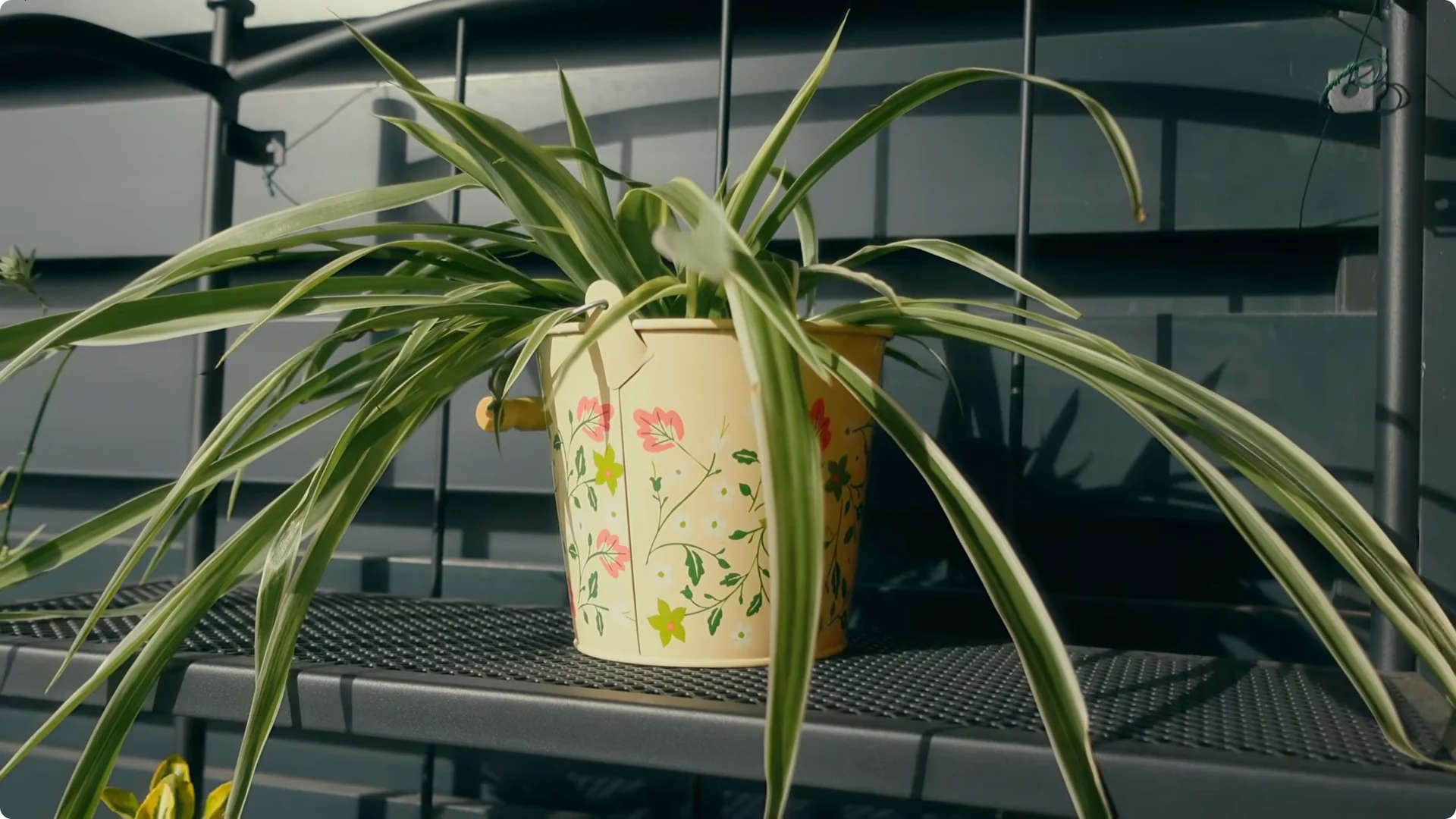
The spider plant, known as Chlorophytum, is rightfully considered one of the most beneficial plants for the home. It is often called a fountain because of the cascading shape of its narrow leaves. This plant is a champion of survival and air purification.
It does not just absorb excess moisture, it actively combats household gases and toxins that can build up in enclosed spaces. Long runners produce small rosettes or babies that add to its charm. These offsets also participate in gas exchange, increasing the plant’s overall efficiency as it grows.
Its secret weapon is thick tuberous roots that store water and nutrients. This allows the plant to withstand periods of drought if you forget to water it. It feels right at home in hanging planters in the kitchen or bathroom, where humidity is often high.
Another critical advantage is that the spider plant is completely safe for cats and dogs. Cats often show a keen interest because its leaves resemble grass. It is the perfect blend of functionality, safety, and ease of care, and pairs well with other easy choices if you prefer resilient plants. For more durable picks, explore hard to kill houseplants.
6. Dehumidifying Houseplants: Golden Pothos
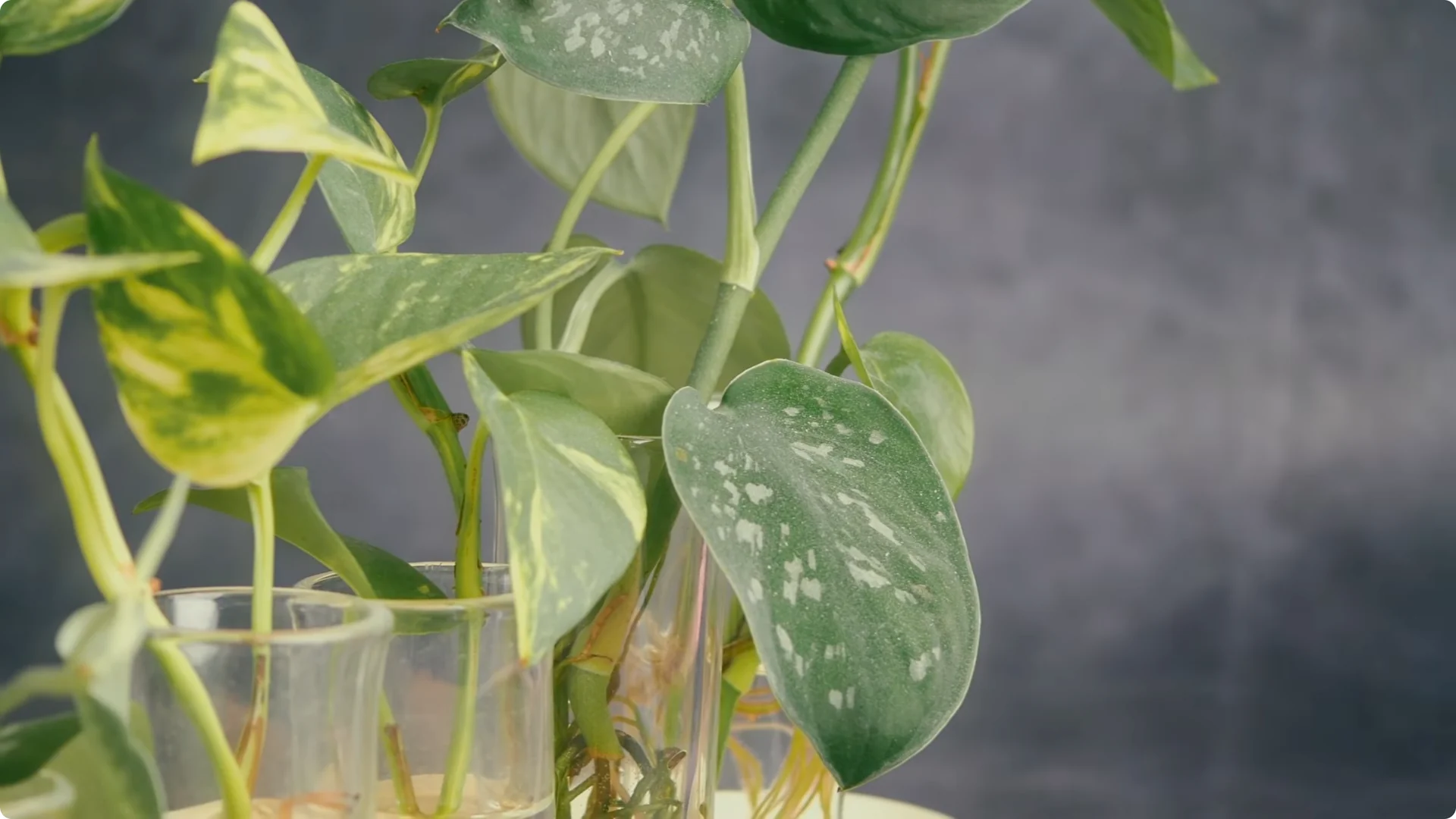
Golden pothos, frequently called the beginner’s best friend, is one of the most common houseplants. Its popularity comes from its aesthetics and its phenomenal ability to survive in spartan conditions. Pothos is a vigorous vine whose trailers can reach 10 to 15 ft indoors.
Look closely at its stems and you will notice small brown knobs. These are the beginnings of aerial roots that activate in high humidity environments like a bathroom. They begin to drink water from the surrounding air, helping the plant maintain leaf turgor even with infrequent watering.
In American culture, this plant earned the title of low light hero. It can grow for years in offices with artificial lighting where other plants would have perished. It is ideal for areas of the home where stagnant humid air collects but sunlight is scarce.
Caring for golden pothos follows a simple principle. Let it dry out, allowing the soil to dry completely between waterings. Its sap contains oxalates, so hang planters high to keep them out of reach of curious pets.
7. Dehumidifying Houseplants: English Ivy
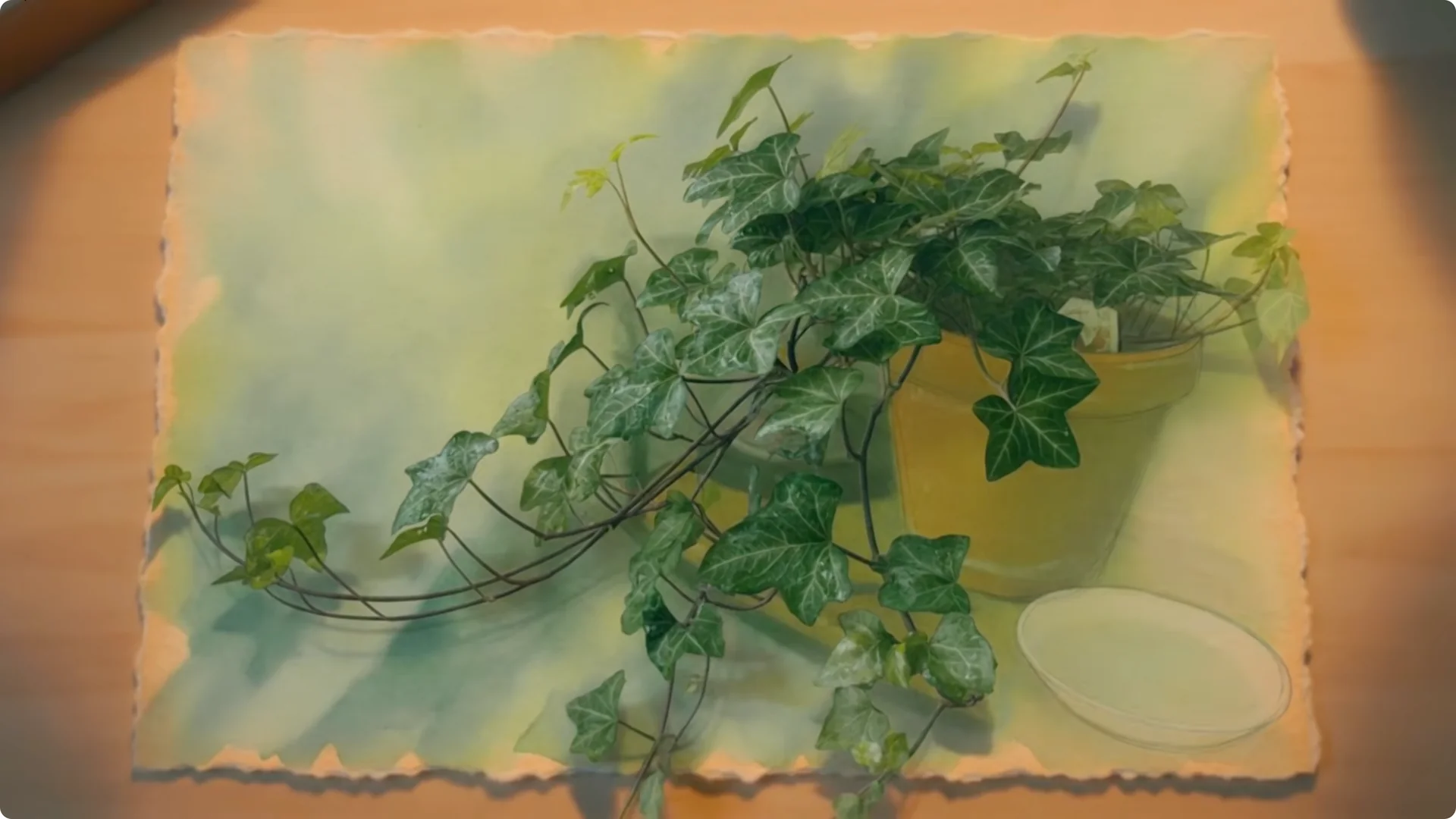
English ivy, or Hedera helix, brings the air of an old country estate to an interior. For those living in northern states or homes with poor ventilation, this ivy is a must have. Its primary superpower is the ability to function as a natural air filter.
It effectively traps microscopic particles and spores commonly found in damp spaces. This purifies and freshens the surrounding environment. The result is a more comfortable atmosphere in areas where the air feels heavy or stagnant due to excess humidity.
English ivy prefers cooler temperatures, making it ideal for unheated verandas or chilly bedroom corners. It dislikes the dry heat from radiators, which can trigger pest infestations like red spider mites. To keep the ivy thriving and absorbing moisture effectively, provide bright, indirect light and regular misting to replicate its natural habitat.
This vine is a fast grower, forming dense green cascades. Train it along a decorative trellis or allow it to trail from a wall planter. It creates a living barrier against excess humidity.
8. Dehumidifying Houseplants: Peace Lily
The peace lily, or Spathiphyllum, is one of the most elegant plants on this list. It is often dubbed a drama queen because it wilts dramatically when it lacks moisture. Once watered, it perks back up within an hour and looks vibrant again.
Its benefits extend beyond visual cues. The broad, dark green leaves are covered with numerous tiny stomata that actively absorb water vapor from the atmosphere. This helps to naturally lower indoor humidity levels.
The peace lily is as decorative as it is functional, thanks to elegant white blooms that resemble sails. Maintain a proper watering schedule to keep it performing at its peak. It is sensitive to tap water quality, particularly chlorine and minerals.
Experts recommend using distilled or filtered water to prevent brown leaf tips. For more help with this problem, see how to fix brown leaf tips. Place it in soft, indirect light, and it will reward you with beautiful blooms and a noticeable improvement in your room’s microclimate.
9. Dehumidifying Houseplants: Boston Fern
The Boston fern is a true staple of American gardening. You have likely seen these lush green fountains adorning front porches in the American South. It acts as a living humidistat, reacting to humidity levels in a home.
The Boston fern is a natural pump that constantly circulates large volumes of water through its lacy foliage. If your apartment is too humid, this fern will thrive, drawing excess moisture from the air and transforming it into magnificent new fronds. With a care difficulty rating of four out of 10, it becomes surprisingly low maintenance in damp environments.
Its primary requirement is soil that remains consistently moist but never waterlogged. The ideal location is a bathroom with a window, where steam from the shower provides the perfect habitat. Its dense canopy can reach several feet in diameter, creating a true jungle feel within a city apartment.
If the fern begins to shed its leaflets, it signals that the air has become too dry. As long as there is excess moisture in the home, the Boston fern will be your most loyal ally. Keep the soil even and the humidity steady for best results.
10. Dehumidifying Houseplants: Tillandsia
Tillandsia, or air plant, feels almost alien because it defies our standard understanding of botany. It requires no soil and in the wild anchors itself to tree branches or rock faces. Its entire life cycle centers on absorbing moisture and nutrients directly from the atmosphere.
The surface of its leaves is covered in specialized silvery scales called trichomes. These function like microscopic sponges, soaking up every drop of mist or indoor dampness. That is why air plants are so effective in humid rooms.
Tillandsias have become a hit in interior design due to their decorative versatility. They can be placed in glass terrariums, mounted on driftwood, or used to create living wall installations. Their care is unique, yet straightforward.
Weekly care steps
1. Fully submerge the plant in a bowl of water for 20 to 30 minutes once a week. This deep soak replenishes internal reserves. Use room temperature water for consistency.
2. After soaking, let the plant dry upside down. This prevents water from stagnating in the center of the rosette and reduces the risk of rot.
3. Between soakings the plant will feed on ambient moisture in your home. Bathrooms and kitchens are ideal spots. Good airflow keeps the leaves healthy and active.
Dehumidifying Houseplants: Grouping Strategy
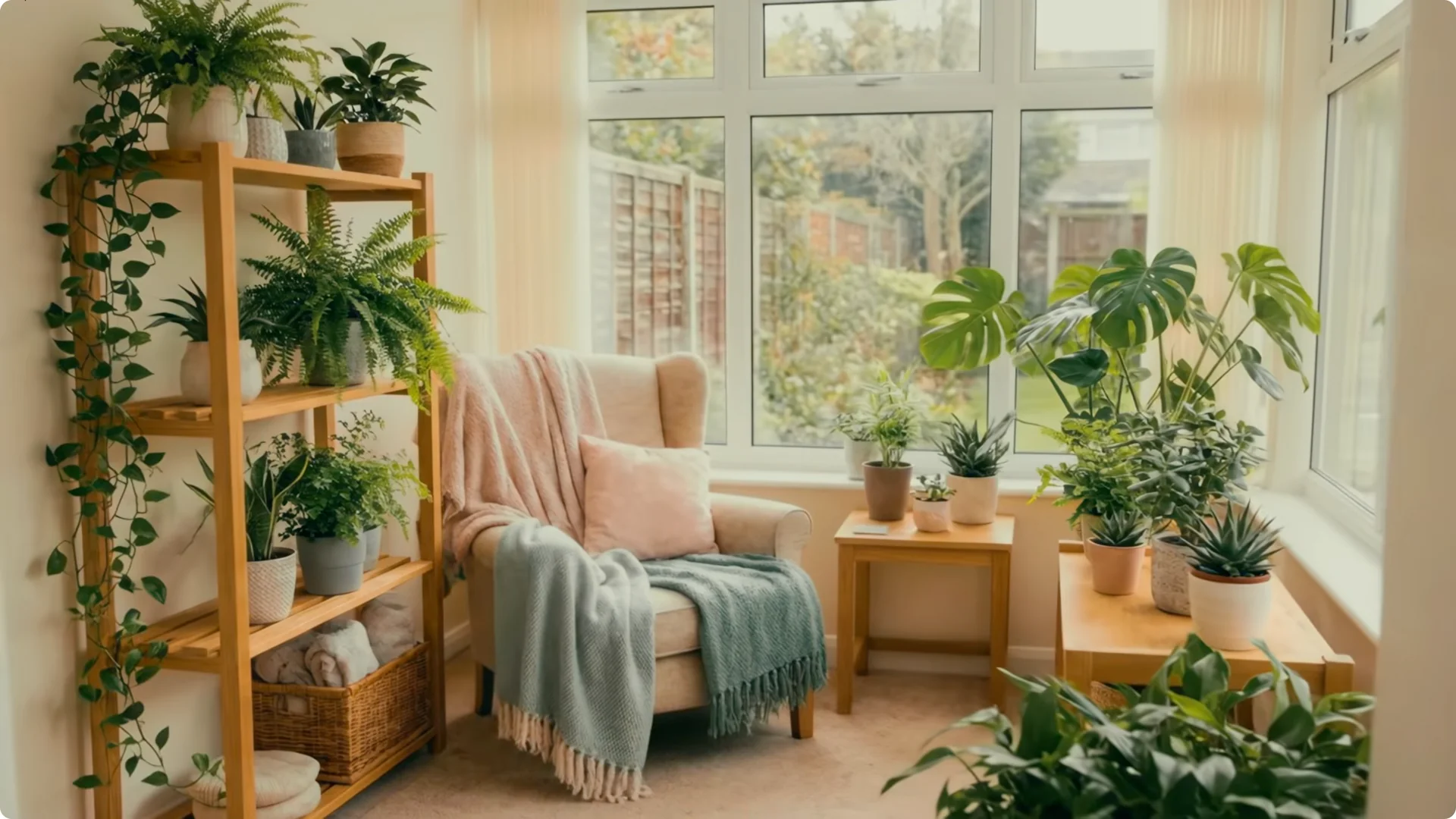
Creating a healthy indoor microclimate with plants is a comprehensive strategy. One of the most effective techniques used by professional decorators and botanists is called grouping. Place several moisture loving plants together and they create their own microclimate.
Through transpiration they begin to support one another, balancing humidity levels in that specific area. This is particularly useful in large rooms where a single small plant might get lost. Arrange plants so canopies slightly overlap without crowding the pots.
Placement by room
Distribute plants across zones where they can be most effective. In the bathroom, where humidity peaks, the Boston fern and tillandsia perform best. In the kitchen, with constant steam from cooking, pothos and syngonium are ideal helpers.
For the bedroom, consider a parlor palm or pair it with a snake plant, which works to purify the air at night. This arrangement allows each plant to fulfill its function in the environment best suited to its needs. Match light levels to each species for stable growth.
Dehumidifying Houseplants: Care Essentials
Overwatering is a common mistake. If your home already has high humidity, your plants require much less water in the soil, as they actively draw moisture from the air. Always check the soil with your finger, and ensure your planters have proper drainage holes.
Cleanliness is vital. Dust on leaves blocks the stomata through which the plant breathes and absorbs moisture. Regularly wipe down your green companions or give them a gentle shower to boost efficiency against dampness and to keep foliage glossy.
If you prefer low maintenance greenery that stands up to imperfect care, explore more resilient choices. You can find more options in this guide to hard to kill houseplants. Mix tough species with moisture managers for a balanced collection.
Final Thoughts
Plants are not merely decor pieces gathering dust on a shelf. They are a long term investment in coziness, comfort, and overall well being, working around the clock to make your home’s air cleaner and fresher. Choose the green companions that fit your rooms and routines, and let your space become a fresh urban jungle.